Hemp Kept 1,500-Year-Old Ellora Caves Intact
Scientists discovered that ancient builders mixed cannabis hemp into the plaster of India's Ellora Caves, creating a preservation recipe that kept the UNESCO World Heritage Site pristine for 1,500 years. The finding could revolutionize how we build sustainable, durable structures today.
Ancient Indian builders knew something about construction that modern architects are only now rediscovering: hemp makes buildings last for centuries.
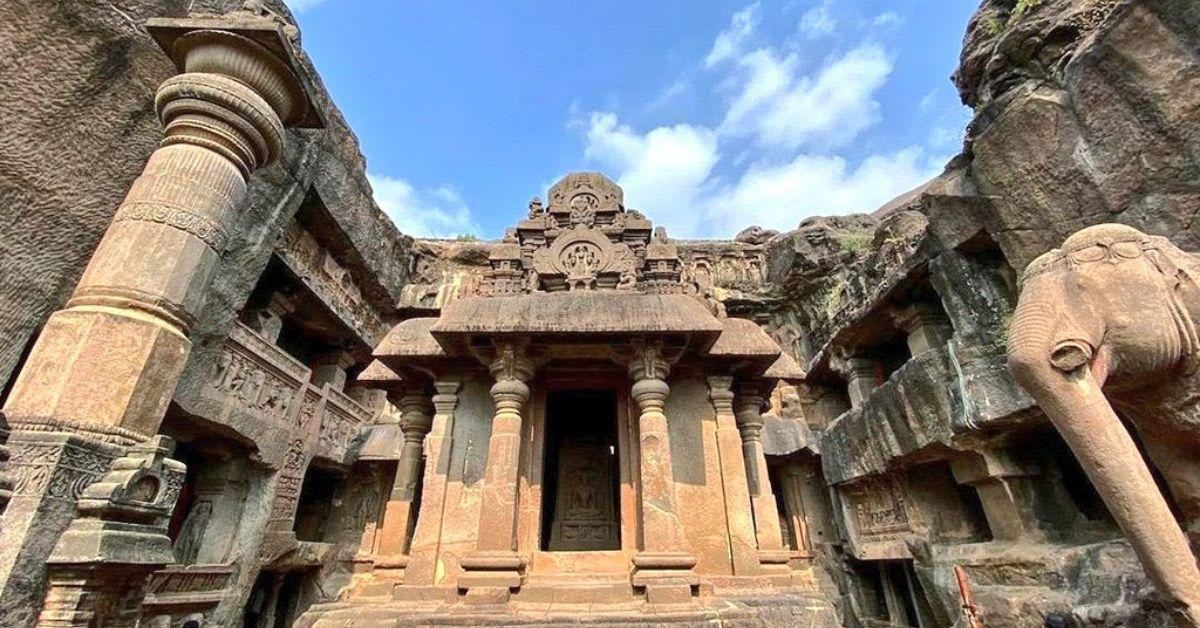
Scientists Rajdeo Singh and Milind M Sardesai cracked a 1,500-year-old mystery when they analyzed the walls of the Ellora Caves near Mumbai. These magnificent rock-cut temples and monasteries have remained remarkably intact while neighboring caves crumbled and decayed.
The secret? A 10 percent mixture of cannabis hemp fibers blended with clay and lime plaster.
The researchers used electron microscopes and infrared spectroscopy to examine samples from the caves. They compared these with cannabis samples from different regions of India and found a perfect match.
The hemp plaster created multiple protective benefits. It repelled insects completely, which explains why Ellora shows no signs of bug damage while nearby Ajanta caves suffer from insect activity. The material also stores heat naturally, resists fire, and absorbs 90 percent of airborne sound.
"The cannabis fiber appears to have a better quality and durability than other fibers," Sardesai explained. The plant's natural gum and sticky properties helped create an incredibly strong binder when mixed with clay and lime.
This discovery isn't just about ancient history. As architects worldwide search for sustainable building materials, hemp emerges as a proven solution with centuries of testing behind it. The plant grows quickly, requires minimal water, and creates buildings that regulate temperature naturally while blocking sound.
Why This Inspires
This research proves that sustainable solutions aren't always about inventing something new. Sometimes the best answers come from looking backward at what worked brilliantly for our ancestors.
India has started recognizing hemp's potential again. Uttarakhand became the first state to permit commercial cultivation of industrial hemp, and the country now allows hemp products containing less than 0.3 percent THC (the psychoactive compound).
The distinction matters: hemp and marijuana come from the same plant species but differ dramatically in their THC content. Hemp won't get anyone high, but it can create buildings that last millennia.
The Ellora findings open conversations about bringing hemp-based construction materials back into modern building codes. If a simple mixture could preserve intricate cave paintings and sculptures for 1,500 years, imagine what today's engineers could achieve with similar materials and modern techniques.
Ancient wisdom meets modern sustainability in the most unexpected place: a cave wall that refused to crumble.
More Images
%2Fenglish-betterindia%2Fmedia%2Fpost_attachments%2Fuploads%2F2023%2F03%2FELLORA-CAVES-1678520809.jpg)

%2Fenglish-betterindia%2Fmedia%2Fpost_attachments%2Fuploads%2F2023%2F03%2FAnyConv.com__FJW5wfcaUAEY8dz_11zon-1678520374.jpg)
Based on reporting by The Better India
This story was written by BrightWire based on verified news reports.
Spread the positivity!
Share this good news with someone who needs it