Henry Moore Sculptures Join Wakehurst's Living Collection
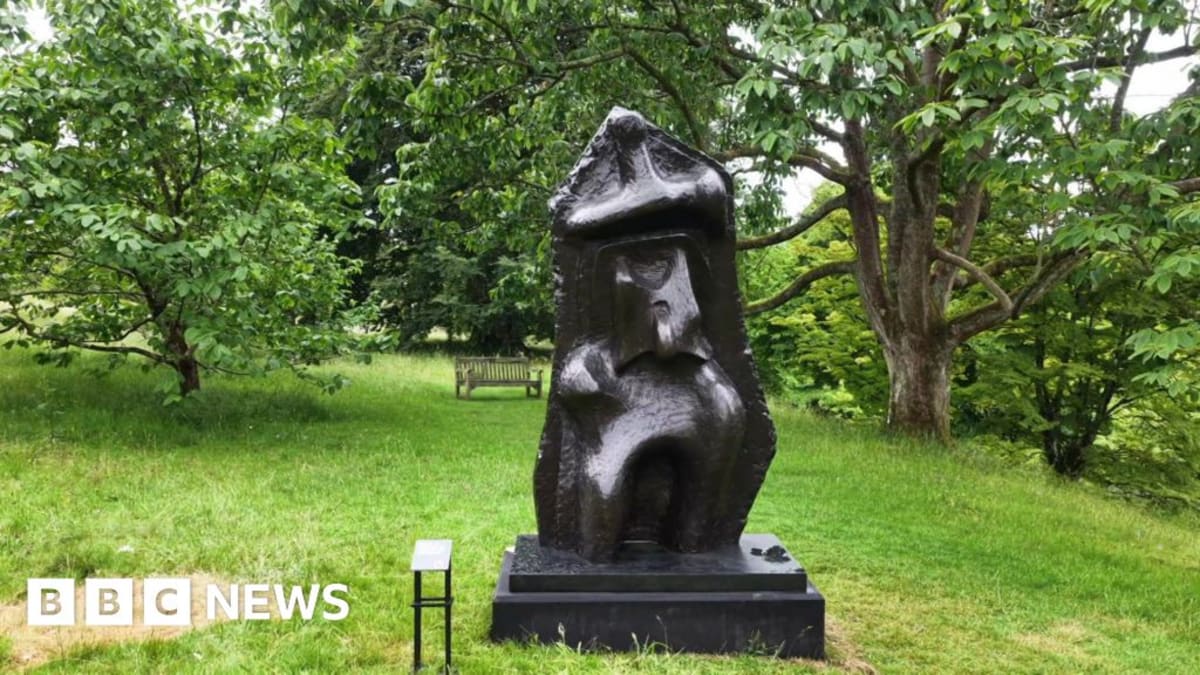
One of Britain's most celebrated sculptors is getting a new outdoor gallery at a West Sussex botanical garden. Four Henry Moore works will nestle among the living collections at Wakehurst through September, bridging art and conservation in a display that highlights our connection to the natural world.
When your mission is protecting nature, what better way to celebrate it than with art inspired by its forms?
Wakehurst, a wild botanic garden in West Sussex, unveils four sculptures by Henry Moore this Friday. The pieces will remain on display through September 27, joining newly commissioned works from contemporary artists connected to the Henry Moore Institute.
Moore created over 1,100 sculptures during his lifetime, drawing constant inspiration from bones, stones, trees, and landscapes. His organic forms seem to grow from the earth itself, making botanical gardens a natural home for his work.
Eva Owen, Wakehurst's programme manager, says the sculptures "evoke the themes of care, protection and conservation." Those same values drive Wakehurst's daily work, from managing diverse habitats to operating the Millennium Seed Bank, which safeguards plant diversity for future generations.
The display runs parallel to a similar exhibition at Kew Gardens, which opened on May 9. Together, the twin installations offer visitors across two major botanical sites a chance to see Moore's legacy through a fresh lens.
Why This Inspires
Art and conservation rarely intersect so beautifully. Moore's sculptures don't just sit in nature; they seem to emerge from it, shaped by the same forces that carved river stones and weathered ancient trees.
Sebastiano Barassi, head of Henry Moore collections and programmes, notes that themes of nature, humanity, and environment "feel more urgent and relevant than ever." By placing Moore's work in living landscapes, Wakehurst creates a conversation between human creativity and natural beauty.
The timing matters too. As botanical gardens worldwide work to protect endangered species and threatened ecosystems, these sculptures remind visitors why that work deserves our care. Moore saw nature as both muse and teacher, and his organic forms reflect the interconnection between all living things.
For the thousands who will walk Wakehurst's paths this summer, Moore's sculptures offer a moment to pause and consider our place in the natural world. That's exactly the kind of reflection our planet needs more of right now.
More Images
Based on reporting by BBC Science
This story was written by BrightWire based on verified news reports.
Spread the positivity!
Share this good news with someone who needs it