Hidden Cappadocia: New Underground Spaces Found in Turkey
Archaeologists in Turkey's Cappadocia region just uncovered more ancient underground spaces carved into volcanic rock, revealing how communities lived and thrived beneath the surface for thousands of years. The rescue excavations at Göreme Open-Air Museum are helping experts piece together the daily lives of civilizations that called these hidden chambers home.
Beneath one of Turkey's most stunning landscapes, archaeologists are uncovering secrets that have been hiding in plain sight for millennia.
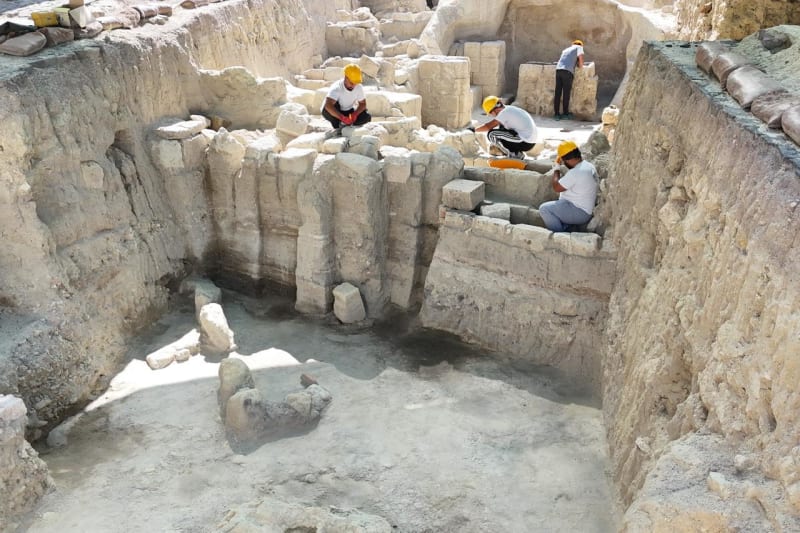
At Cappadocia's Göreme Open-Air Museum, careful rescue excavations are revealing previously unknown underground rock-cut spaces that show how ancient people adapted to changing times. The newly discovered chambers carved into soft volcanic rock offer fresh glimpses into daily life across multiple civilizations.
Cappadocia Area Director Aydin Cem Aslanbay inspected the dig site alongside museum officials who explained how each discovery strengthens understanding of the region's 25,000-square-kilometer underground world. The exposed structures demonstrate how communities carved entire living areas into volcanic tuff, the soft rock formed from ancient ash that makes up much of Cappadocia's landscape.
These weren't just simple caves. The underground settlements featured complex networks of corridors and chambers connected through hidden passages that extended from surface houses, designed for both everyday living and protection during dangerous periods.
Cappadocia contains an estimated 150 to 200 underground settlements of varying sizes, though the true number may be much higher. While larger complexes functioned as entire underground cities, smaller ones served as underground villages where people took shelter during conflicts.
Historical evidence traces intensive use of these spaces back to the Byzantine era between the 5th and 10th centuries, when Christian communities carved deeper into the rock to escape regional conflicts. Residents expanded rooms, added defensive traps, and created narrow passages that could be sealed off when enemies approached.
Why This Inspires
These discoveries remind us that humans have always found creative ways to survive and thrive against difficult odds. The same ingenuity that led ancient communities to carve entire cities beneath the earth continues today through the archaeologists and conservationists working to preserve this heritage for future generations.
As a UNESCO World Heritage site, Cappadocia's underground world receives careful protection through scientific documentation and sustainable tourism planning. Museum Director Gokhan Maskar emphasized that every finding undergoes proper conservation procedures to ensure these cultural treasures remain intact.
"These findings, which carry the traces of civilizations, present new information about Cappadocia's past," Aslanbay said. Each archaeological study reveals the region's cultural memory more strongly, connecting us to the resourceful people who built hidden worlds beneath their feet.
The ongoing excavations prove that even well-studied historical sites still hold surprises waiting to be discovered.
Based on reporting by Google: archaeological discovery
This story was written by BrightWire based on verified news reports.
Spread the positivity!
Share this good news with someone who needs it