Hidden Teeth Rewrite 300-Million-Year Octopus History
A fossil once thought to be the world's oldest octopus turned out to be something completely different after scientists found tiny teeth hidden inside. The discovery rewrites octopus history and reveals the oldest nautiloid soft tissue ever found.
Scientists just solved a 26-year-old mystery by discovering that the "world's oldest octopus" was never an octopus at all.
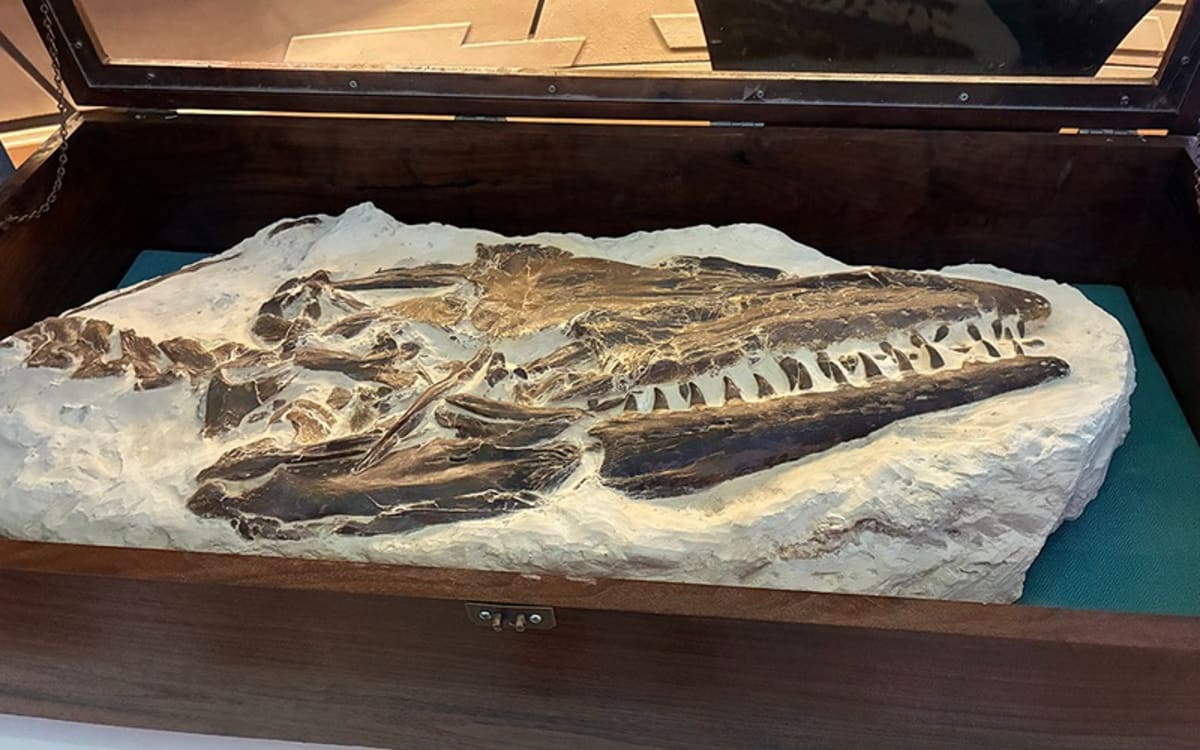
Using cutting-edge synchrotron imaging technology, researchers scanned a 300-million-year-old fossil from Illinois and found tiny teeth hidden deep inside the rock. Those teeth told a completely different story than anyone expected.
The fossil, called Pohlsepia mazonensis, was first discovered in the Mazon Creek fossil beds near Morris, Illinois. When scientists analyzed it in 2000, they thought they'd found an octopus with eight arms and fins, pushing octopus history back 150 million years.
But other scientists had doubts for years. They just didn't have the technology to prove their hunches until now.
The breakthrough came when researchers used synchrotron imaging, which works like a forensic examination using high-intensity light beams to see beneath surfaces invisible to the naked eye. Inside the fossil, they found a radula, a ribbon-like feeding organ with rows of teeth found only in molluscs.
The teeth pattern gave it away. The fossil showed 11 tooth-like elements per row, while octopuses have seven or nine.
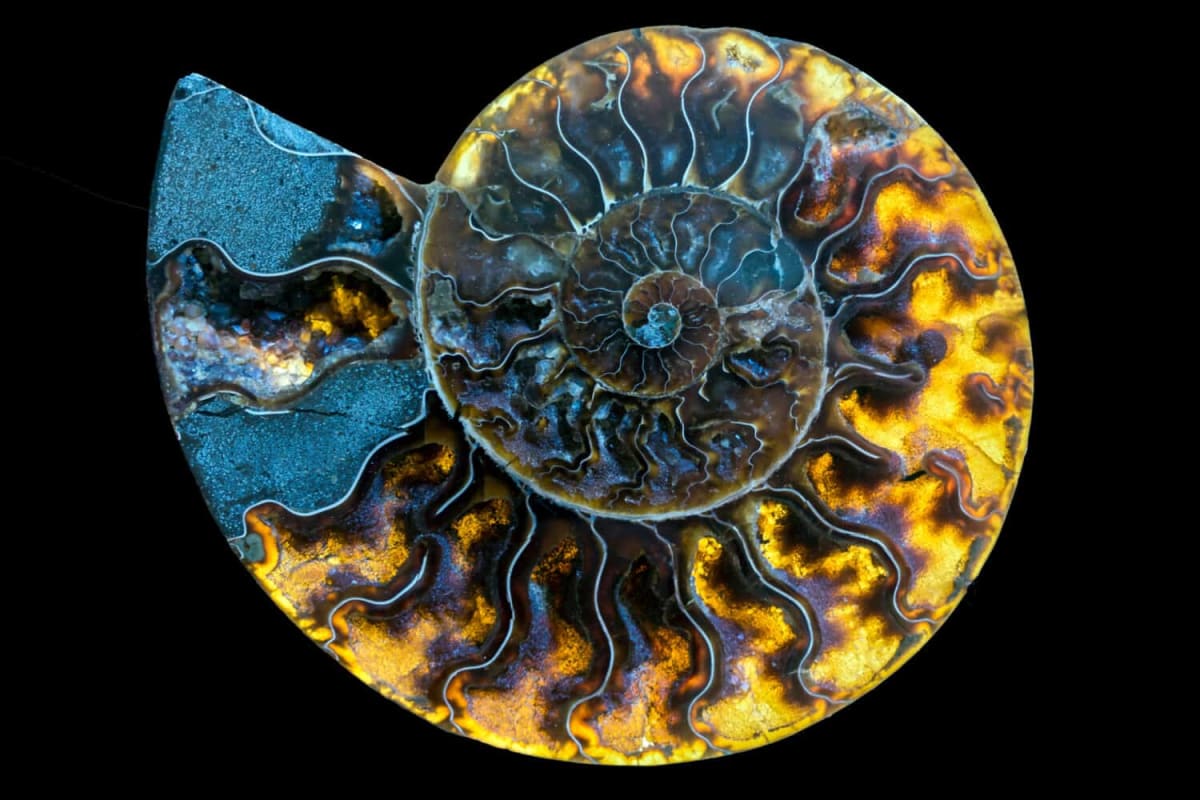
Instead, the teeth matched those of Paleocadmus pohli, a nautiloid relative of the modern nautilus. The creature had decomposed for weeks before fossilization, making it look eerily similar to an octopus when it was actually something else entirely.
Why This Inspires
This discovery shows how persistence and new technology can unlock secrets hidden for millions of years. Dr. Thomas Clements, lead author from the University of Reading, called it "amazing to think a row of tiny hidden teeth, hidden in the rock for 300 million years, have fundamentally changed what we know about when and how octopuses evolved."
The revised findings mean octopuses appeared much later than previously thought, during the Jurassic period rather than 300 million years ago. This reinforces scientific understanding that octopuses and squids split during the Mesozoic era.
And the fossil isn't worthless because it's not an octopus. It now represents the oldest known nautiloid soft tissue in the fossil record, beating the previous record by 220 million years.
Dr. Clements summed it up perfectly: "Sometimes, reexamining controversial fossils with new techniques reveals tiny clues that lead to really exciting discoveries."
More Images

Based on reporting by Google News - Science
This story was written by BrightWire based on verified news reports.
Spread the positivity!
Share this good news with someone who needs it