High Altitude Lowers Diabetes Risk, Scientists Find Why
Scientists discovered why people living at high altitudes have lower diabetes rates. Red blood cells in low-oxygen environments consume more glucose to help oxygen reach tissues.
People living in the mountains may have stumbled upon nature's diabetes defense, and scientists just figured out how it works.
Researchers have long noticed that populations in high-altitude regions like the Andes and Himalayas develop diabetes at lower rates than people living at sea level. A new study in mice reveals the surprising reason: red blood cells act like unexpected glucose regulators when oxygen is scarce.
The research team at the Gladstone Institutes and UC San Francisco exposed mice to chambers with 8% oxygen, mimicking high-altitude air. After several weeks, these mice cleared glucose from their blood much faster than mice in normal oxygen conditions. The effect lasted for weeks, even after returning to normal air.
Here's where it gets interesting. The researchers couldn't account for where all the disappearing glucose was going at first. Scans showed that major organs like the liver and muscles weren't absorbing the extra sugar.
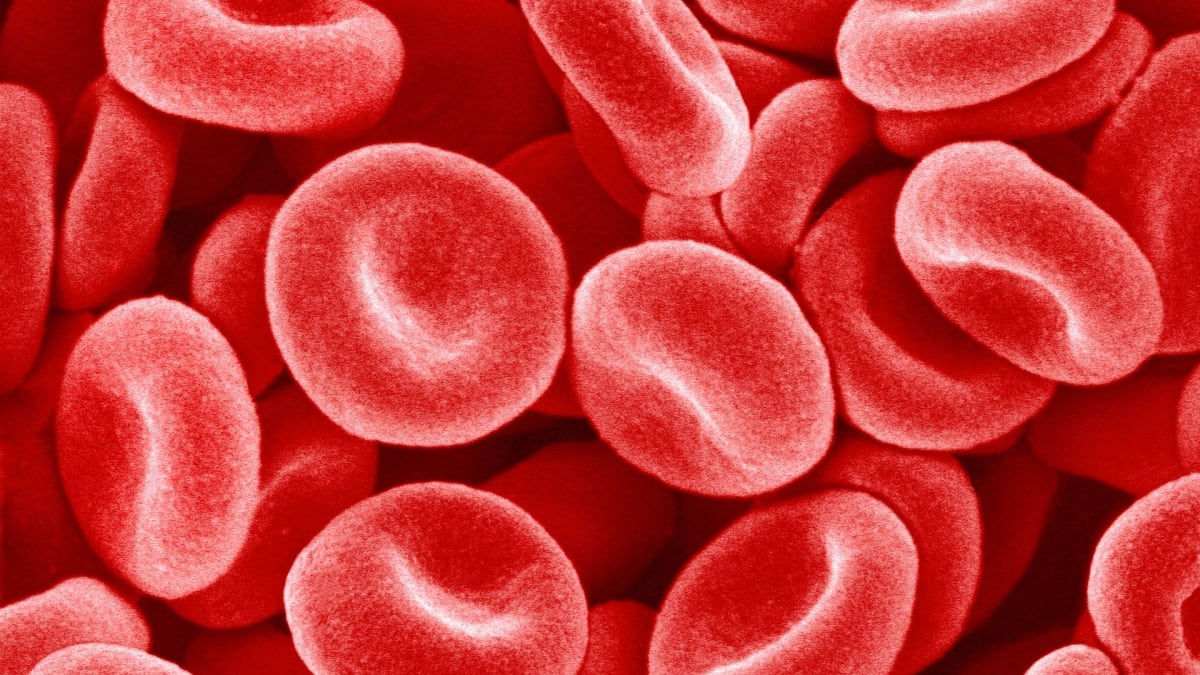
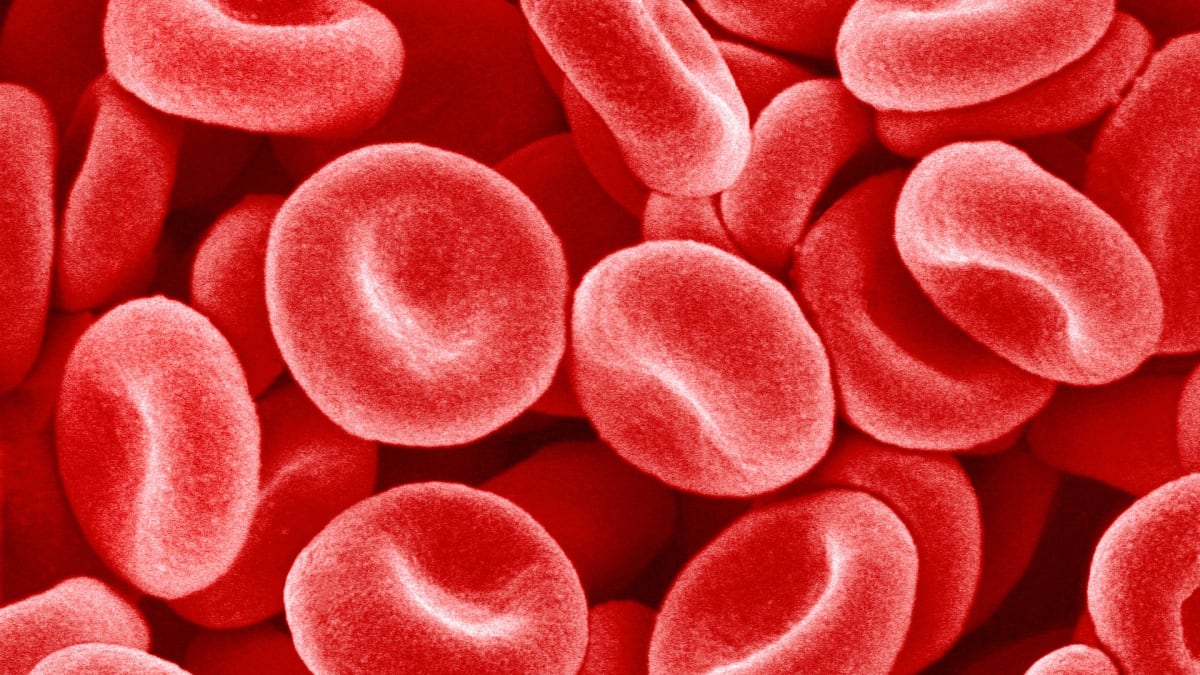
The answer turned out to be floating right in front of them. Red blood cells in the oxygen-deprived mice were soaking up about three times more glucose than normal red blood cells. They were converting that glucose into a compound that helps hemoglobin release oxygen more easily into tissues.
The team confirmed their discovery by manipulating red blood cell numbers directly. When they removed blood from oxygen-deprived mice to keep their red blood cell count normal, the glucose-lowering effect disappeared. When they transfused red blood cells into mice breathing normal air, blood sugar dropped.
Red blood cells produced in low-oxygen conditions also contained about twice as much GLUT1, a protein that helps glucose enter cells. Only the new cells produced under low-oxygen conditions showed these adaptations, not the existing ones.
Why This Inspires
This discovery opens doors for people who can't exactly move to the mountains. Researchers are already developing drugs in early stages that could potentially mimic this pathway, offering hope for the 537 million adults worldwide living with diabetes.
The study shows how our bodies have remarkable built-in systems we're only beginning to understand. What started as an observation about mountain populations has revealed a sophisticated glucose regulation system hiding in plain sight, flowing through our veins with every heartbeat.
Nature has been running this experiment for thousands of years in high-altitude communities, and science is finally catching up with a potential solution that could help millions manage their blood sugar better.
More Images



Based on reporting by Google News - Health
This story was written by BrightWire based on verified news reports.
Spread the positivity!
Share this good news with someone who needs it