High Schooler Leads Lab Creating Jell-O Brains for TBI
A Virginia high school senior is first author on groundbreaking research using hydrogel "brain phantoms" to measure traumatic brain injury forces without animal testing. The lab's artificial rat brains, made from materials similar to Jell-O, could revolutionize how researchers study concussions and brain trauma.
A high school student just became the lead researcher on a project that could change how we understand brain injuries forever.
Sanaya Bothra, a senior at Maggie L. Walker Governor's School in Virginia, noticed something missing in traumatic brain injury research. While scientists understood the medical effects of concussions and TBIs affecting millions of Americans yearly, nobody had a good way to measure how much force actually reaches the brain during impacts.
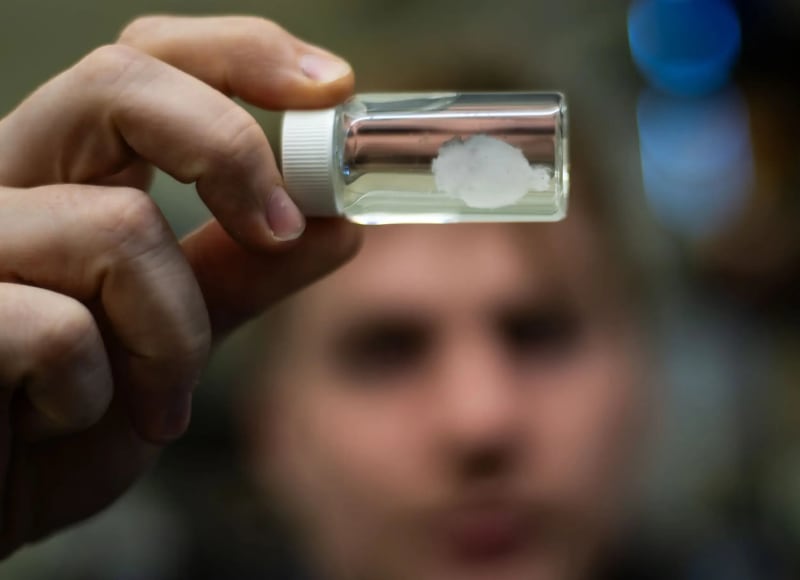
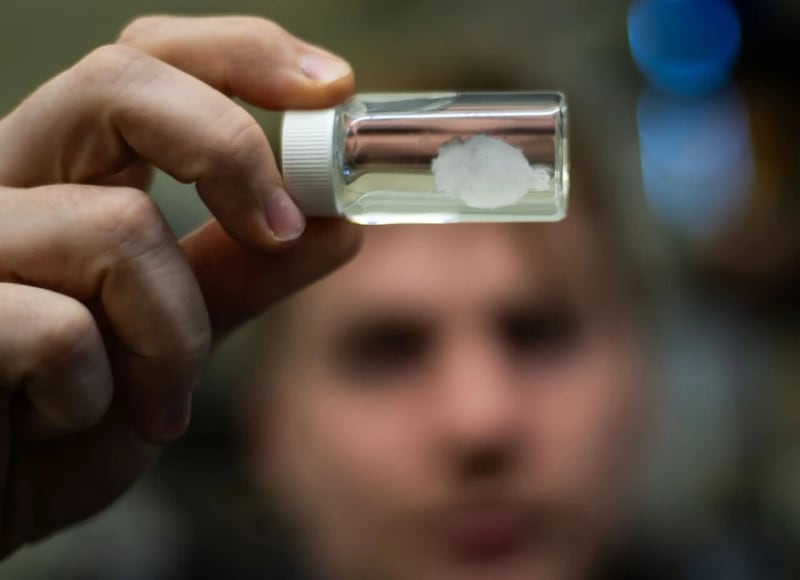
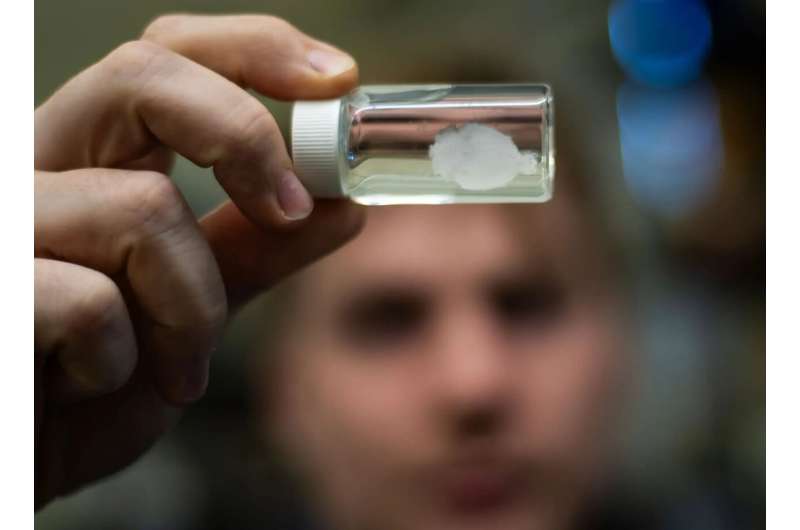
Working in Virginia Commonwealth University's engineering lab since 2023, Bothra led a team creating artificial rat brains from hydrogel, a polymer material found in beauty products and, yes, Jell-O. These "brain phantoms" replicate the physical squishiness and texture of real brains without using any animals.
The process sounds almost culinary. Researchers pour liquid hydrogel into 3D-printed plastic molds, just like pouring Jell-O into grandma's aluminum molds. Through a careful freeze-thaw process, they build up different brain regions with varying thickness and elasticity, matching how real brains feel.
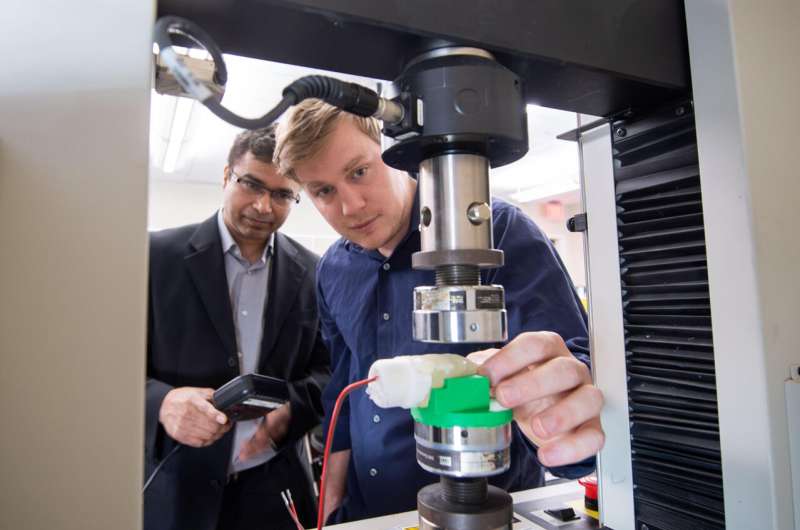
The breakthrough comes from tiny embedded sensors that convert physical pressure into electrical signals. When the artificial brain experiences a simulated car crash or explosion impact, researchers can read exactly how much force reached different brain areas.
Professor Ravi Hadimani, who leads the lab, explained the practical advantages. Creating human-sized brain models requires expensive materials and time, while rat brains are quicker and cheaper to produce. More importantly, these phantoms could help other researchers move away from using live lab animals in their experiments.
The team isn't stopping at lab benches. They've partnered with Ram Rocketry to launch a rat brain model embedded with an accelerometer in a rocket during a national competition in March. The experiment will measure how g-forces affect brains during extreme acceleration.
The Ripple Effect
This research opens doors far beyond measuring car crash impacts. The artificial brains could help design better helmets for athletes, improve safety standards for military equipment, and advance treatments for blast injuries. Other research labs could access affordable, ethical alternatives to animal testing while getting more precise measurements than ever before.
The lab has already patented their technology through a startup called Realistic Anatomical Model Phantoms and plans to scale up next, creating full-sized human brain models for TBI research.
A high school student seeing a gap in science and filling it with innovative thinking proves that breakthrough discoveries don't require decades of experience, just curiosity and determination.
More Images
Based on reporting by Medical Xpress
This story was written by BrightWire based on verified news reports.
Spread the positivity!
Share this good news with someone who needs it