Higher Buprenorphine Doses Keep Patients in Treatment Longer
A groundbreaking study of 5,000 patients in Philadelphia shows that higher doses of buprenorphine help people with opioid use disorder stay in treatment twice as long. The FDA just updated its guidelines to support these findings, opening doors to better care.
People struggling with opioid addiction are finding hope through a simple change: higher doses of the medication that helps them recover.
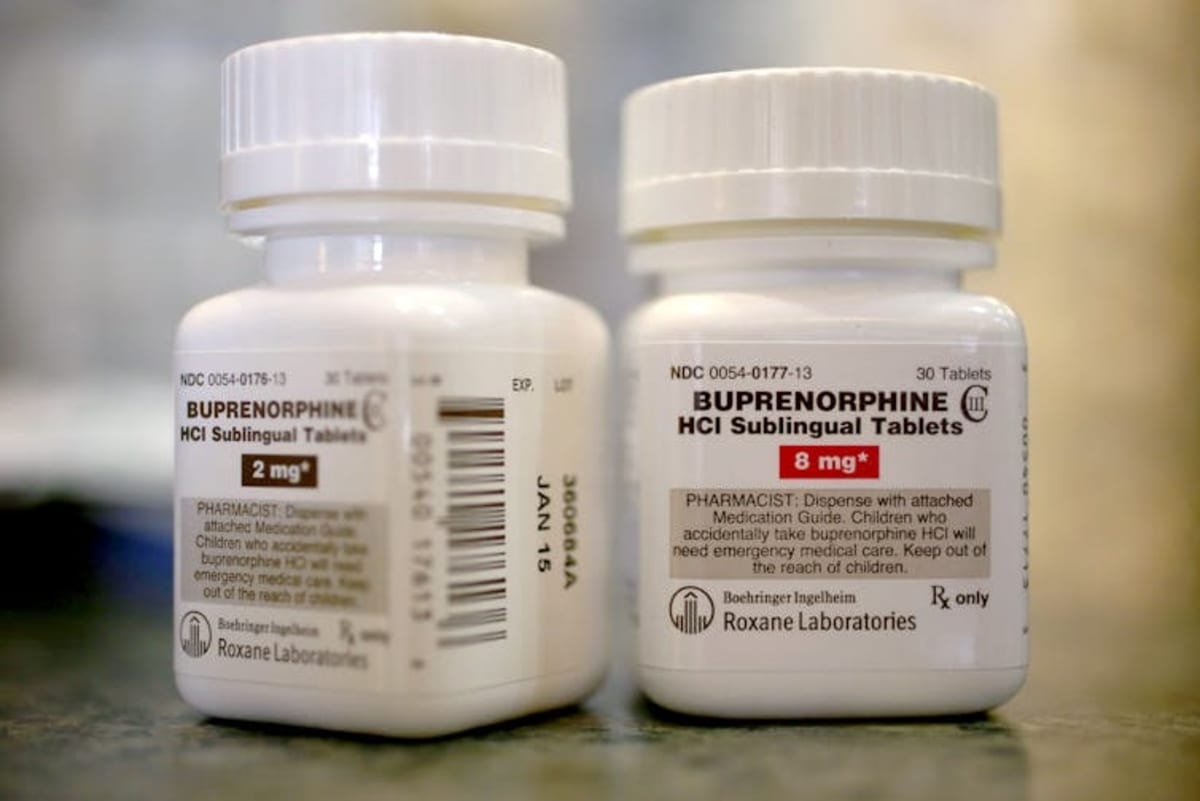
Researchers at the University of Pennsylvania studied 5,000 adults in Philadelphia receiving buprenorphine treatment for opioid use disorder. They discovered something powerful: patients taking 17 to 24 milligrams daily stayed in treatment for an average of 190 days, compared to just 90 days for those on lower doses of 8 milligrams or less.
This matters because staying in treatment saves lives. Buprenorphine works differently than most opioids by preventing withdrawal and cravings without causing a high, which dramatically reduces overdose risk.
The timing couldn't be better. Philadelphia and cities across America are facing a street drug supply contaminated with fentanyl and dangerous animal tranquilizers like xylazine. These powerful substances make recovery harder, which means patients often need higher medication doses to stabilize their symptoms and avoid relapse.
In December 2024, the FDA responded by updating its official guidelines. The agency removed outdated language suggesting 16 milligrams was a maximum dose and now acknowledges that doses over 24 milligrams "may be appropriate for some patients." This change gives doctors the green light to prescribe what their patients actually need.
The study also revealed an important disparity that's now being addressed. Black patients were less likely to receive the higher doses that help people stay in treatment longer. Community Behavioral Health, Philadelphia's Medicaid organization, is tackling this gap head-on through education at faith-based conferences and forums bringing together prescribers, pharmacists, and patients.
Patients with chronic pain conditions like arthritis were more likely to receive higher doses, suggesting doctors are learning to tailor treatment to individual needs.
The Ripple Effect
This research is changing how insurers, doctors, and community organizations approach addiction treatment. When one city identifies what works and shares those findings, other communities can follow. The updated FDA guidelines mean millions of Americans now have access to more effective treatment options.
Education programs are spreading through Philadelphia's faith communities, reaching people who might have felt stigmatized seeking help. Focus groups are listening to patient experiences, turning their insights into better care strategies.
Better dosing means people stay in treatment longer, which means fewer overdoses, more families staying together, and more people reclaiming their lives. Each patient who succeeds becomes a beacon of hope for someone else still struggling.
The research proves what many clinicians suspected: there's no one-size-fits-all approach to recovery. As America's drug supply changes, treatment protocols are finally catching up to match what patients actually need.
This study transforms abstract policy into real human impact, showing that small adjustments in medical care can double someone's time in recovery and dramatically improve their chances of building a healthy future.
More Images
Based on reporting by Google News - New Treatment
This story was written by BrightWire based on verified news reports.
Spread the positivity!
Share this good news with someone who needs it