Historian Uncovers Lost Story of 1819 Massacre Survivor
After 200 years, researchers have pieced together the remarkable story of William Cheatham, who survived a brutal cavalry attack in 1819 and fought for justice all the way to Parliament. His forgotten battle for accountability reveals how ordinary people fought for the democratic rights we often take for granted today.
A working-class weaver's fight for justice has finally been brought to light more than two centuries after he survived one of Britain's bloodiest protests.
William Cheatham traveled from Bolton to Manchester on August 16, 1819, joining 60,000 people peacefully demanding voting rights and political representation. British Army troops charged into the crowd at St Peter's Field, killing 18 people and injuring up to 700 in what became known as the Peterloo Massacre.
As Cheatham fled through a narrow passage, a cavalry trumpeter nicknamed the "Butcher of Waterloo" slashed his neck with a sabre, leaving a three-inch gash. He survived, but what happened next makes his story extraordinary.
Instead of accepting what happened, Cheatham spent years pursuing his attacker through the courts. When authorities failed to prosecute the man who nearly killed him, he took his case to Parliament itself, where his petition was read aloud in the House of Commons.
Despite compelling evidence and political support, his campaign for compensation ultimately failed. But his determination to challenge power and demand accountability became part of Britain's long march toward democracy.
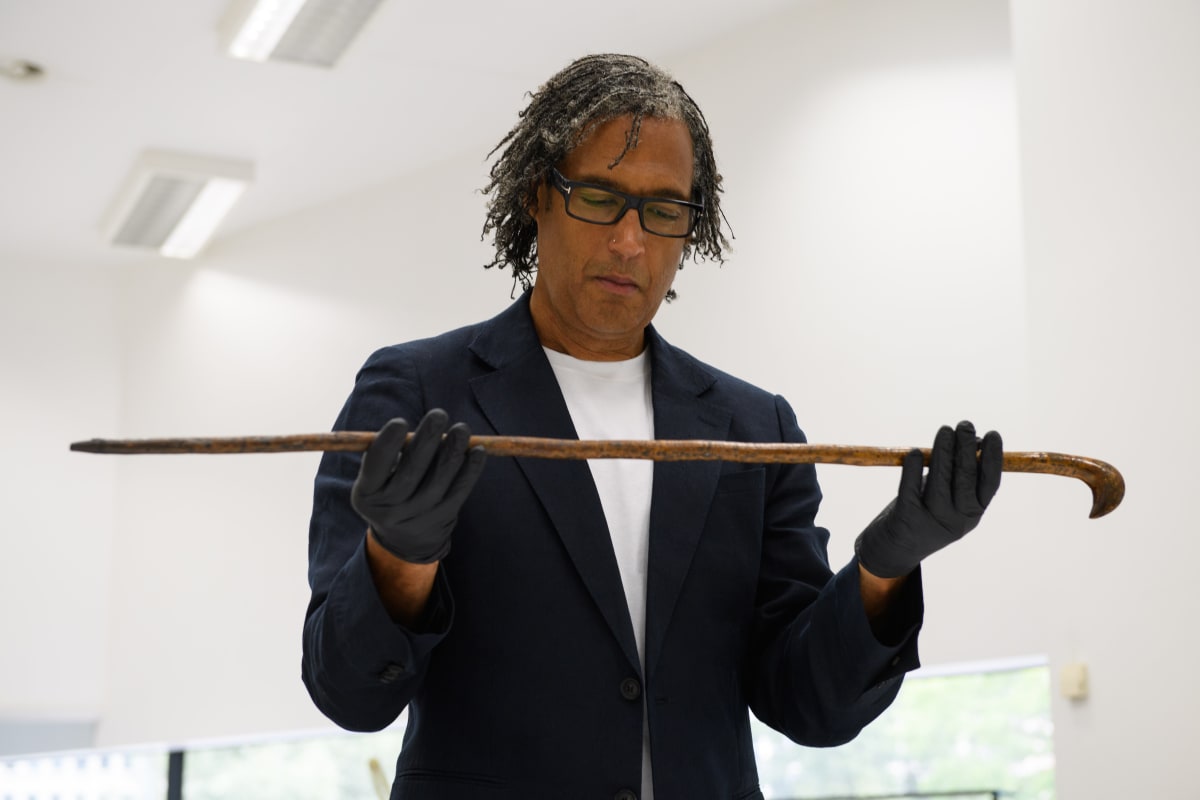
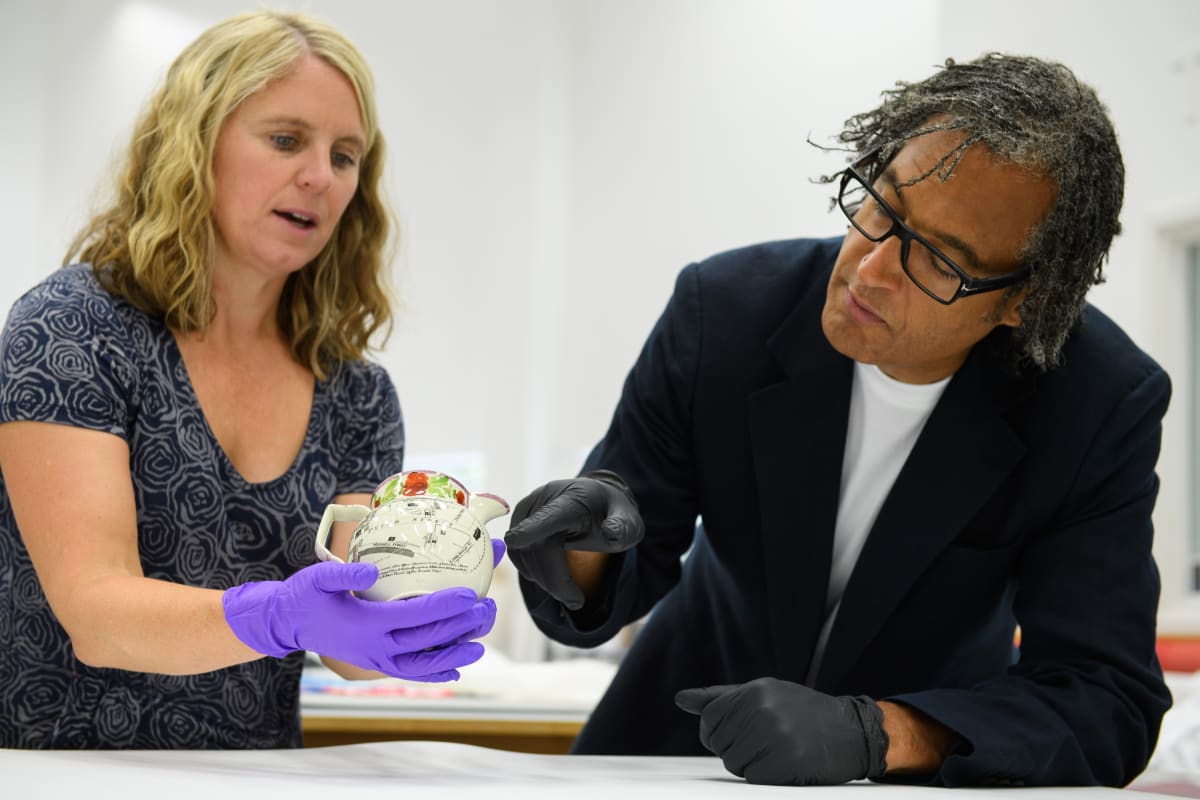
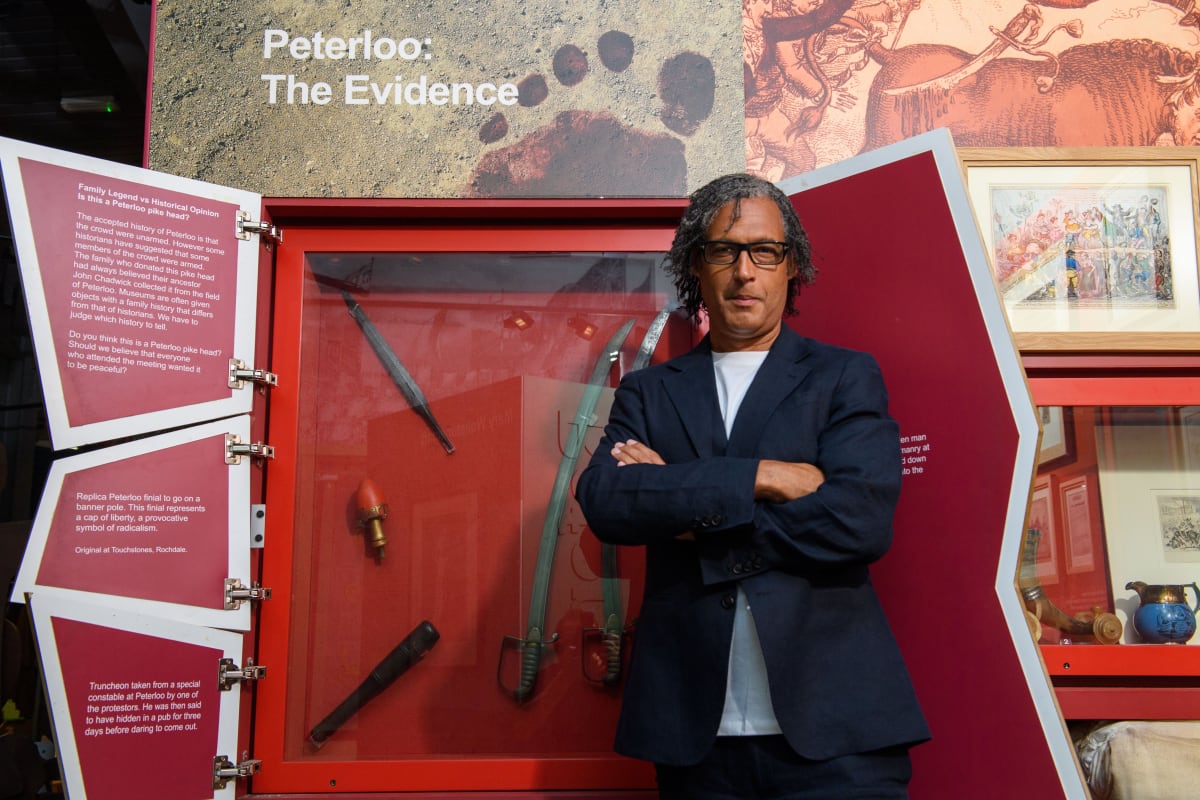
Historian David Olusoga discovered Cheatham's story through new research in historical newspaper archives. He's now sharing it in a four-part podcast series created with genealogist Jen Baldwin and the family history website Findmypast.
Why This Inspires
Cheatham wasn't a famous politician or wealthy reformer. He was an ordinary veteran and weaver whose name nearly vanished from history entirely.
His story reminds us that democratic rights didn't arrive as gifts from powerful leaders. They were won by regular people who refused to stay silent, even when the system failed them again and again.
"It's a striking reminder that many of today's democratic rights were won through the experiences of ordinary citizens whose names history has all but forgotten," Baldwin said. The rights we exercise today, from voting to peaceful protest, exist because people like Cheatham demanded them.
The People's History Museum in Manchester, which holds the country's largest Peterloo collection, partnered on the research. Museum director Jenny Mabbott notes that history becomes most powerful when it illuminates the experiences of ordinary people whose actions shaped our world.
Cheatham's voice may have been silenced in his own time, but it's finally being heard now.
More Images
Based on reporting by Google: survivor story
This story was written by BrightWire based on verified news reports.
Spread the positivity!
Share this good news with someone who needs it