Historic Ocean Protection Treaty Now in Effect Worldwide
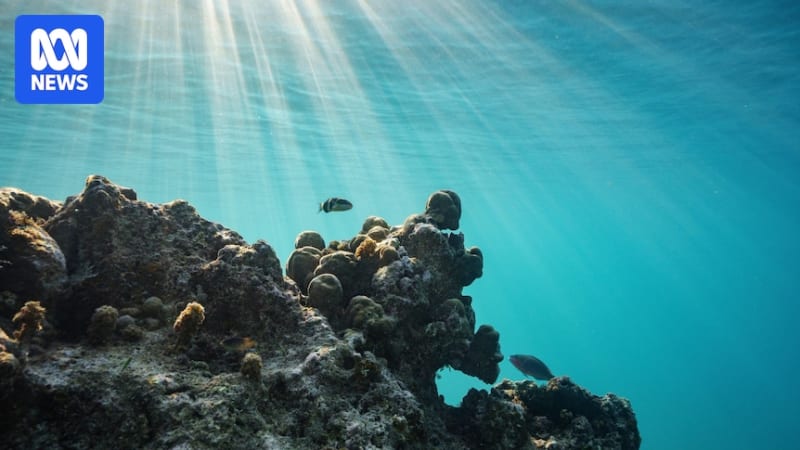
After nearly 20 years of negotiations, the world's first legally binding treaty to protect ocean life in international waters just became law. The High Seas Treaty now governs two-thirds of the planet's oceans, opening the door for countries to create vast new marine sanctuaries.
The world just took its biggest step yet to protect the ocean's most vulnerable waters.
On January 17, the High Seas Treaty officially became international law, giving legal protection to marine life across two-thirds of our planet's oceans for the first time in history. These vast international waters, which lie beyond any single country's borders, have been like the wild west for decades with no real rules or accountability.
The treaty reached this milestone just 120 days after 60 countries ratified it in September. Today, 83 nations have signed on, including major maritime powers China and Japan who joined in December.
Eliza Northrop, director of the UNSW Centre for Sustainable Development Reform, called it a turning point. "I think it really shows that countries do want to cooperate, they do see the value of working together in this area," she told ABC Australia.
Right now, only about 1 percent of international waters have any protection. These areas face serious threats from destructive fishing, plastic pollution, shipping traffic, and the looming possibility of deep sea mining, all made worse by climate change.
The ocean does more than just provide fish and beautiful coastlines. It absorbs carbon dioxide, produces oxygen, serves as highways for migrating whales and fish, and harbors organisms that scientists use to develop new medicines.
Under the new treaty, countries must now conduct environmental impact assessments before any activities that could harm marine life. They're also required to share ocean research, help developing nations participate in ocean governance, and work together on marine science and technology.
Countries can start proposing Marine Protected Areas immediately. Potential sites already under discussion include the Emperor Seamounts in the North Pacific, the Sargasso Sea in the Atlantic, and the Salas y Gómez and Nazca Ridges off South America.
The treaty's first major meeting will happen within a year to work out crucial details like budgets, enforcement methods, and committee structures. Nations are exploring satellite technology, coordinated patrols, and partnerships with other UN agencies to monitor these vast protected zones.
The Ripple Effect
Pacific island nations led the charge, with Kiribati, Fiji, Palau, Tuvalu, and the Solomon Islands already ratifying the agreement. Their leadership shows how even small nations can drive global change when ocean health affects everyone.
While major countries like Australia, New Zealand, the United States, and the UK have signed but not yet ratified the treaty, international law still requires them to act in good faith with its objectives. They can observe the process but won't have voting rights until they fully commit.
Rebecca Hubbard from the High Seas Alliance noted that the rest of the world has shown "broad and strong political support" for the treaty, keeping momentum strong even as some nations work through their ratification processes.
After nearly two decades of negotiations, the oceans finally have a fighting chance.
More Images


Based on reporting by ABC Australia
This story was written by BrightWire based on verified news reports.
Spread the positivity!
Share this good news with someone who needs it