HIV Drug Resistance Actually Weakens the Virus
Scientists discovered that when HIV develops resistance to the breakthrough drug lenacapavir, the virus becomes significantly weaker and struggles to survive. This finding shows the medication is working even better than expected.
A twice-yearly HIV medication is proving even more powerful than scientists hoped, with new research showing that drug resistance comes at a massive cost to the virus itself.
Lenacapavir, first approved in 2022, has been called "the next best thing" to an HIV vaccine by the World Health Organization. The injectable treatment works by disrupting the protective shell around the virus, preventing it from copying itself and spreading through the body.
Researchers analyzing patient samples from major clinical trials discovered something remarkable. When the virus mutates to resist lenacapavir, it becomes dramatically weaker. These drug-resistant versions can lose up to 87% of their ability to replicate and spread compared to the original virus.
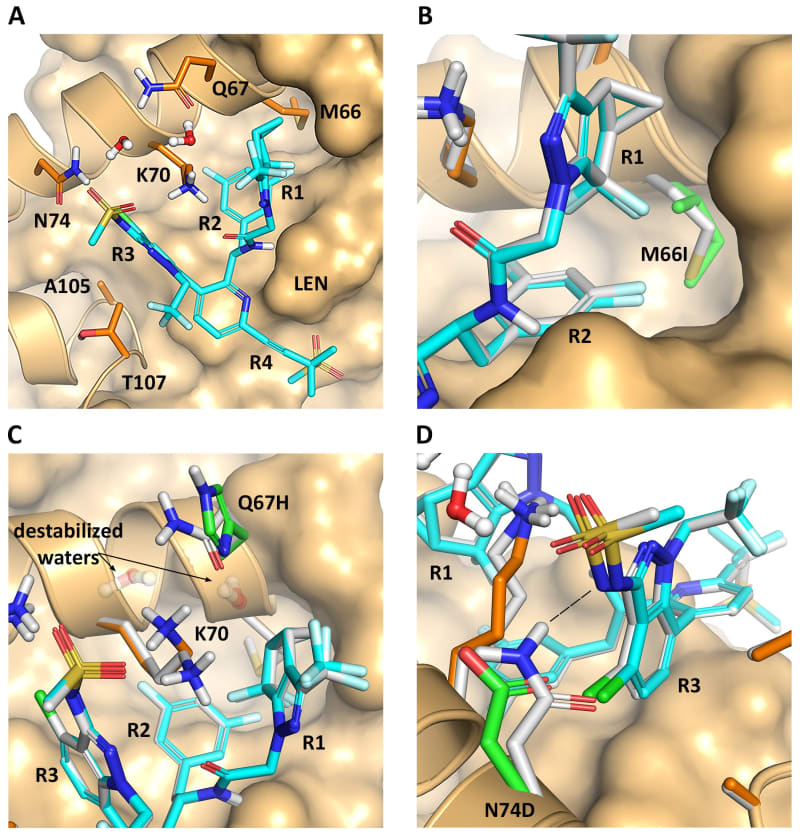
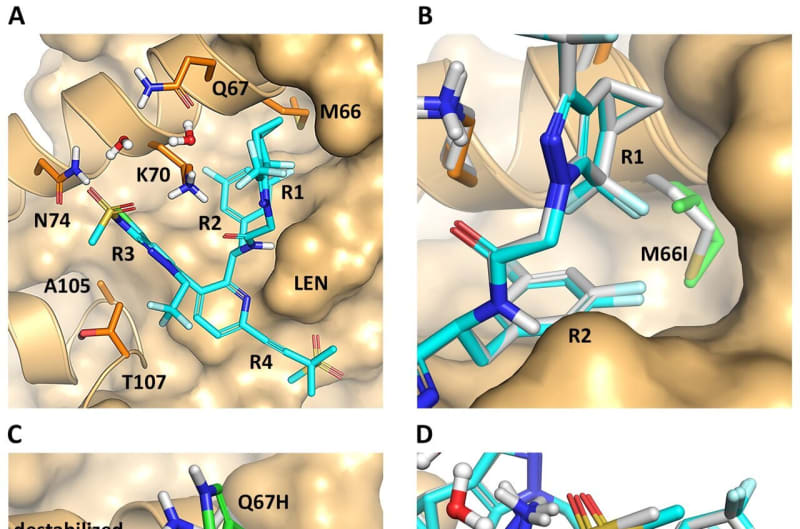
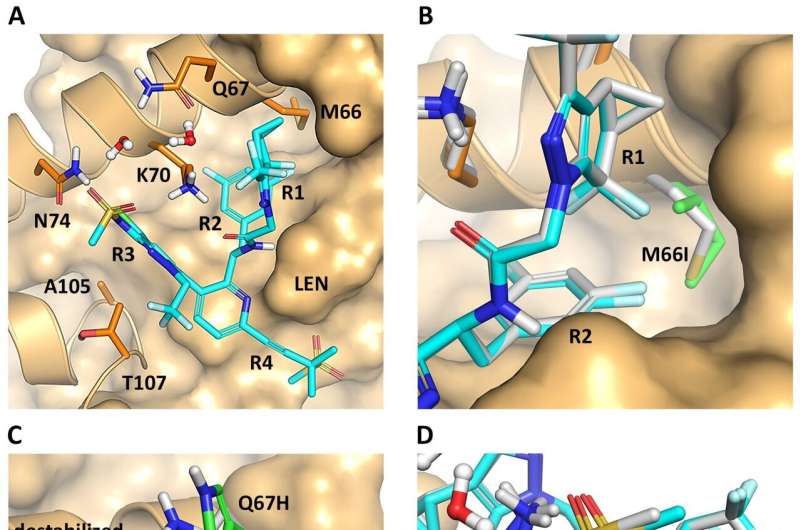
The most common resistance mutation, called M66I, changes the shape of the pocket where lenacapavir normally binds. This lets the virus escape the drug's grip, but it's like breaking a key off in a lock. The virus survives but becomes crippled in the process.
Scientists used advanced computer modeling to understand exactly how this works. The mutations that help HIV evade lenacapavir also disrupt crucial structures the virus needs to function properly. In some cases, the drug's effectiveness drops by more than 2,500-fold, but the virus pays an even steeper price for its survival.
The Bright Side
This discovery means lenacapavir is creating a win-win situation. If the virus doesn't develop resistance, the drug stops it completely. If it does mutate to escape, it becomes so weak that other HIV medications can easily finish the job.
The findings support combining lenacapavir with other treatments to create an unbeatable defense. When one drug forces the virus into a weakened state, companion medications can eliminate it before it recovers.
The research also gives scientists a roadmap for designing even better treatments. By understanding exactly how resistance mutations work, they can create next-generation drugs that fit the viral capsid pocket even more securely.
Sometimes the virus develops additional mutations trying to regain its strength, but even these secondary changes never restore it to full power. The virus simply can't have both resistance and vitality at the same time.
For the millions living with HIV worldwide, this research confirms that science is winning the long battle against a virus that has claimed countless lives since the 1980s.
More Images
Based on reporting by Medical Xpress
This story was written by BrightWire based on verified news reports.
Spread the positivity!
Share this good news with someone who needs it