HIV Drug Resistance Comes With a Catch for the Virus
Scientists discovered that when HIV develops resistance to the groundbreaking drug lenacapavir, the virus loses its ability to spread effectively. This finding offers hope that the twice-yearly injection can remain a powerful tool in preventing and treating HIV.
A revolutionary HIV drug is proving even smarter than scientists hoped, and the discovery could change how we fight the virus for decades to come.
Lenacapavir made headlines as Science magazine's 2024 Breakthrough of the Year for good reason. The medication requires just two injections annually to prevent or treat HIV, transforming what used to demand daily pills into a twice-yearly doctor's visit.
Now researchers at Gilead Sciences have uncovered something remarkable. When HIV mutates to resist lenacapavir, those resistant strains become weaker and struggle to replicate. It's like the virus has to choose between surviving the drug or surviving at all.
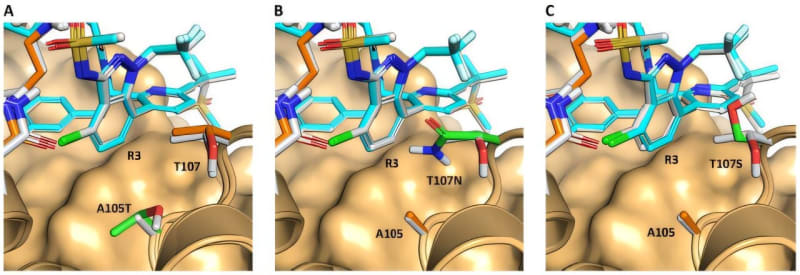
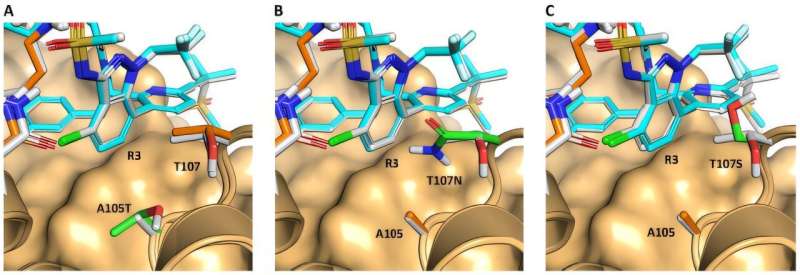
Dr. Nina Pennetzdorfer and her team spent years studying 84 different HIV mutations to understand how the virus might escape lenacapavir. What they found was encouraging: the mutations that provided the strongest resistance also crippled the virus's ability to spread.
The secret lies in lenacapavir's unique target. Unlike older HIV drugs that attack viral enzymes, lenacapavir targets the capsid, the protective shell surrounding the virus's genetic material. This shell acts like a molecular tank, helping HIV break into cells and evade the immune system.
When mutations change the capsid to block lenacapavir, they also damage the very structure the virus needs to function. The most resistant viruses became the worst at replicating, meaning they'd likely lose out to regular HIV strains in people not taking the drug.
It took 20 years to develop lenacapavir, and that patience is paying off. The drug is already approved in the United States and Europe for prevention and for treating people with hard-to-manage HIV infections.
The Bright Side
This research does more than reveal a weakness in HIV's armor. It provides doctors with a roadmap for using lenacapavir most effectively and helps scientists design even better capsid-targeting drugs for the future.
The findings also highlight why combination therapy works so well. When lenacapavir is paired with other HIV medications, the virus faces an impossible choice: mutate to resist one drug and become vulnerable to the others, or stay weak against lenacapavir.
Researchers from Harvard Medical School who analyzed the study identified three main resistance pathways, each with its own fitness cost to the virus. This detailed understanding gives doctors crucial information for monitoring patients and adjusting treatment when needed.
As lenacapavir reaches more people worldwide, this knowledge becomes even more valuable. The research emphasizes the importance of resistance testing and surveillance, ensuring the drug remains effective for everyone who needs it.
Twenty years of work has given us not just a twice-yearly HIV medication, but one where the virus pays dearly for any attempt to escape.
More Images


Based on reporting by Medical Xpress
This story was written by BrightWire based on verified news reports.
Spread the positivity!
Share this good news with someone who needs it