Hoboken NJ: 9 Years Without a Single Traffic Death
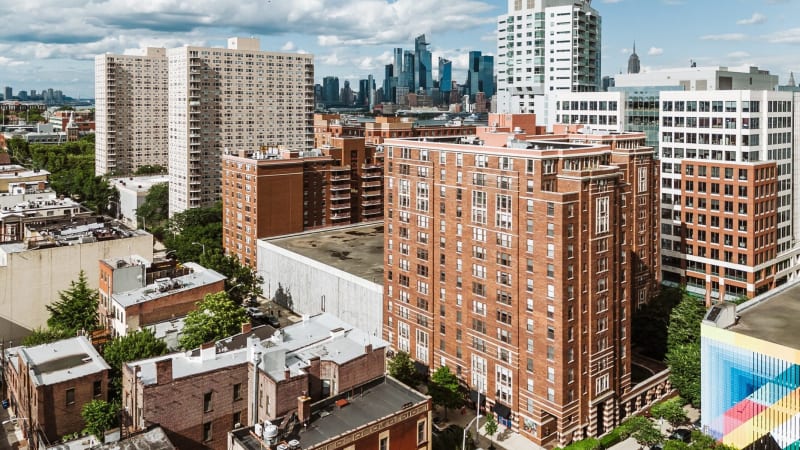
A New Jersey city of 60,000 hasn't seen a single traffic fatality in nine years. Their solution was surprisingly simple: redesign streets to protect people, not just move cars faster.
Imagine a city where no one has died in a car crash for nearly a decade. That's not a fantasy. It's Hoboken, New Jersey, and their success proves traffic deaths aren't inevitable.
Most American cities of 60,000 people expect six to eight traffic fatalities every year. Hoboken has had zero since January 17, 2017.
The transformation started when Mayor Ravi Bhalla, then a city council member and young father, grew frustrated pushing his stroller dangerously close to traffic just to see if streets were safe to cross. A pedestrian death in his community cemented his determination to make change happen.
Hoboken analyzed five years of crash data and discovered a striking pattern. While pedestrians and cyclists were involved in just eight percent of all crashes, they accounted for 40 percent of serious injuries and deaths. Even more telling, 88 percent of these accidents happened in crosswalks at intersections.
The city focused first on protecting its most vulnerable residents near schools, parks, and senior centers. They extended curbs into intersections, forcing cars to slow down and shortening the distance people needed to cross. Crosswalk signals gave pedestrians a seven-second head start before cars got the green light.
Speed limits dropped to 20 mph citywide. More durable paint kept crosswalks and bike lanes clearly visible for longer periods.
One of the biggest challenges was enforcing New Jersey's "daylighting" policy, which bans parking within 25 feet of intersections. Drivers kept parking there anyway because enforcement was nearly impossible at every intersection.
Hoboken's solution was brilliantly simple: make illegal parking physically impossible. The city installed inexpensive plastic posts at intersection corners and converted some spots into wider sidewalks. They added bike parking, plants, and rain gardens that also helped reduce flooding.
The Ripple Effect
What started as a safety initiative transformed entire neighborhoods. Community members who initially resisted the changes became advocates once they experienced safer streets firsthand.
Residents now actively participate, reporting infrastructure that needs fixing and requesting specific improvements. Public meetings and surveys ensure leaders hear from everyone, not just the loudest voices.
The city pilots changes at one or two intersections first, giving people time to experience new designs before rolling them out citywide. Public awareness campaigns helped residents understand why even a five mph speed reduction dramatically improves crash survival rates.
Gregory Francese, who directs Hoboken's Vision Zero program, emphasizes their layered approach. The city invests in infrastructure, vehicle safety features, and driver education simultaneously so that when someone makes a mistake, the consequence isn't death.
Nine years without a traffic fatality proves what the global Vision Zero movement has long argued: with the right combination of design, policy, and community engagement, traffic deaths can become a thing of the past.
Based on reporting by Reasons to be Cheerful
This story was written by BrightWire based on verified news reports.
Spread the positivity!
Share this good news with someone who needs it