Holocaust Survivor Andras Lacko Shares Hope in Dallas
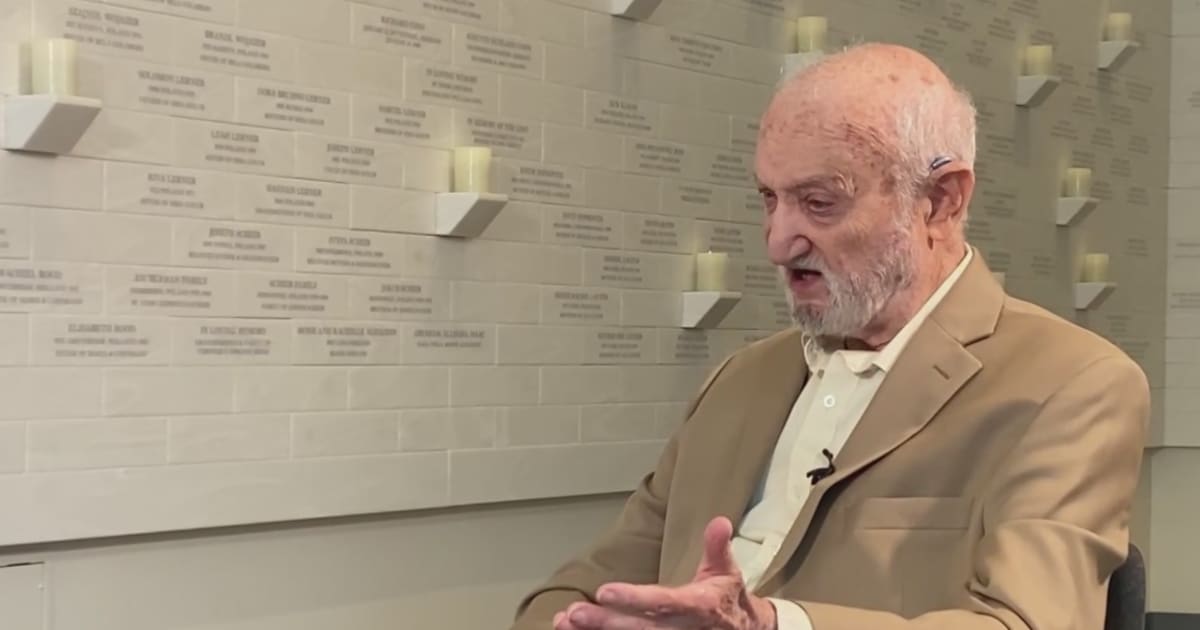
At 88, biochemistry professor Andras Lacko brings history to life at the Dallas Holocaust and Human Rights Museum, turning his family's remarkable survival story into a powerful lesson about combating hate. His message arrives at a crucial time when firsthand Holocaust testimony grows increasingly rare.
Andras Lacko was eight years old when everything changed. On March 19, 1944, German forces invaded Hungary, and within two months, nearly 800,000 Jews from the countryside were gone.
But Lacko's story became one of extraordinary survival, shaped by split-second timing and unexpected kindness. When his mother was ordered to report to the train station for deportation, the organizers ran out of time that day and told her to return the next morning.
She never went back. Instead, she tore off the yellow star they'd been forced to wear, packed a suitcase with silver for bribes, and they started walking through Budapest.
On the street, they encountered their former housekeeper, who had moved into an apartment once owned by a Jewish doctor already sent to Auschwitz. The woman invited them inside, fed them lunch, and gave Lacko's mother papers to assume her sister's identity.
Then luck struck again. Lacko contracted scarlet fever, and when Hungarian Nazis came to transport everyone to the ghetto, they barely opened the door because of the highly contagious disease.
He recovered in a military hospital and eventually reunited with both parents. At his mother's wedding years before, about 20 relatives had gathered for the celebration. Of all those people, only three didn't survive.
"The Holocaust came very late to Budapest, Hungary," Lacko explained during his recent museum visit, "and most of us had an opportunity to survive one way or another."
Why This Inspires
Now a retired biochemistry professor with a PhD, Lacko dedicates his time to sharing what he calls "lived history" with new generations. He's part of the museum's Summer Survivor Speaker Series, helping visitors understand how hate, blindness, and ignorance can lead to unthinkable consequences.
"One third of the Jewish population of the world was destroyed during the Second World War," he said. His goal isn't just remembrance but warning about patterns that still emerge today.
Mary Pat Higgins, the museum's president and CEO, emphasizes the urgency of these conversations. "We think it's incredibly important for all of us to learn from these brave individuals who survived the Holocaust while we can," she said, noting that some people deny the Holocaust even happened.
At the end of each talk, Lacko reminds audiences to stay vigilant about what might be waiting unless we remain careful and compassionate.
More Images
Based on reporting by Google: survivor story
This story was written by BrightWire based on verified news reports.
Spread the positivity!
Share this good news with someone who needs it