Home EV Charger Rebates Beat Vehicle Subsidies by 86%
New research reveals the smartest way to boost electric vehicle adoption isn't flashy rebates on cars. It's helping people charge at home and work.
What if governments have been spending billions on the wrong electric vehicle incentive all along?
New Australian research analyzing six major EV policies over 30 years reveals a surprising winner. Subsidizing home and workplace chargers delivers almost twice the return on investment compared to the popular vehicle purchase rebates most countries offer.
The numbers tell a striking story. Home charger rebates return $1.86 in benefits for every dollar spent. Meanwhile, purchase rebates and discounted toll roads return just 88 cents per dollar.
Researcher Anilan V examined why Australia lags behind global EV adoption despite significant government spending. Battery-electric vehicles hit 13% of new car sales last December in Australia, while the global average topped 20%.
The answer lies in understanding what actually changes driver behavior. Purchase rebates sound appealing but suffer from a critical flaw: freeriders. Many wealthy buyers who receive thousands in rebates would have purchased the EV anyway, making the policy surprisingly ineffective at converting hesitant buyers.
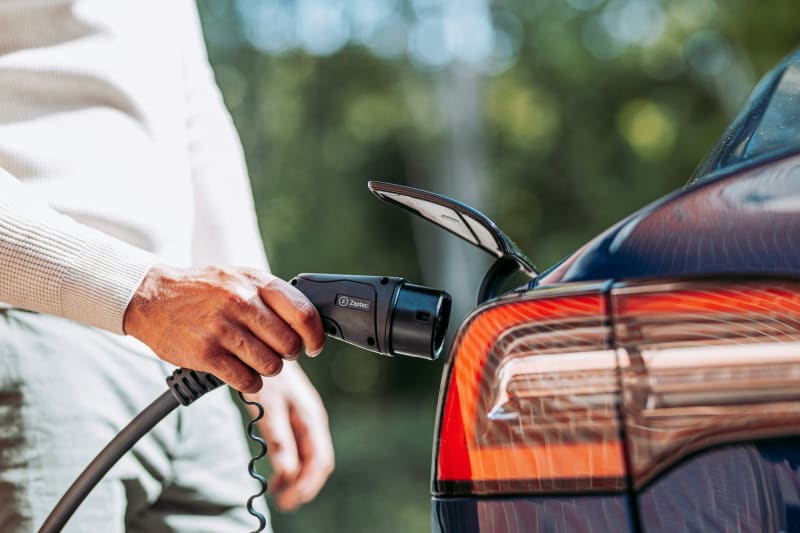
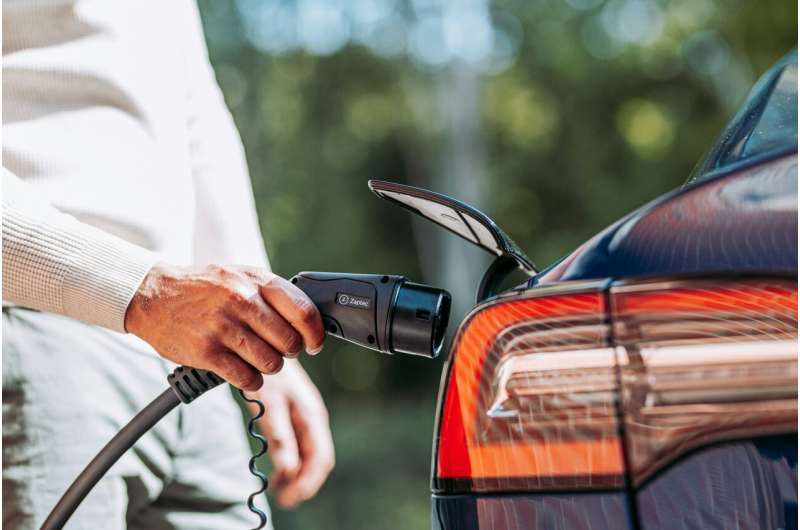
Home chargers work differently. They slash annual operating costs while adding genuine convenience. Owners can charge overnight during off-peak hours or tap into their rooftop solar panels, saving money with every use. No more hunting for public chargers or waiting 30 minutes for a charge.
The convenience factor matters enormously. Drivers consistently value the certainty of waking up to a fully charged vehicle far more than occasional access to public fast chargers.
Public fast chargers scored poorly on economic efficiency, returning just 88 cents per dollar spent. Yet they remain essential for driver confidence and serve renters and apartment dwellers who lack home charging options.
The study's dark horse winner? Fuel efficiency standards, which took effect in Australia in January 2025. These standards returned an impressive $47 in benefits per dollar spent, though they encourage all low-emission vehicles, not just battery EVs specifically.
The Ripple Effect
The research suggests a smarter path forward as governments worldwide reconsider their EV strategies. Home charger subsidies particularly shine in countries like Australia where detached homes with garages and rooftop solar are common.
Future vehicle-to-grid technology will sweeten the deal further, letting EV owners sell stored power back to the grid during peak demand. These chargers don't just enable EV adoption but strengthen entire electricity networks.
Australia currently lacks nationwide home charger rebates despite their proven effectiveness. As policymakers review existing tax exemptions on new EVs, the evidence points clearly toward redirecting funds from vehicle purchase subsidies to the charging infrastructure that makes electric driving genuinely practical.
The lesson extends beyond Australia: sometimes the quietest policies deliver the loudest results.
More Images

Based on reporting by Phys.org - Technology
This story was written by BrightWire based on verified news reports.
Spread the positivity!
Share this good news with someone who needs it