Honda Wind Tunnel Helps USA Bobsled Olympian Win Gold
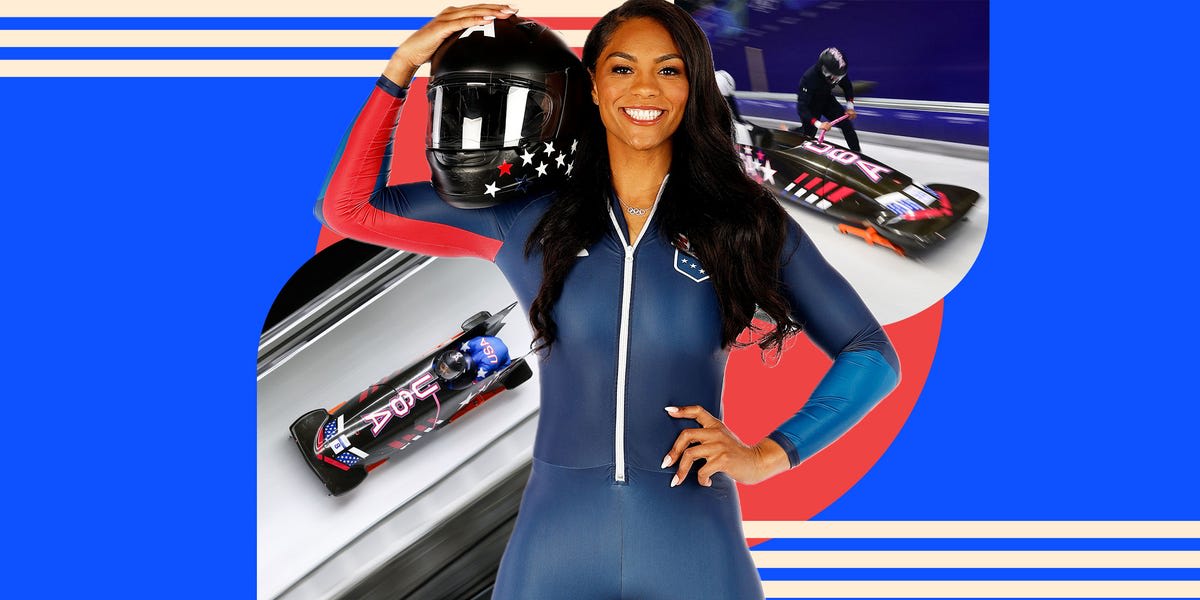
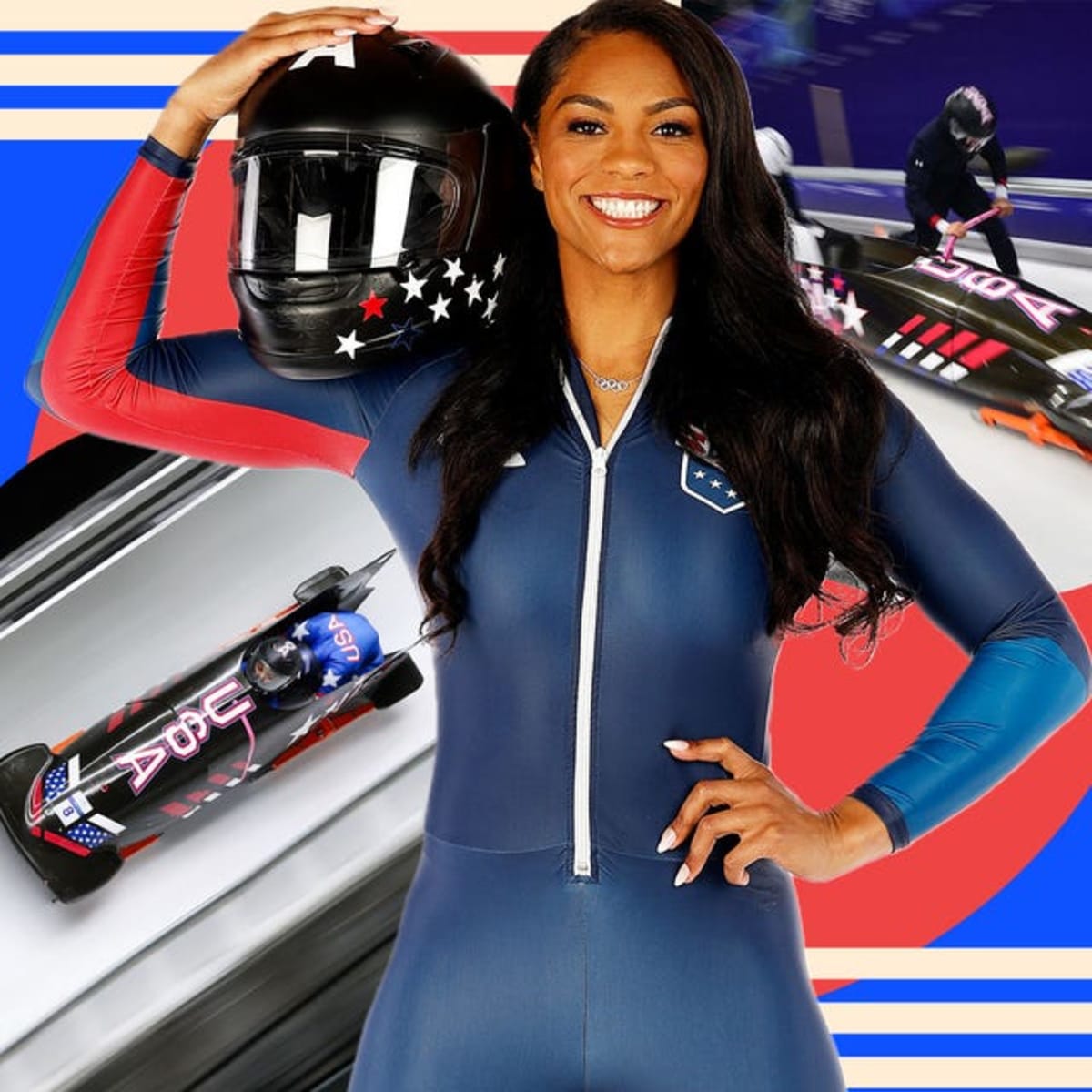
A car testing facility in Ohio is helping Olympic bobsledder Kaysha Love perfect her sport at 70 miles per hour. The partnership between Honda and Team USA is turning wind tunnel data into podium finishes.
Racing down an icy track at 70 miles per hour doesn't leave much room for second-guessing. That's why Kaysha Love, who just became the 2025 monobob World Champion, is using an unexpected training tool: a Honda car testing facility in Ohio.
Love, 28, went from college track star to two-time Olympian in less than five years. She started as a brakewoman in 2020 and qualified for the Beijing Olympics just two years later, finishing seventh with teammate Kaillie Humphries.
But Love wanted more. She moved into the pilot seat in 2022, a position requiring split-second decisions and precise steering to keep the sled on its fastest line.
That's where Honda entered the picture. In summer 2025, Honda partnered with U.S. Bobsled/Skeleton, opening their automotive wind tunnel in Raymond, Ohio to athletes for the first time.
The facility, originally built to test car aerodynamics, now helps bobsledders gather racing data that can shave precious fractions of seconds off their times. In bobsled, where podium finishes are often decided by less than a second, those tiny details matter enormously.
For Love, the technology has been "a game changer." Wind tunnel testing revealed how small adjustments in her posture, placement, and entry angles affect her speed through turns.
At the 2026 Milan Cortina Olympics, the Honda team pulled data after each race to estimate curve-by-curve speeds and identify optimal racing lines. "It really opened up an entirely new knowledge of how to approach the Games," Love says.
The data doesn't replace instinct, though. Love studies the numbers in practice but relies on muscle memory during competition, letting her training take over without overthinking.
The hardest part? Finding courage to commit to new racing lines that data suggests are faster. "Some of the lines that are the fastest are often the most dangerous," she explains, especially in two-woman races where another athlete's safety depends on her decisions.
Why This Inspires
Love finished seventh in monobob and fifth in two-woman at Milan Cortina, but she's just getting started. The Honda partnership extends through 2030, giving both sides time to learn and improve together.
She's no longer focused on simply qualifying for the Games. Now she's aiming for medals, viewing her Olympic pilot debut as the beginning of her career, not the peak.
"My career is not over. It's just getting started," Love says—and with a car company helping her perfect the art of speed, she's got science on her side.
More Images

Based on reporting by Womens Health
This story was written by BrightWire based on verified news reports.
Spread the positivity!
Share this good news with someone who needs it