.jpg%3Fitok%3DHHGtzxmb)
Hong Kong AI Lab Merger Yields Artificial Skin Breakthrough
A research merger in Hong Kong is producing unexpected wins, including electronic artificial skin that combines pressure sensing with visual detail. The breakthrough shows how combining different scientific fields can speed up real-world solutions.
Scientists in Hong Kong are proving that combining different research teams can spark breakthroughs nobody saw coming.
The Hong Kong Applied Science and Technology Research Institute merged with the Nano and Advanced Materials Institute in April 2026. Just months later, the combined teams are already unveiling new technologies that neither group could have created alone.
One standout innovation is artificial skin for robots. The materials team had developed pressure-sensitive surfaces, while the computer experts worked on optical sensors powered by AI. When they joined forces, they created something stronger: a sensing system that can detect both pressure and fine surface details at the same time.
Dr. Ying Huang, Chief Technology Officer at ASTRI, says the secret is letting AI help materials researchers discover new properties faster than traditional methods allowed. "We have a very strong AI community in the industry," he explained. "Leveraging advanced AI can significantly accelerate the work."
The institute requires industry partners to invest real money in projects, ensuring the research solves actual business problems. Once a technology works, they find more partners to scale it up.
That approach already produced wins. An AI-enhanced firewall first tested with a government department is now packaged into routers that a telecom company sells to small businesses.
The Ripple Effect
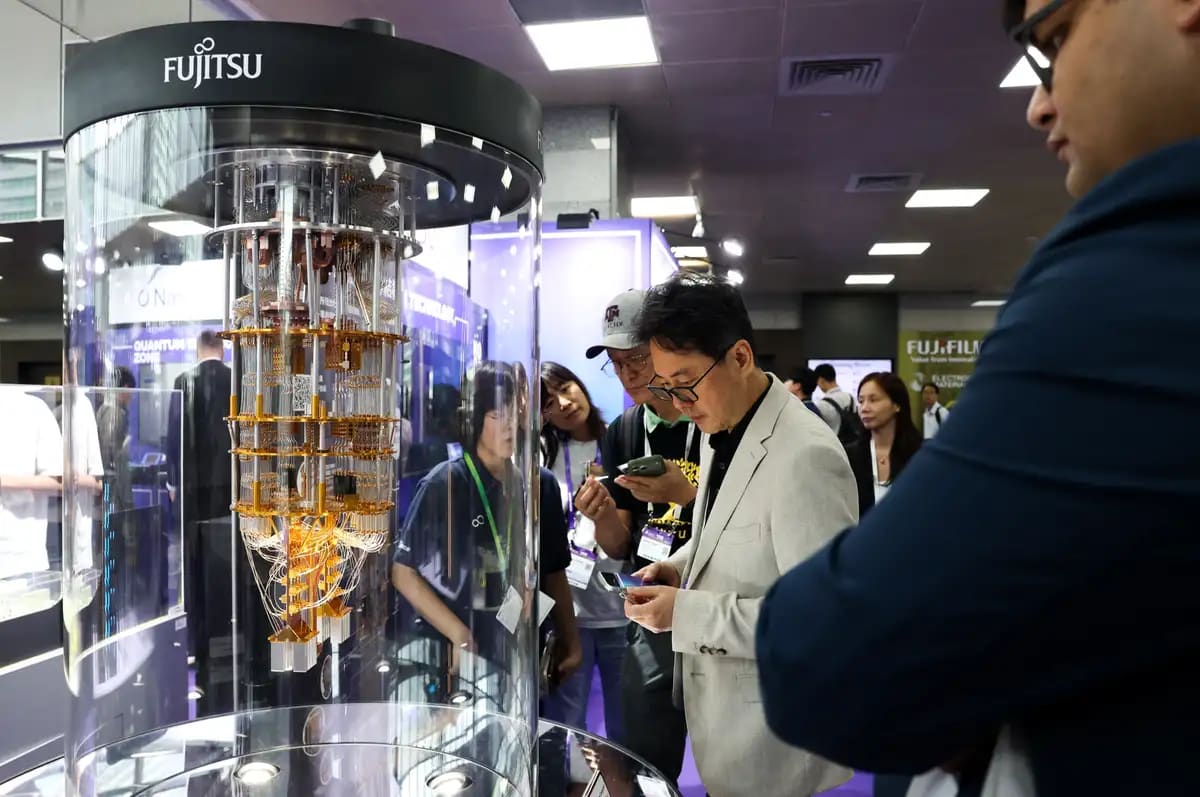
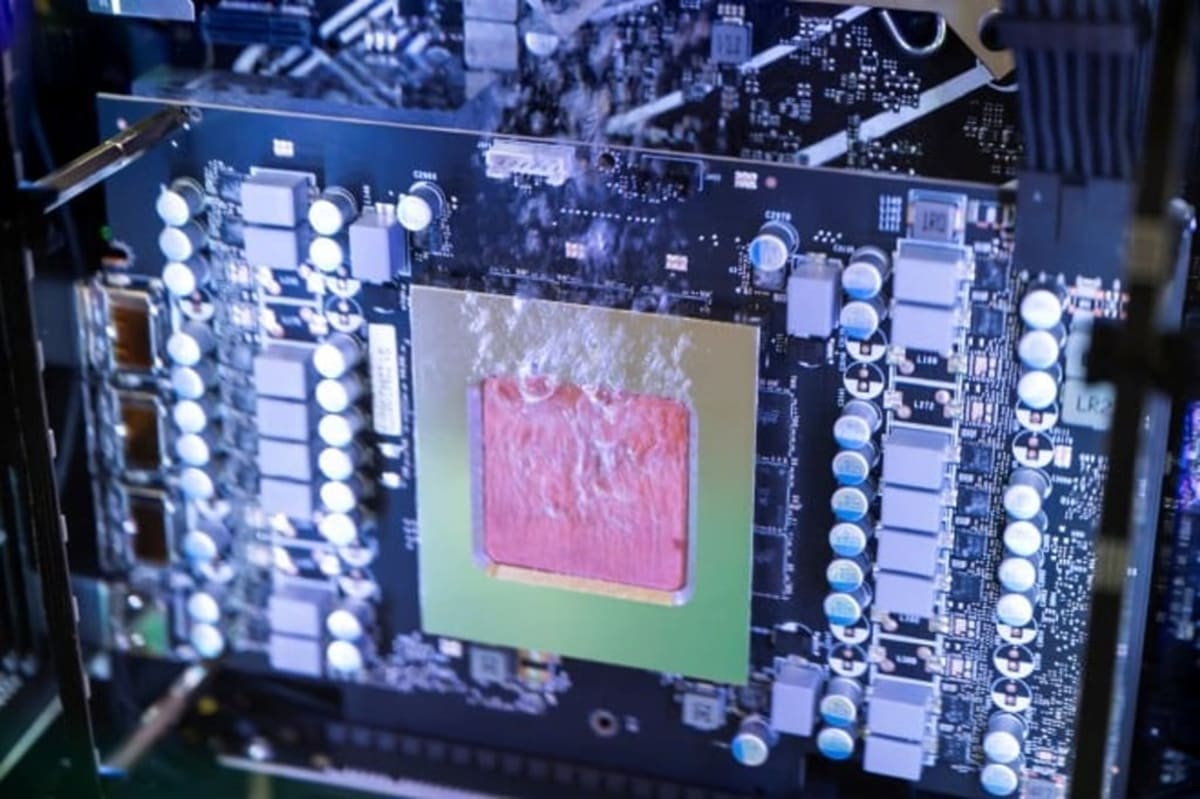
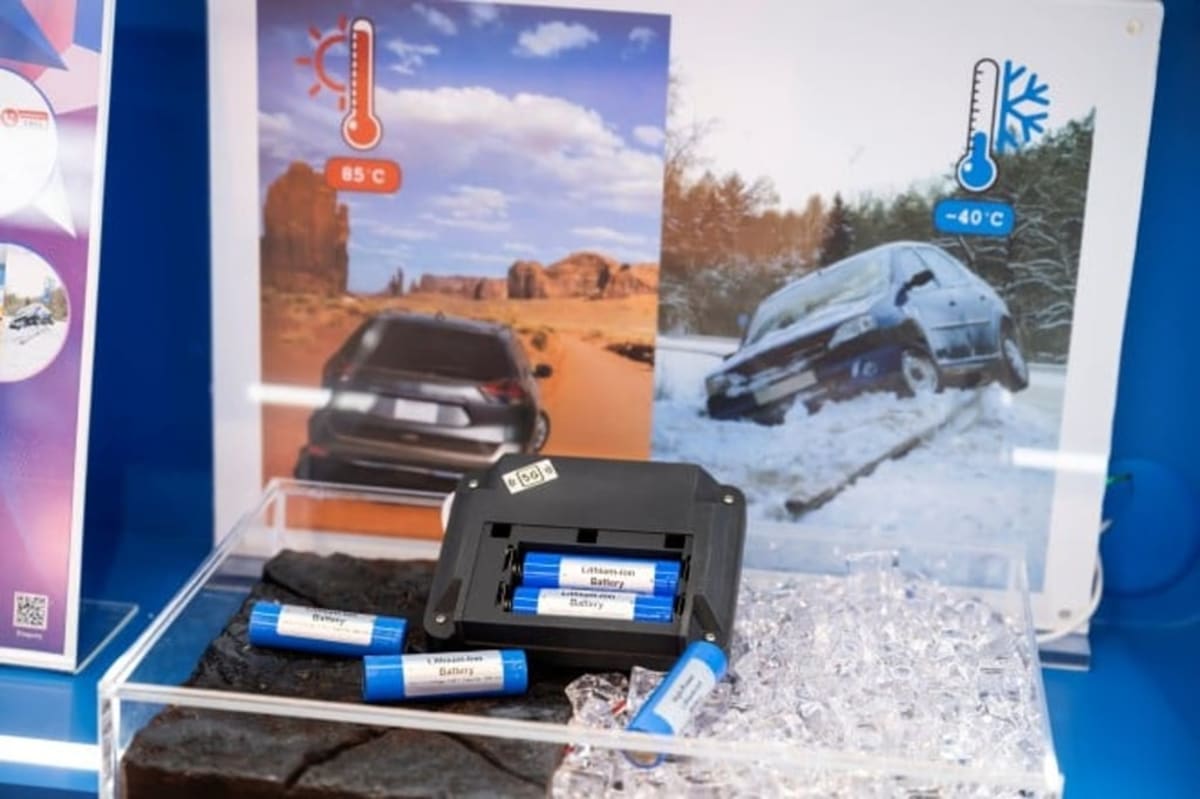
The merger's impact extends beyond individual inventions. At the LEAP East technology exhibition, ASTRI showcased a two-phase cooling system now running in a government facility that cuts energy use by more than 20 percent. They displayed batteries that work in extreme heat up to 85°C for ten years without replacement, meeting European safety standards for emergency vehicle communications.
The team also presented a drone system for inspecting tall buildings, developed with Hong Kong Polytechnic University, and solar-storage hybrid inverters. Discussions with partners from Saudi Arabia and other Middle Eastern markets revealed new commercial applications for privacy-protecting detection systems in retail settings.
CEO Dr. Ted Suen highlighted an even bigger shift on the horizon: physical AI. As populations age and labor shortages grow, robots and autonomous systems need to move from digital screens into the real world. Medical robots supporting remote surgery and factory automation systems show this transition happening now.
The combination of robotics expertise, advanced materials, and AI is accelerating this progress. Dr. Suen advised organizations to start preparing by creating testing environments and integrating AI across operations.
The merger demonstrates that breaking down walls between scientific disciplines creates momentum that benefits everyone from government facilities saving energy to small businesses protecting their networks.
More Images
.jpg%3Fitok%3DOnWPT2cW)
.jpg%3Fitok%3DRn8Lc7Gz)
Based on reporting by South China Morning Post
This story was written by BrightWire based on verified news reports.
Spread the positivity!
Share this good news with someone who needs it