Hong Kong Engineers Crack Noise Problem for Ventilated Spaces
Scientists just solved a problem that's plagued architects for decades: how to keep buildings quiet without blocking airflow. A new discovery could make everything from offices to airplane engines significantly quieter.
Imagine trying to design a quiet room that also needs fresh air flowing through it. For years, engineers faced an impossible choice: materials that absorb sound block airflow, while vents that let air through also let noise escape.
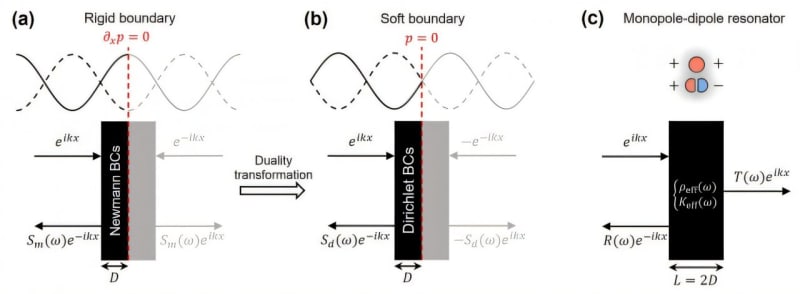
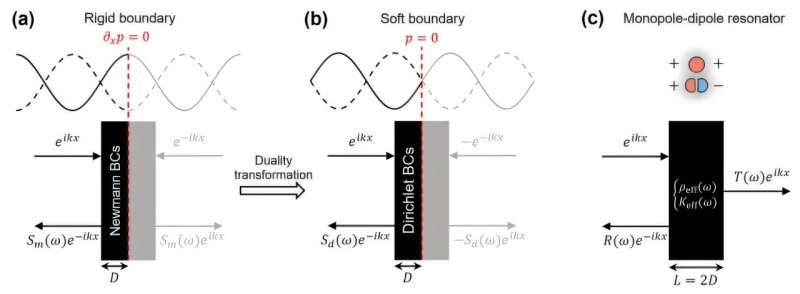
Researchers at The University of Hong Kong just shattered that tradeoff. Led by Professor Nicholas Fang, the team discovered a fundamental physics principle called duality symmetry that changes the rules for sound absorption in ventilated spaces.
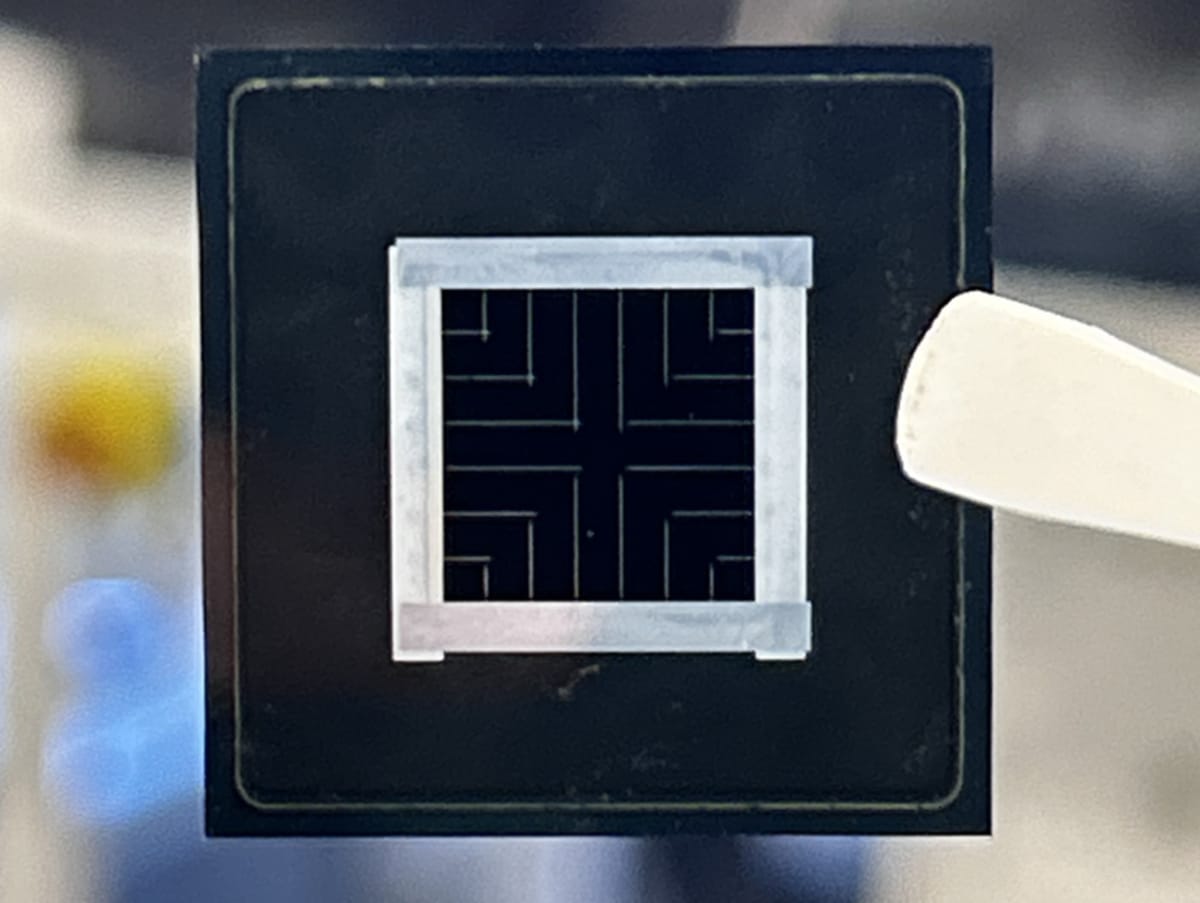
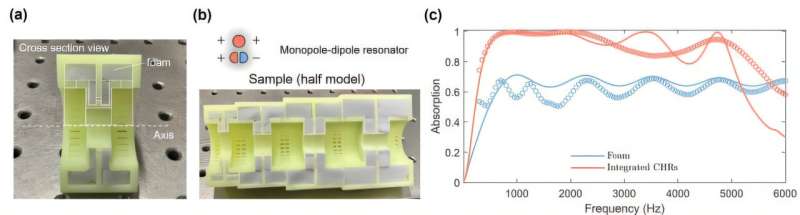
The breakthrough centers on a clever design using two connected acoustic chambers. Air flows freely through the system while sound gets trapped and canceled out through destructive interference, similar to how noise-canceling headphones work.
The results speak for themselves. In experiments, the new material absorbed over 86% of sound across a huge frequency range, from deep rumbles at 300 Hz to high pitches at 6,000 Hz. Traditional foam panels of the same thickness can't come close to matching that performance.
Dr. Sichao Qu, the study's lead author, called the discovery thrilling. "Symmetry and absorption bandwidth were previously unrelated ideas," he explained. The team's work, published in Nature Communications, reveals a deep mathematical connection that nobody had seen before.
The research team partnered with the University of Cambridge and Acoustic Metamaterials Group Ltd. to develop the technology. They even created a new measurement called figure of merit that evaluates how well systems balance sound absorption, material thickness, and airflow all at once.
The Ripple Effect
This discovery reaches far beyond laboratory walls. Office buildings could finally achieve both quiet workspaces and proper ventilation, solving a problem that's frustrated architects since the invention of air conditioning.
Aircraft manufacturers are already paying attention. The technology could dramatically reduce engine noise without compromising the critical airflow needed for safe operation. Neighborhoods near airports might soon experience significantly quieter skies.
The applications extend to data centers, hospitals, factories, and anywhere people need both silence and fresh air. With artificial intelligence helping to optimize designs, engineers can now create custom solutions for specific spaces and noise problems.
The team's work also challenges long-established physics limits around material thickness and bandwidth, opening doors scientists thought were permanently closed. What seemed like an immovable barrier turned out to be breakable with the right insight.
Future buildings and vehicles won't have to choose between comfort and quiet anymore.
More Images


Based on reporting by Phys.org - Technology
This story was written by BrightWire based on verified news reports.
Spread the positivity!
Share this good news with someone who needs it