Hong Kong Hydrogel Coating Boosts Solar Power by 13%
Scientists in Hong Kong just solved one of solar energy's biggest problems with a simple coating that cools panels and generates more electricity. The breakthrough could help cities worldwide reach their clean energy goals faster.
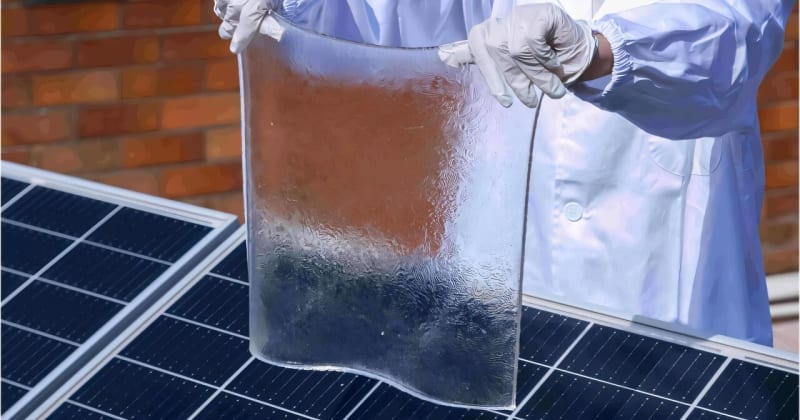
Solar panels have a dirty secret: they lose power when they get too hot, especially in the overheated spots that form from shadows and defects. Now researchers at Hong Kong Polytechnic University have developed an affordable hydrogel coating that drops those hot spot temperatures by 16°C and boosts power output by 13%.
The innovation tackles a problem that affects more than a third of solar panels worldwide. A major study of 3.3 million panels found that 36.5% had thermal defects, with some spots heating up over 21°C hotter than normal. Those hot spots don't just waste energy. They speed up panel aging and can even cause fires in extreme cases.
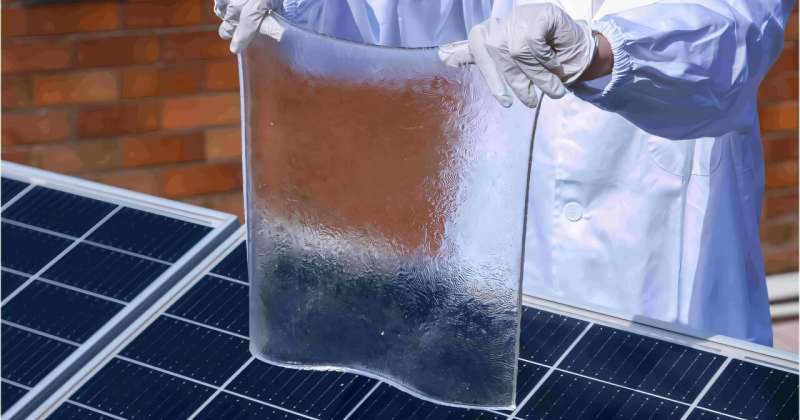
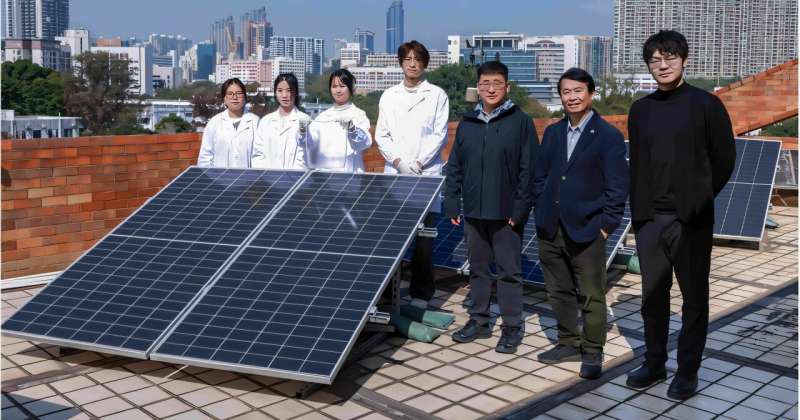
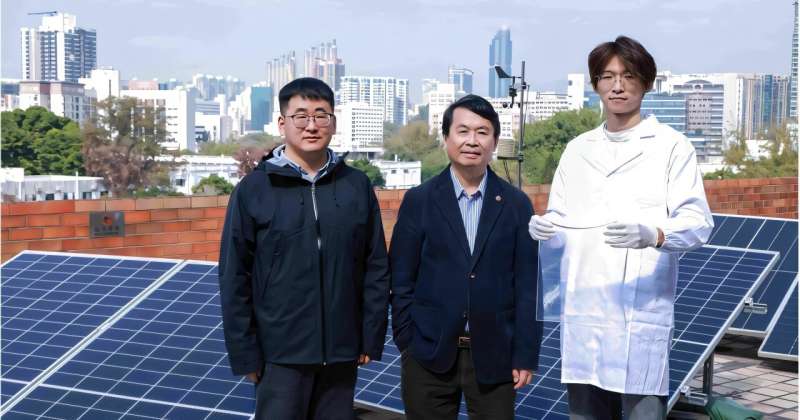
Professor Jerry Yan and Dr. Junwei Liu created their solution by combining natural materials into a hydrogel that spreads across panels like a protective skin. The coating works by evaporating water to pull heat away from problem areas, no electrical modifications required. Anyone can apply it to existing panels, making it perfect for rooftops and building-integrated systems across cities.
The numbers tell an exciting story for urban renewable energy. In Hong Kong, the coating could increase annual solar power generation by 6.5%, paying for itself in just 4.5 years. Singapore could see even better results at 7% more power with a 3.2 year payback period. On rooftop and building systems, the coating could recover nearly half the power typically lost to hot spots.
The Ripple Effect
This breakthrough arrives at the perfect moment for cities racing toward carbon neutrality. Urban solar installations face unique challenges from shadows cast by tall buildings and the heat absorbed by concrete jungles. The hydrogel coating makes solar power more reliable and efficient exactly where population density demands the most energy.
The technology also solves a problem that has plagued previous hydrogel attempts. Traditional versions shrink up to 46% over time, cracking and losing effectiveness. The team's innovation uses hydroxyethyl cellulose and cotton fibers to limit shrinkage to just 34%, making it durable enough for years of outdoor use.
Dr. Liu sees this as just the beginning for hydrogel cooling applications in renewable energy. The same principles could improve emerging photovoltaic technologies and make solar power viable in even more locations worldwide.
Cities from tropical Singapore to temperate Hong Kong can now squeeze significantly more clean energy from every solar panel they install, turning rooftops into more powerful weapons against climate change.
More Images
Based on reporting by Phys.org - Technology
This story was written by BrightWire based on verified news reports.
Spread the positivity!
Share this good news with someone who needs it