Hong Kong Program Helps 300+ Rethink Schizophrenia Care
A groundbreaking approach in Hong Kong is transforming mental health treatment by focusing on people's strengths instead of just their symptoms. Over 300 people with schizophrenia are now building meaningful lives through a program that treats them as citizens, not just patients.
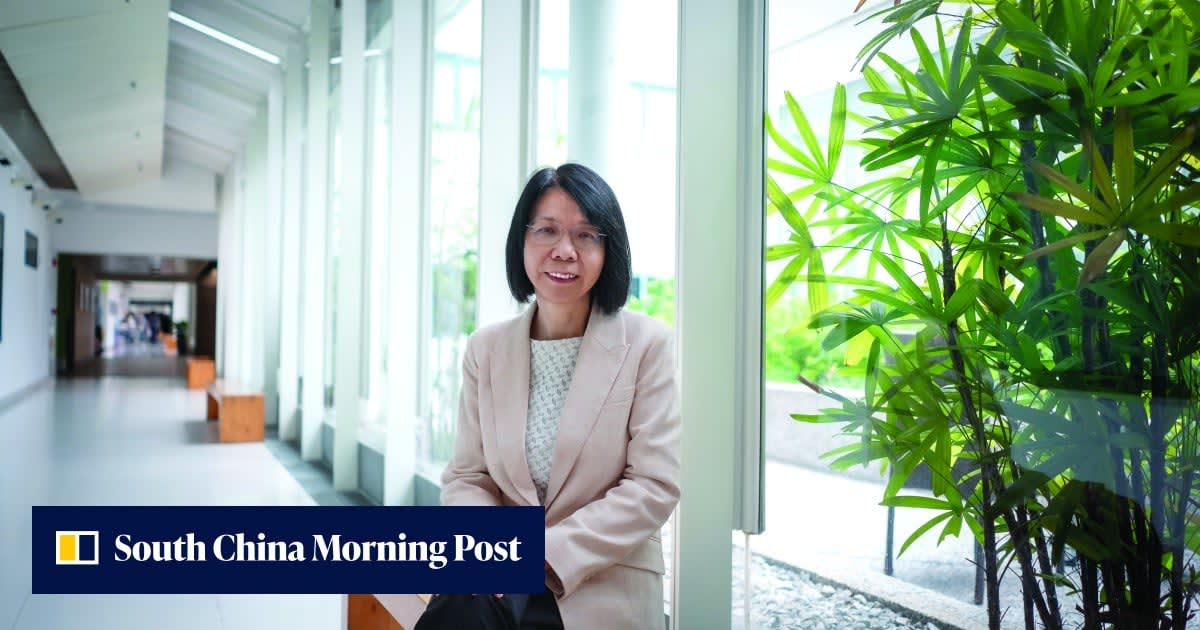
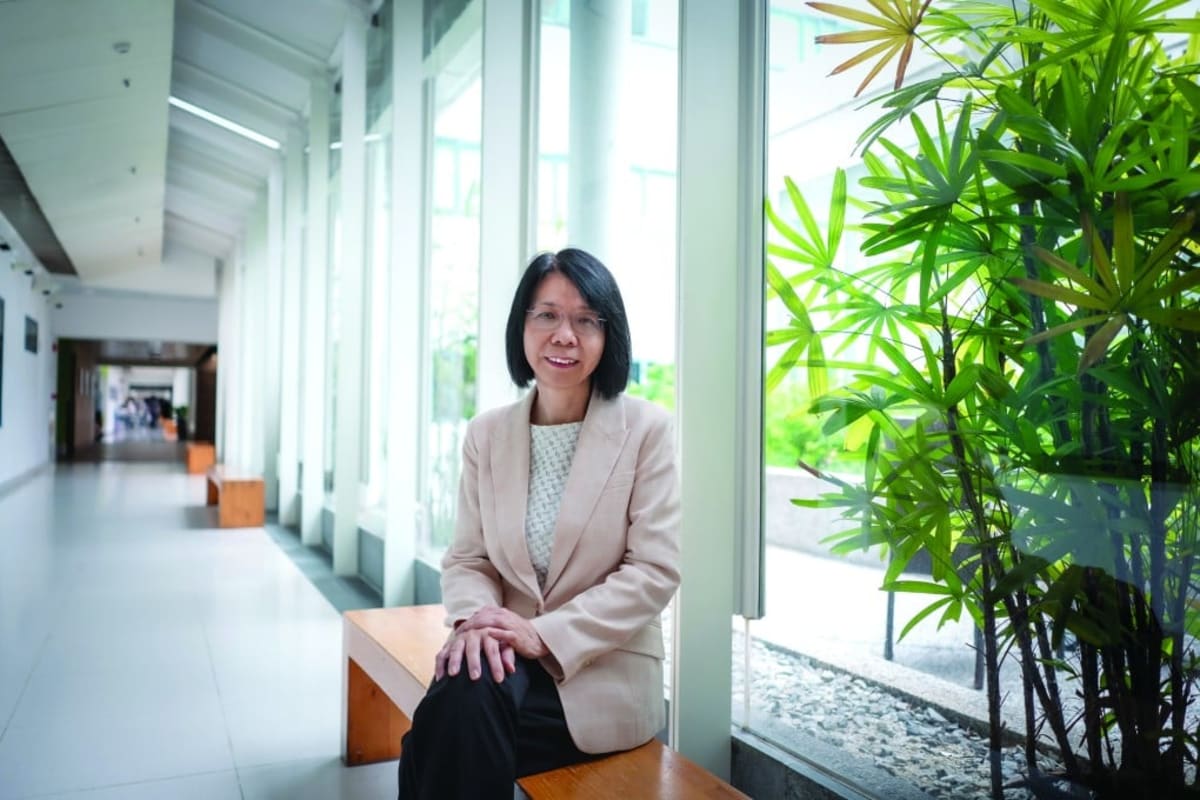
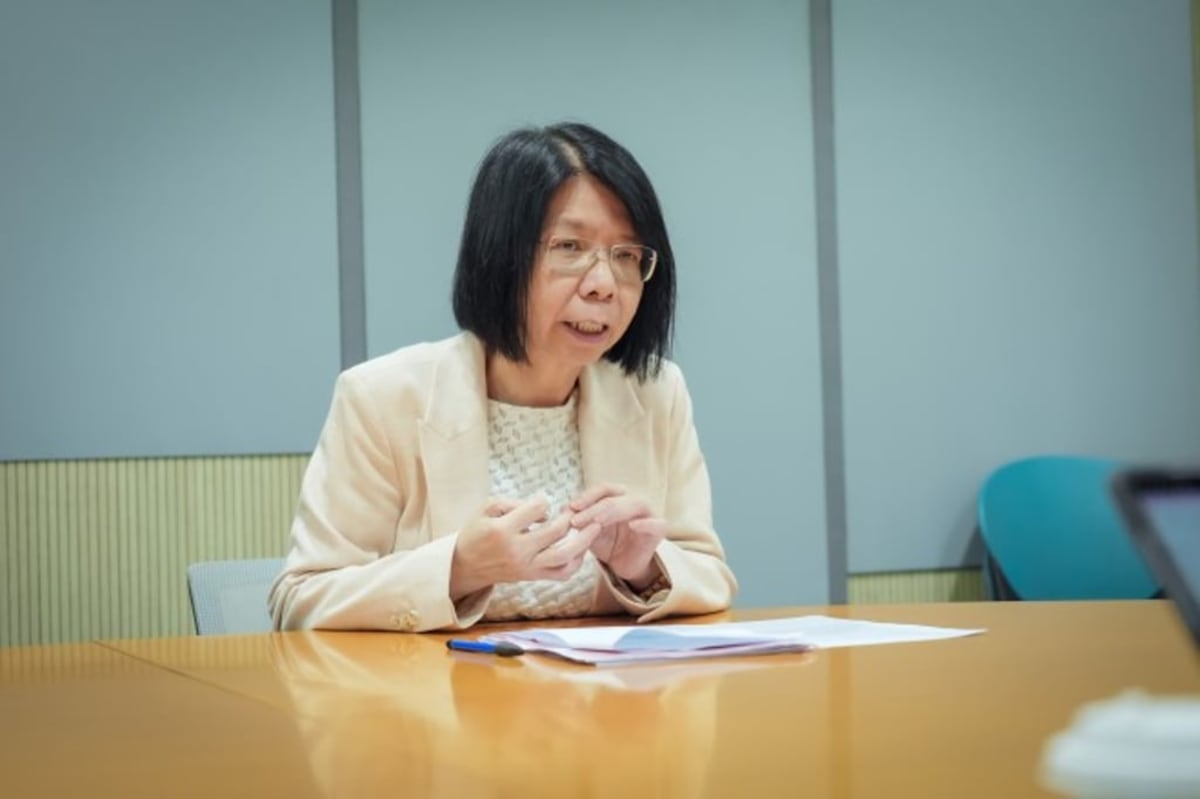
For years, Hong Kong's mental health system measured success by one simple metric: fewer symptoms, shorter hospital stays. But Professor Sylvia Kwok from City University of Hong Kong saw a critical gap in what happened after patients left the hospital.
Around 40,000 people in Hong Kong live with schizophrenia. Traditional treatment focused only on reducing hallucinations and managing medication, leaving people without purpose or hope for the future.
Kwok spent the past decade developing a radically different approach inside the city's halfway houses. Instead of asking what's wrong with people, her team asks what's right with them.
"Everyone has their unique character strengths," Kwok explains. Her program helps residents discover their capacity for gratitude, forgiveness, and resilience while rebuilding their sense of self.
The halfway houses have become micro communities where people spend one to two years preparing for independent living. Residents work during the day, follow personalized recovery plans, and participate in strength-based therapy sessions that help them find meaning in their experiences.
The shift sounds simple but it's profound. By helping people reframe their struggles as part of a growth story, symptoms stop defining who they are. They become people who happen to manage a condition, not patients limited by their diagnosis.
The Ripple Effect
Over 10 years, Kwok's program has expanded to all halfway houses across Hong Kong, reaching more than 300 people. The improvements in recovery and wellbeing persist months after people complete the program, with notably lower relapse rates than traditional approaches.
The success is prompting wider questions about how mental health systems should measure progress. Kwok argues that bed occupancy and symptom reduction miss the point entirely, advocating for metrics that include quality of life and personal fulfillment.
She's also pushing for practical changes in employment support. Current sheltered workshops offer only repetitive tasks like packaging, overlooking people's actual talents. Some residents excel at drawing, writing, acting, or sports, and deserve career placements that match their abilities.
The program's ultimate goal goes beyond individual recovery. Kwok wants to fundamentally change how society views people with mental health conditions, shifting them "from the patient identity to a citizen identity."
It's more than semantic wordplay. One label suggests deficits and dependency while the other recognizes capacity, agency, and belonging in the community.
Hong Kong's mental health system is slowly embracing this transformation, proving that treating people as full human beings with strengths to build on works better than simply managing their symptoms.
More Images
Based on reporting by South China Morning Post
This story was written by BrightWire based on verified news reports.
Spread the positivity!
Share this good news with someone who needs it