Hong Kong Reserves 4,000 Homes for Displaced Tenants
Hong Kong is setting aside nearly a fifth of its transitional housing to protect 30,000 households affected by new subdivided flat regulations. The government is offering a four-year grace period to help landlords upgrade substandard units without forcing mass evictions.
When more than 100 families at Yee Wa Building faced sudden displacement last week, Hong Kong's government responded with a safety net that could help tens of thousands more in similar situations.
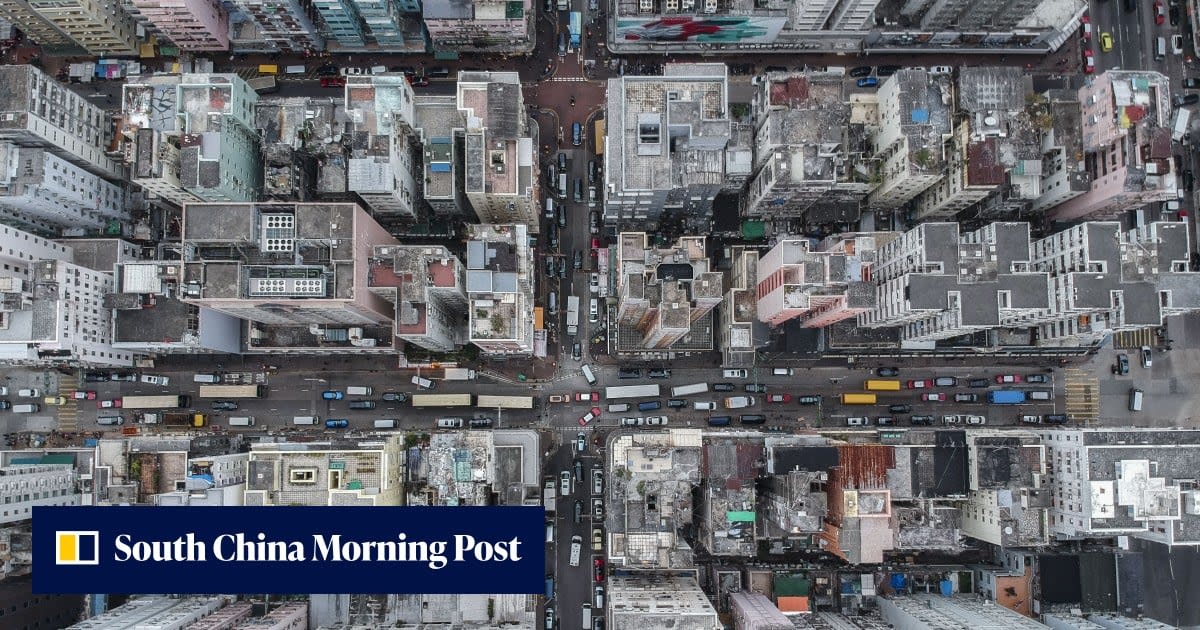
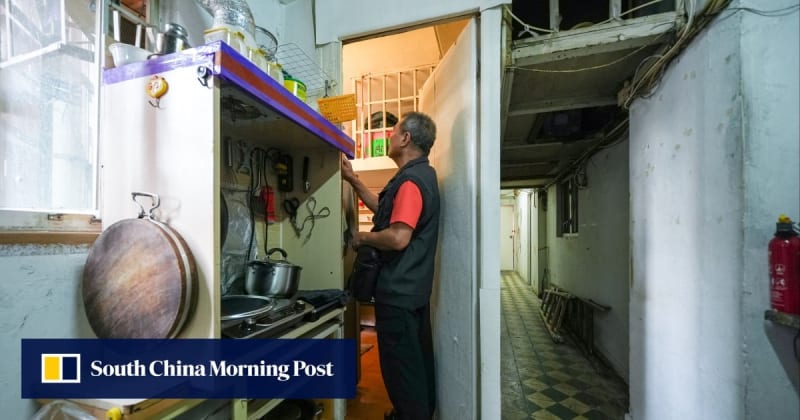
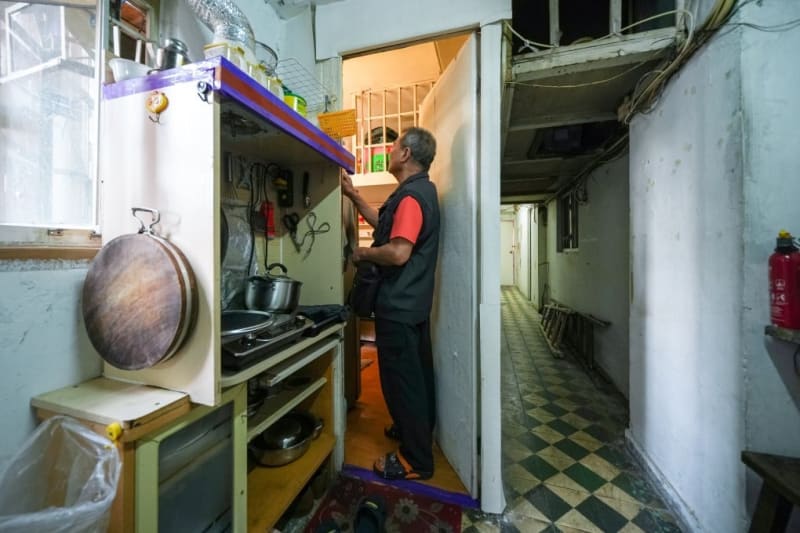
The city is reserving 4,000 transitional homes specifically for tenants impacted by the new Basic Housing Units Ordinance, which takes effect next month. This law sets minimum living standards for subdivided flats, addressing years of concerns about cramped, unsafe living conditions in one of the world's most expensive housing markets.
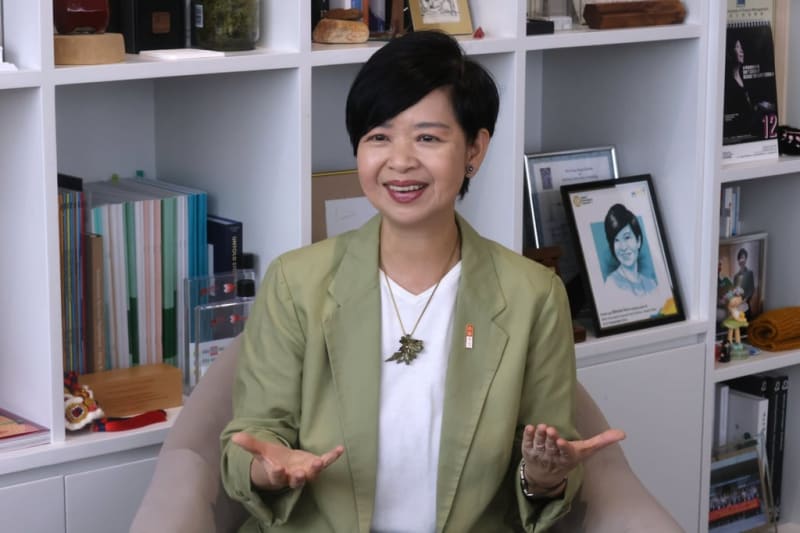
Housing Secretary Winnie Ho announced the plan Sunday, emphasizing that the government wants to improve housing quality without creating a crisis for vulnerable tenants. The ordinance requires landlords to register their subdivided units and meet specific safety and space requirements to receive licensing.
Here's the crucial part: landlords get a full four years to bring their properties up to standard. The first year allows for registration without any enforcement action, followed by a three-year grace period to make necessary improvements.
"Once you register, I will grant a three-year grace period; with three years plus one year for registration, that is a total of four years, which is absolutely enough time for everyone to handle different problems," Ho explained in a televised interview.
The government has already deployed six service teams to assist the 100-plus displaced households from Yee Wa Building, with most families already contacted and receiving support. This rapid response shows the infrastructure is in place to help affected residents transition smoothly.
The Bright Side
This policy represents a meaningful shift toward protecting Hong Kong's most vulnerable residents while still addressing legitimate housing quality concerns. Rather than forcing immediate compliance that could trigger mass evictions, the extended timeline gives landlords realistic options to upgrade their properties.
The 4,000 reserved transitional homes provide a genuine safety buffer. These aren't just promises on paper but actual housing units available for families caught between substandard apartments and an expensive rental market.
For the estimated 30,000 households living in subdivided flats that may not meet new standards, this phased approach means they won't have to choose between homelessness and unsafe conditions. The government's commitment to "digest" the demand over an extended period suggests a thoughtful, humane implementation plan.
Housing Secretary Ho noted that transitional housing has consistently proven valuable during emergencies, pointing to its role following the deadly Tai Po fire last November.
Hong Kong's housing crisis won't solve overnight, but this measured approach shows government policy can prioritize both safety standards and human dignity at the same time.
More Images

Based on reporting by South China Morning Post
This story was written by BrightWire based on verified news reports.
Spread the positivity!
Share this good news with someone who needs it