Hong Kong Students Patent Food Waste Solution at Age 14
Four high school students from Aberdeen Technical School in Hong Kong just earned a patent for a system that slashes food spoilage in transport by 75%. Their invention could prevent 15 tons of wasted produce for every 100 tons shipped.
Four teenagers just solved a problem that costs the world 1.3 billion tons of wasted food every year. Students at Aberdeen Technical School in Hong Kong developed a cold chain monitoring system so effective it earned them a government patent in April 2026.
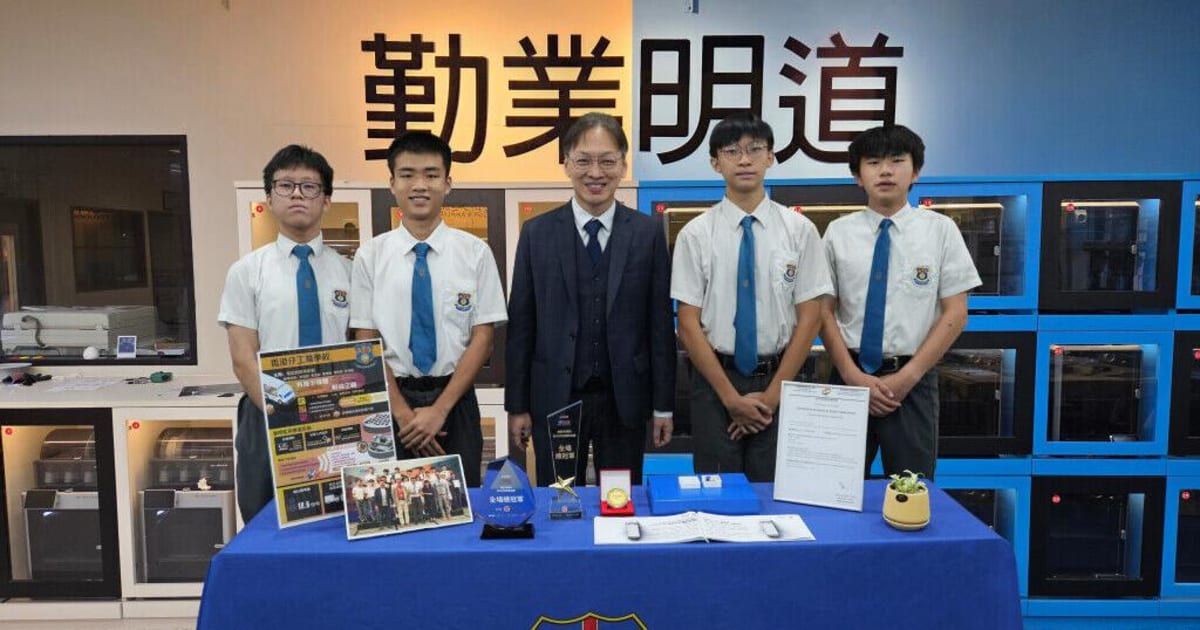
The team included Wong Tim Shing, just 13 years old in grade 8, alongside three high school sophomores: Chan Lai Him, Lau Ho Yin, and Pang Wai Chiu. They named their invention "Eye of the Fresh Environment" after noticing truckloads of spoiled fruits and vegetables during everyday deliveries.
Their solution uses organic semiconductor sensors that cost a fraction of existing systems. The tiny monitors track temperature, humidity, and gas levels in refrigerated trucks without generating heat or draining power.
Connected to an AI cloud system, the sensors predict spoilage up to 48 hours before it happens and automatically alert distributors. Early testing shows the system reduces spoilage rates from 20% down to just 5%.
That translates to real money for small businesses. For every 100 tons of fresh produce transported, companies save 15 tons of product and gain over $57,000 USD in additional revenue.
The students spotted a gap in the market that big companies had missed. Existing monitoring systems were designed for massive industrial operations with budgets to match. Small trucking companies and food startups had nowhere to turn.
"We made it modular and affordable specifically for smaller transport scenarios," explained Lau Ho Yin. The team optimized every component to work for the businesses that needed help most.
Their innovation beat 40 competing teams from Hong Kong and Macau to win the Overall Grand Championship at the "Innovate and Lead" logistics competition in 2025. Then they kept working.
The Ripple Effect
The students credit their school's boarding program for giving them time and space to think deeply. Living together taught them teamwork and time management while cutting distractions.
"I had to learn self-discipline with my schedule and spend less time on my phone," Lau Ho Yin shared. "That gave me more time for critical thinking and noticing problems around me."
The team voluntarily formed during summer break 2025, combining classroom lessons with real-world research. They turned school projects into patented technology before most kids get their driver's licenses.
Their system now offers food distributors a practical path toward environmental goals while protecting profit margins. As climate change threatens food security worldwide, innovations from unexpected places matter more than ever.
Four students proved that fresh eyes and determination can crack problems that stumped entire industries.
More Images

Based on reporting by Google News - School Innovation
This story was written by BrightWire based on verified news reports.
Spread the positivity!
Share this good news with someone who needs it