Hong Kong Tests Heavy Drones to Haul Cement and Bricks
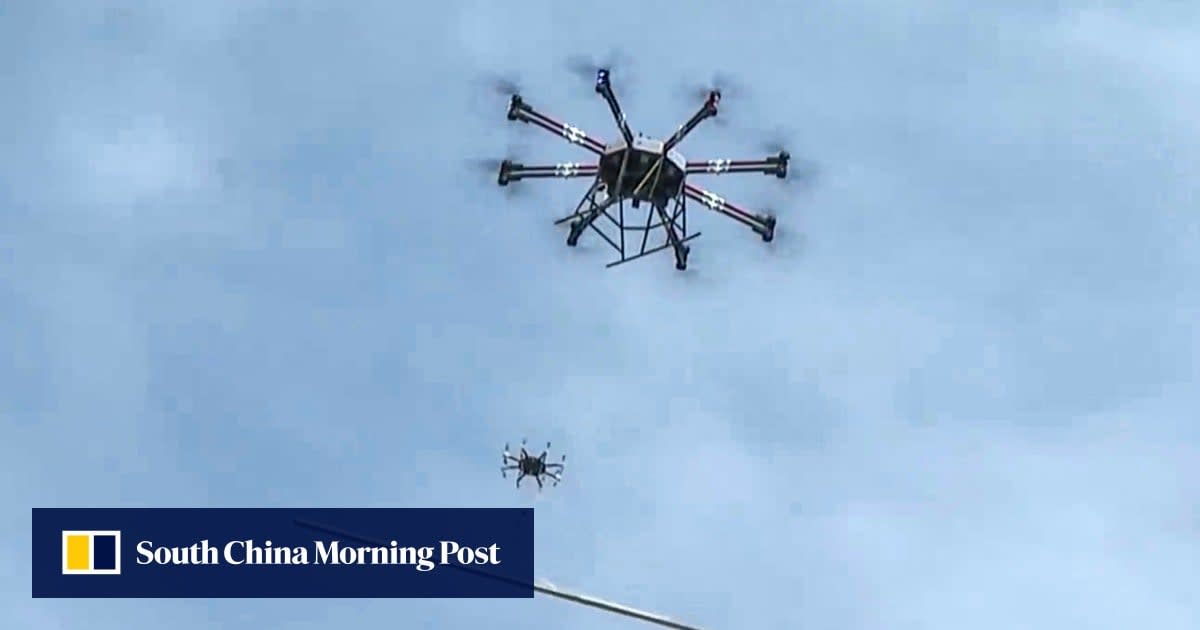
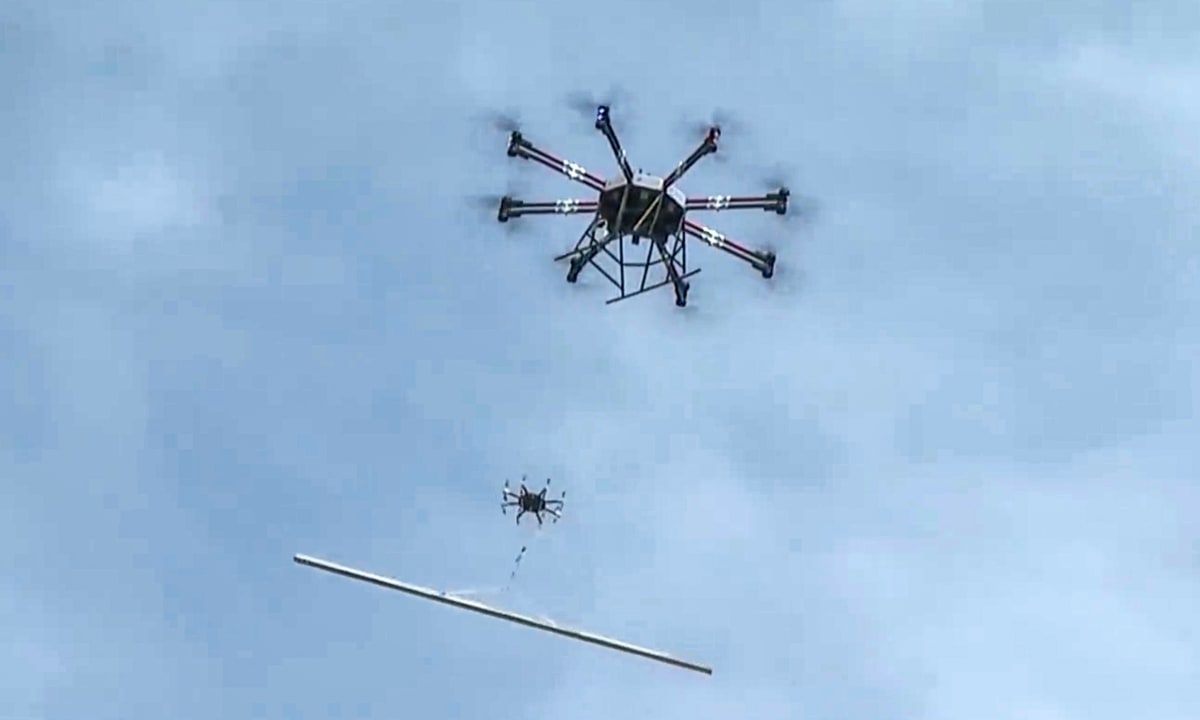
Hong Kong is testing industrial drones that can carry up to 80kg of construction materials like cement and manhole covers across building sites. The year-long trial could revolutionize how the city moves heavy supplies while making construction safer and faster.
📺 Watch the full story above
Imagine a drone strong enough to carry a manhole cover flying over a construction site, delivering materials in minutes instead of hours.
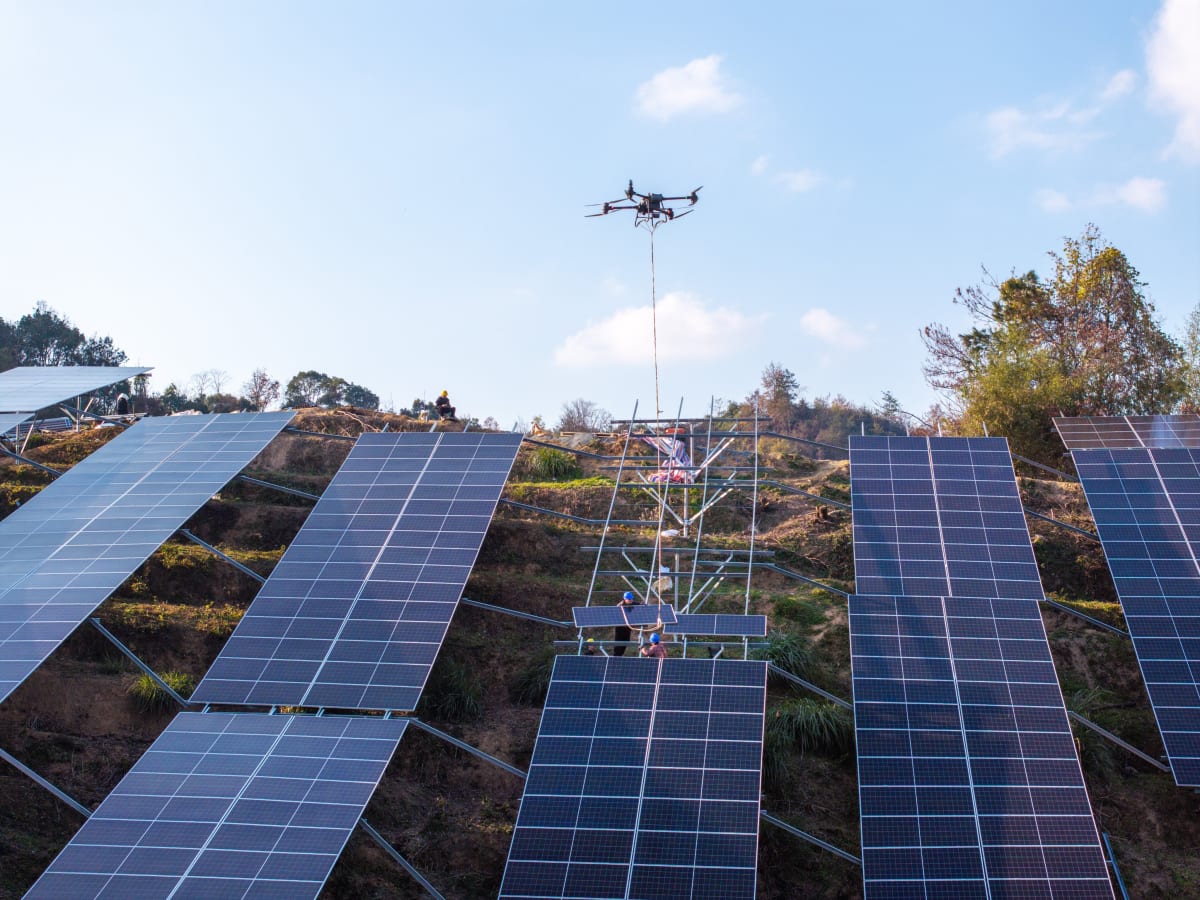
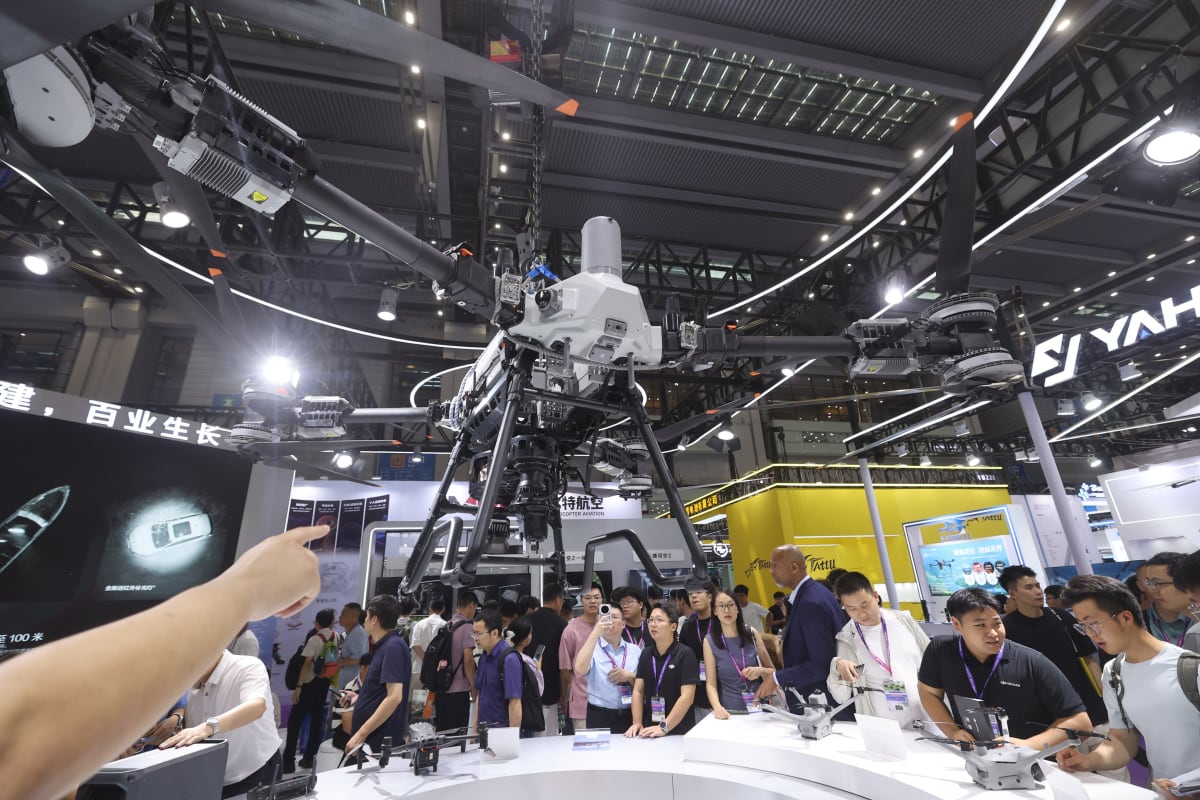
Hong Kong's Development Bureau is making that vision real with a 12-month trial of heavy-duty industrial drones across six sites. These aren't your typical hobby drones. Each aircraft weighs nearly 150kg and can carry loads up to 80kg, including cement bags, bricks, solar panels, and even drinking water for workers.
The bureau partnered with two companies, Geosys Hong Kong and FlyCamHK, to test whether these flying workhorses can handle the tough demands of construction logistics. Some drones will even come equipped with robotic arms to perform hoisting operations at building sites.
The trial goes beyond simple deliveries. Engineers are exploring whether drones can spray grass on steep slopes, clear drains in hard-to-reach areas, and clean building facades. These tasks currently put workers in risky situations, especially on Hong Kong's hilly terrain.
The project is part of Hong Kong's push toward a "low-altitude economy," launched through a regulatory sandbox program last November. Think of a sandbox as a safe testing ground where new technology can prove itself before widespread adoption.
Traditional construction logistics in Hong Kong face unique challenges. Trucks navigating narrow roads, steep hills, and congested sites waste time and money. Workers carrying heavy materials by hand face constant safety risks, especially on muddy or multilevel work sites.
Drones bypass all that. They fly directly from point A to point B, leaping over traffic jams and ground obstacles. What might take multiple truck trips across a large site becomes a single aerial delivery in minutes.
The Ripple Effect
The benefits extend beyond construction efficiency. If successful, this technology could transform emergency response across Hong Kong's infrastructure. Drones might rush critical supplies to remote treatment facilities on outlying islands or quickly transport water samples to laboratories for testing.
The bureau sees bigger possibilities too. By testing drones simultaneously across different public works departments, they hope to create a ripple effect that speeds up advanced technology adoption throughout government operations.
Safety remains the top priority. The sandbox environment lets engineers identify challenges, adjust applications, and develop proper regulations before expanding drone use. Every flight operates under strict risk assessments to protect both workers and the public.
The aircraft being tested already holds industrial certification from mainland China, proving its reliability in real-world conditions. Because these drones carry cargo rather than passengers, they don't need complex charging stations or landing pads, keeping the trial simple and focused.
Bureau officials plan to introduce even stronger drones if the trial succeeds, expanding applications across engineering, emergency response, and asset management. The technology already exists in the market. Now Hong Kong is proving it can work safely in their unique urban environment.
Construction sites of the future might look very different, with drones humming overhead delivering exactly what workers need, exactly when they need it.
More Images

Based on reporting by South China Morning Post
This story was written by BrightWire based on verified news reports.
Spread the positivity!
Share this good news with someone who needs it