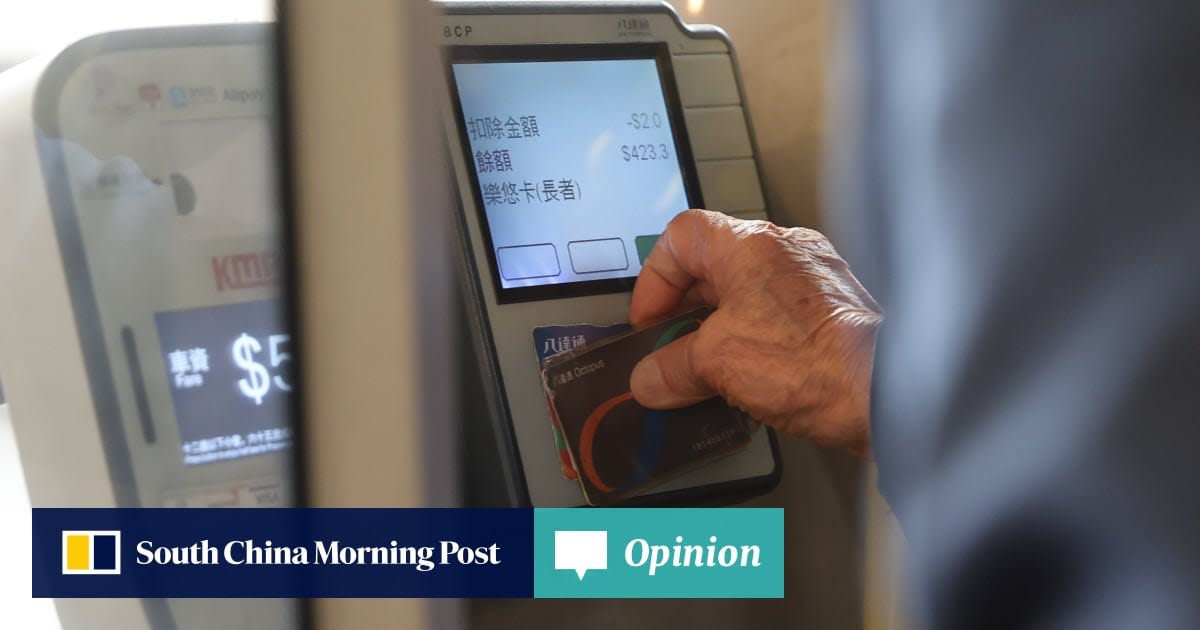
Hong Kong's $0.26 Fare Helps 2.6M Seniors Stay Connected
Hong Kong's transport scheme lets seniors travel anywhere for just 26 cents, and it's keeping millions socially active and working longer. Now the challenge is protecting this success story as costs rise.
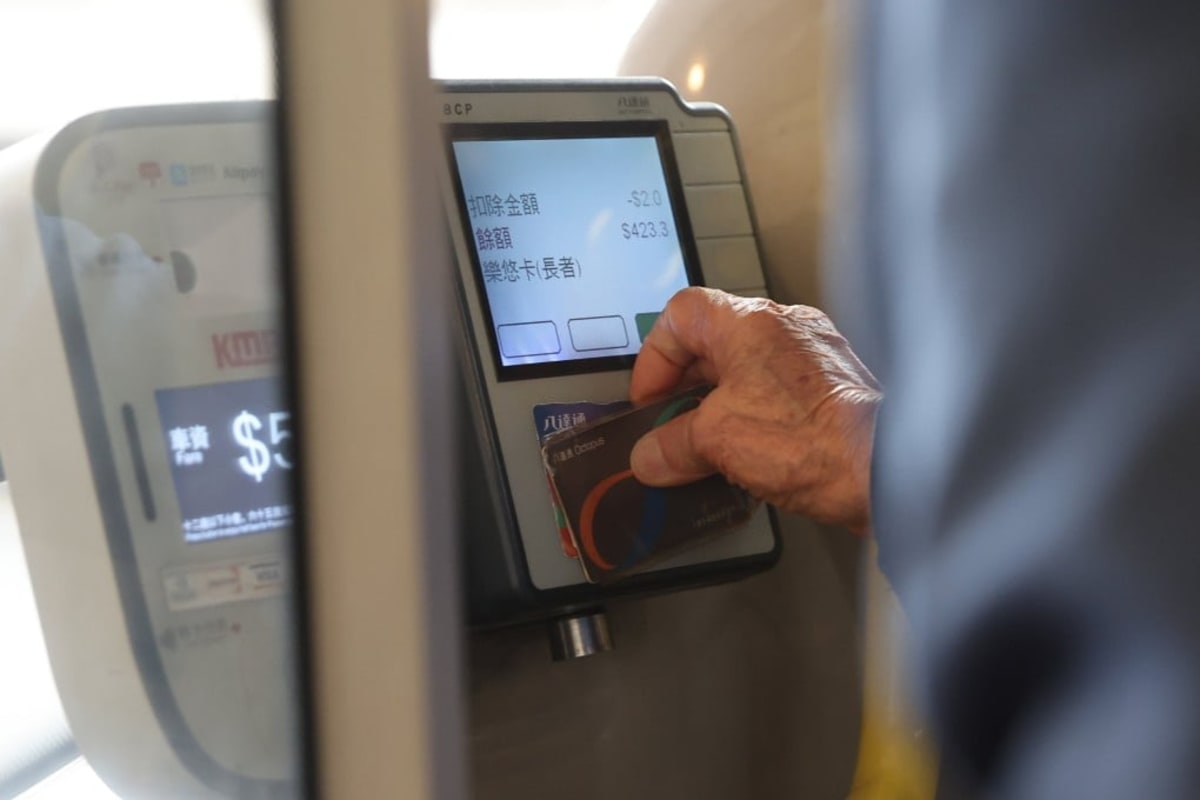
For just 26 cents, millions of Hong Kong seniors can hop on a bus, train, or ferry and go anywhere in the city. Since 2012, this simple idea has transformed how older adults stay connected to their families, communities, and jobs.
The HK$2 transport fare scheme started small, covering just subway riders over 65. Today, it serves 2.67 million people, about one third of Hong Kong's entire population, across all major transport options including buses, ferries, and minibuses.
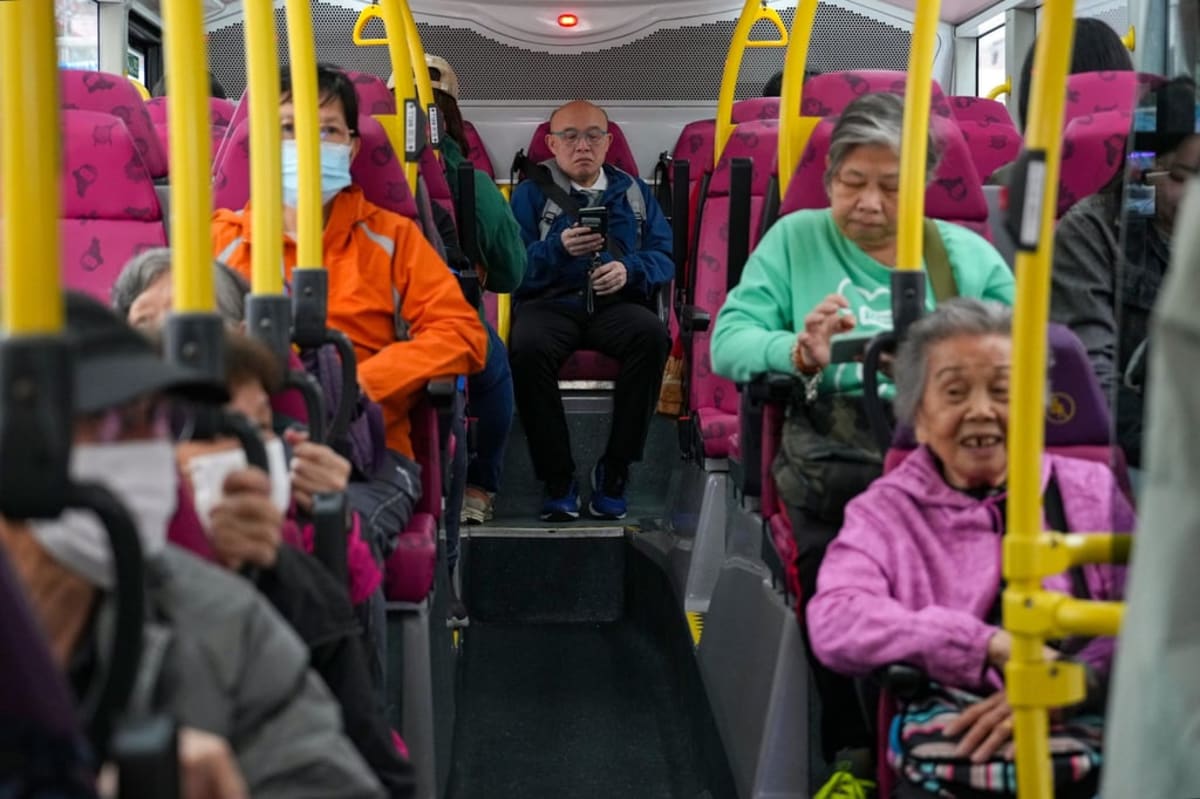
The results speak for themselves. Seniors who might have become isolated at home now travel freely to visit grandchildren, meet friends, and participate in community life. Some have even chosen to keep working past retirement age because commuting costs no longer eat into their modest incomes.
In 2022, officials expanded the program to include people starting at age 60, recognizing that affordability shouldn't wait until traditional retirement. The government covers the difference between the flat HK$2 fee and actual fares, reimbursing transport operators directly.
But success brings challenges. Program costs have quadrupled from HK$1.2 billion in 2019 to HK$4.8 billion this year as more people qualify and use the service.
The Ripple Effect
This isn't just about cheaper bus rides. When seniors stay mobile and engaged, they require less social support services. They contribute to the economy longer. They babysit grandchildren, enabling younger parents to work. They volunteer, shop locally, and keep neighborhoods vibrant.
The program also benefits transport operators by filling seats during off-peak hours when seniors typically travel. Buses and trains run anyway, so adding passengers at subsidized rates still generates revenue that wouldn't exist otherwise.
Hong Kong's example shows what's possible when cities prioritize elder mobility. As populations age worldwide, affordable transport becomes essential infrastructure for healthy aging, not a luxury.
The city now faces an important choice: protect what works while finding sustainable funding, or risk losing the social gains of the past decade by cutting back too quickly.
More Images
Based on reporting by South China Morning Post
This story was written by BrightWire based on verified news reports.
Spread the positivity!
Share this good news with someone who needs it