
Hong Kong's East Dam Draws 5,600 Visitors Over Easter
Despite rainy weather, nearly 1,400 nature lovers visited Hong Kong's stunning East Dam each day during the Easter holiday weekend. Conservation officials are now exploring visitor management systems to protect this beloved natural treasure for future generations.
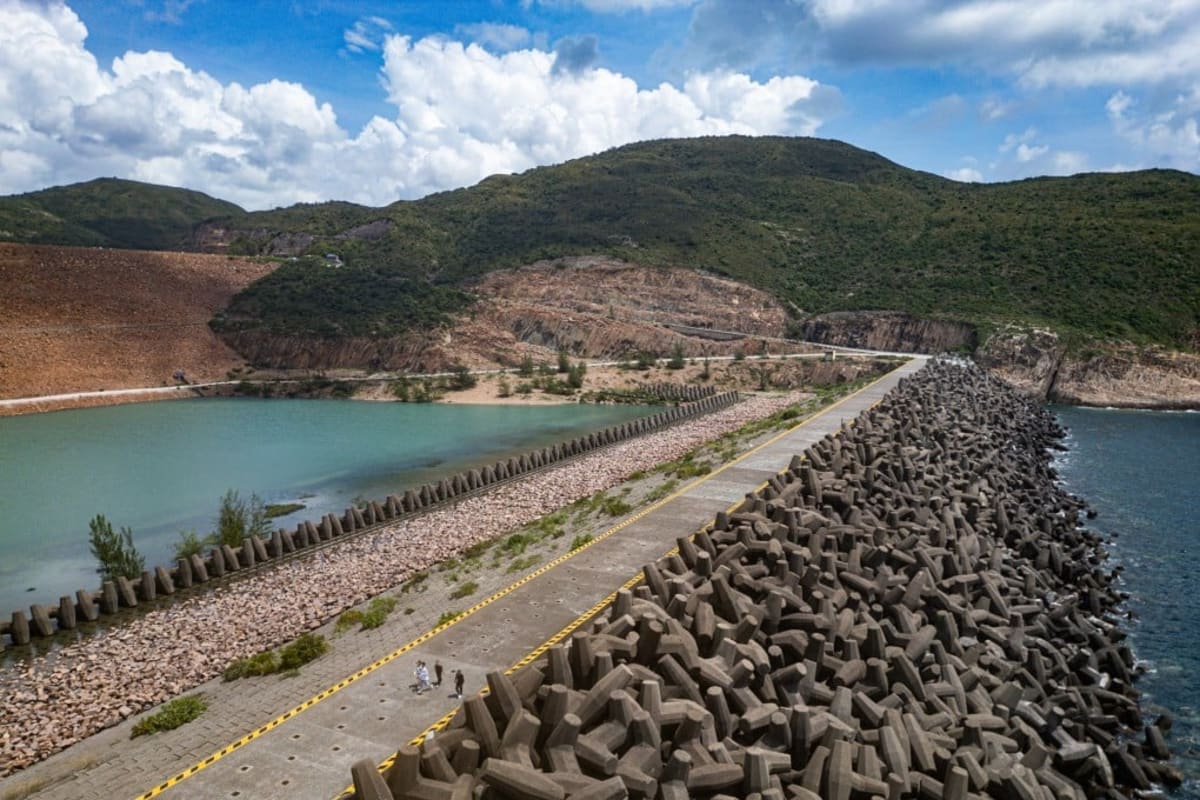
Hong Kong's East Dam proved that bad weather can't keep people away from natural beauty, drawing about 1,400 visitors daily over the four-day Easter break.
The Agriculture, Fisheries and Conservation Department shared the encouraging numbers on Tuesday, revealing that thousands flocked to Sai Kung East Country Park between Good Friday and Easter Monday. The park overlaps with the Hong Kong UNESCO Global Geopark, a site the United Nations has recognized for its incredible ecological diversity.
To keep the area pristine, officials deployed about 90 staff members each day across the country park, Sharp Island, and Lantau Island's Shui Hau. Their mission was simple: patrol the grounds and help visitors understand why keeping these spaces clean matters.
The effort worked. Authorities recorded only 18 enforcement actions for offenses like littering and illegal camping across the entire four-day period. That's fewer than five incidents per day across multiple locations visited by thousands.
The Ripple Effect
The strong turnout signals something hopeful: Hong Kong residents are eager to connect with nature, and they're mostly doing it responsibly. The low number of violations shows that education and presence make a difference.
Conservation officials aren't resting on this success. They're actively planning long-term strategies to manage popular natural attractions sustainably. Ideas on the table include introducing a reservation system or charging fees, measures that could help balance public access with environmental protection.
These management strategies could serve as a model for other urban areas struggling to protect natural spaces while keeping them accessible. When conservation works, everyone benefits: visitors get to experience pristine landscapes, ecosystems stay healthy, and future generations inherit protected natural treasures.
The department's proactive approach shows they're thinking beyond quick fixes to create lasting solutions that work for both people and nature.
More Images
Based on reporting by South China Morning Post
This story was written by BrightWire based on verified news reports.
Spread the positivity!
Share this good news with someone who needs it