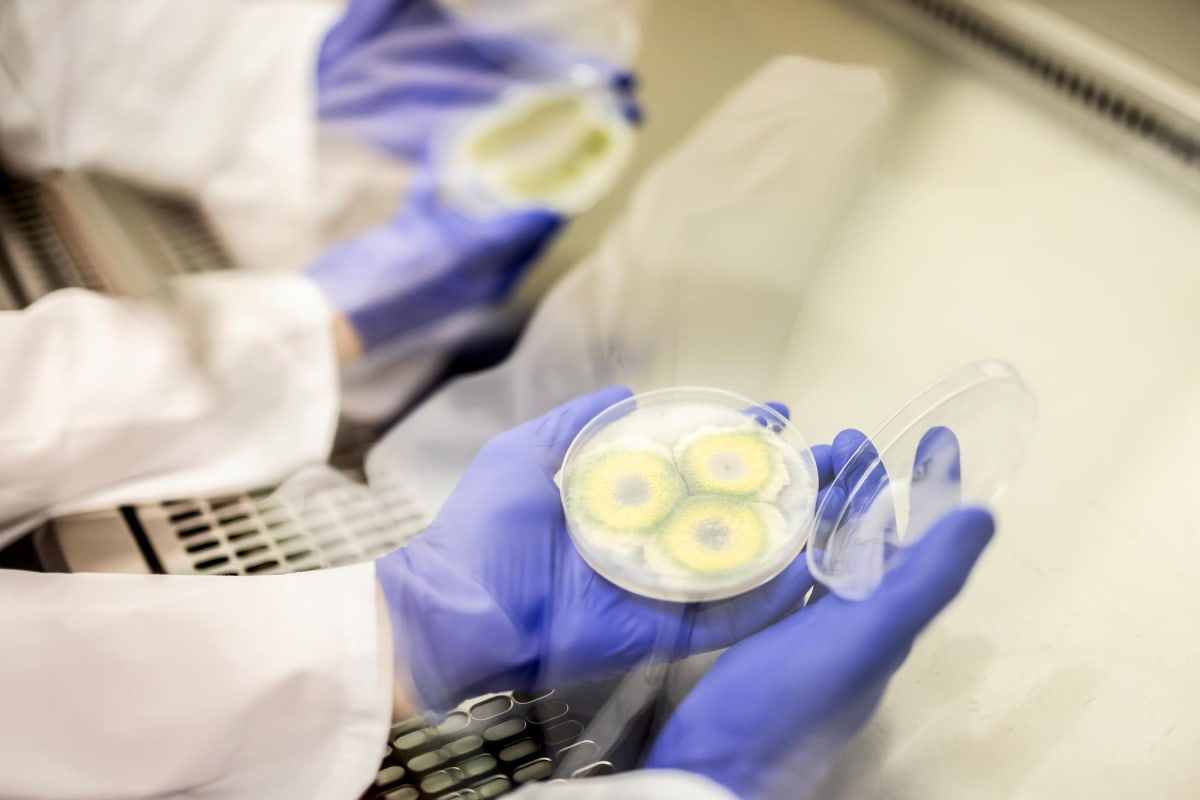
Horse IVF Breakthrough Brings Frozen Sperm Success
Penn Vet researchers solved a decades-old puzzle in horse breeding, achieving successful IVF with frozen sperm for the first time. This breakthrough could transform equine reproduction by making advanced breeding techniques accessible worldwide.
After decades of failed attempts, scientists finally cracked the code for horse breeding that could change the industry forever.
Researchers at the University of Pennsylvania's School of Veterinary Medicine have successfully created horse embryos using frozen sperm and true in vitro fertilization. This might not sound revolutionary, but it solves a problem that has stumped scientists since the 1990s.
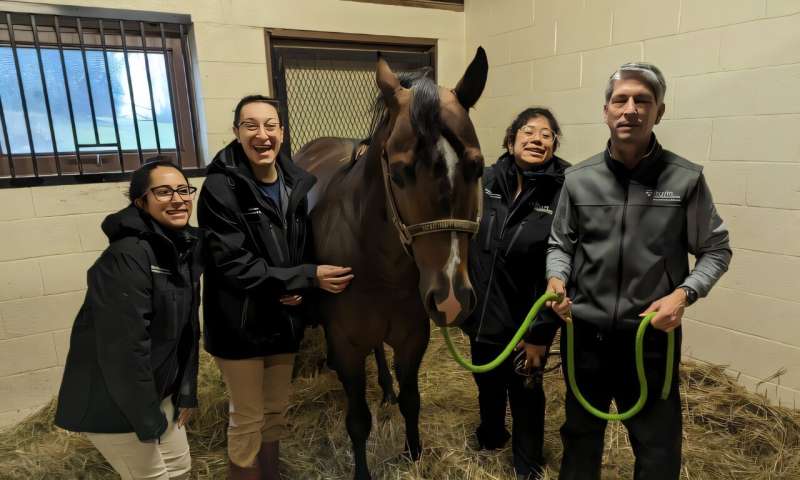
Dr. Katrin Hinrichs and her team at the Penn Equine Assisted Reproduction Laboratory achieved something remarkable. They got frozen horse sperm to fertilize eggs naturally in a dish, reaching a 73% success rate. Seven out of nine transferred embryos resulted in pregnancies.
Here's why this matters. Until now, creating horse embryos in a lab required a tedious process called ICSI, where technicians manually inject individual sperm cells into eggs one at a time. The alternative was conventional IVF, but that only worked with fresh sperm, meaning you needed the stallion physically present.
Three years ago, Hinrichs' team first achieved conventional IVF with fresh sperm, producing three healthy foals. But fresh sperm wasn't practical for real-world use. The world's best breeding stallions aren't conveniently located at every lab.
Frozen sperm changes everything. It can be shipped anywhere and stored indefinitely. The challenge was that freezing kills many sperm cells and damages survivors in complex ways that prevented fertilization.
The breakthrough came through careful experimentation. The team discovered that frozen sperm needed nine to 10 hours of pre-incubation in a special medium, different from the 22 hours required for fresh sperm. They also found that a filter-based separation device worked best for isolating viable sperm.
The Ripple Effect
This advancement could democratize elite horse breeding worldwide. Breeders in remote locations could access genetic material from champion stallions without expensive transport or time constraints. Researchers studying equine genetics and reproduction would have easier access to consistent materials for their work.
The technique could also preserve genetic diversity in endangered horse breeds. Frozen sperm from rare stallions could remain viable for decades, protecting bloodlines for future generations.
Hinrichs acknowledges more work lies ahead. The team needs to refine the process to work consistently with every semen sample, regardless of how it was collected or frozen. They're currently developing methods to test if sperm is fertilization-ready without using scarce horse eggs.
The research has sparked significant interest in the equine reproduction community. With continued refinement, this could become a standard commercial breeding option within a few years.
Sometimes scientific progress happens in small, technical steps that create enormous practical change for an entire industry.
More Images


Based on reporting by Phys.org
This story was written by BrightWire based on verified news reports.
Spread the positivity!
Share this good news with someone who needs it