Hospital System Saves $800K With Smarter Staff Scheduling
A Pittsburgh hospital network used data science to solve a staffing puzzle, cutting wasted time and saving over $800,000 annually. The breakthrough could help struggling hospitals nationwide do more with less.
Hospitals across America are bleeding money on inefficient schedules, but one health system just cracked the code on doing better.
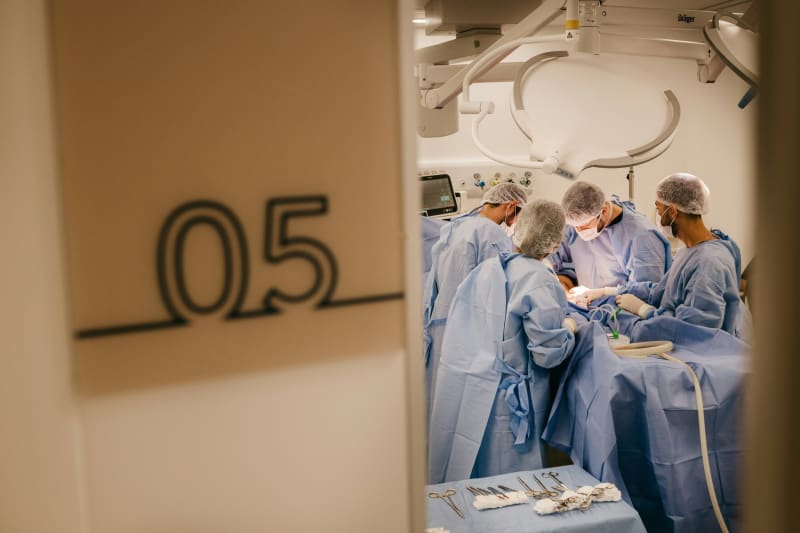
The University of Pittsburgh Medical Center saved more than $800,000 per year by using a smart scheduling model for anesthesiologists across 11 hospitals. The system slashed nearly 13 hours of daily overtime and 14 hours of idle time where doctors had nothing to do.
Researchers from UCLA, the Indian School of Business, and UPMC built a three-stage planning model that works like a chess game. Six weeks before surgeries, it assigns doctors to hospitals or puts them on call. Three days out, it repositions on-call physicians based on updated forecasts. On surgery day, it adapts to whatever actually happens.
The challenge was enormous. Surgery schedules change constantly, every doctor has different hospital credentials, and fairness rules mean you can't stick the same person on call every weekend. Traditional scheduling left hospitals paying doctors to sit idle or scrambling to cover overtime.
"Staffing anesthesiologists in a multilocation health system is extremely difficult because demand is highly uncertain even a few days before surgery," said Sandeep Rath, one of the researchers. The team solved it by treating uncertainty as part of the design, not a problem to ignore.
The Ripple Effect
The impact goes far beyond one hospital system. With healthcare costs rising and worker shortages intensifying nationwide, this approach offers a blueprint any hospital network can follow.
The model maintained fairness for doctors while improving efficiency. Nobody got stuck with back-to-back on-call shifts, and the system still generated $2,199 in net daily savings after paying on-call compensation.
The same approach could work for nurses, emergency room doctors, and other medical staff facing similar scheduling chaos. Lead researcher Kumar Rajaram noted that combining an on-call structure with data-driven planning can substantially reduce both overtime and wasted time.
UPMC's Mark Hudson said the optimized system created more predictable schedules for anesthesiologists while cutting unnecessary costs. "This model provides a blueprint for other departments and health systems facing similar operational challenges," he added.
The study, published in Operations Research, represents one of the first large-scale implementations of individual-level adaptive staff planning across multiple hospital locations. As healthcare systems nationwide wrestle with doing more with fewer resources, this kind of smart scheduling could help them survive and thrive.
More Images
Based on reporting by Medical Xpress
This story was written by BrightWire based on verified news reports.
Spread the positivity!
Share this good news with someone who needs it