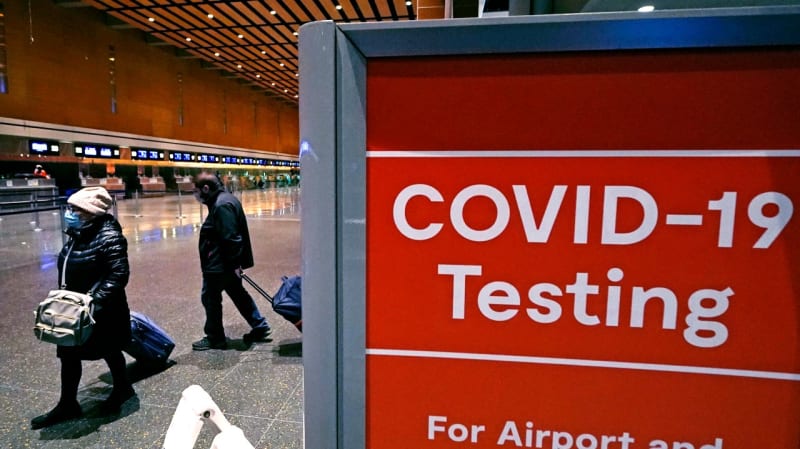
Hospitals Keep Best Pandemic Ideas, Transform Patient Care
Six years after COVID-19 changed everything, hospitals are keeping the innovations that actually helped patients. From virtual diabetes checkups to bringing ICU-level care closer to home, healthcare learned to move faster and meet people where they are.
The chaos of the pandemic forced hospitals to innovate at lightning speed, and now patients are reaping the benefits of the ideas that actually worked.
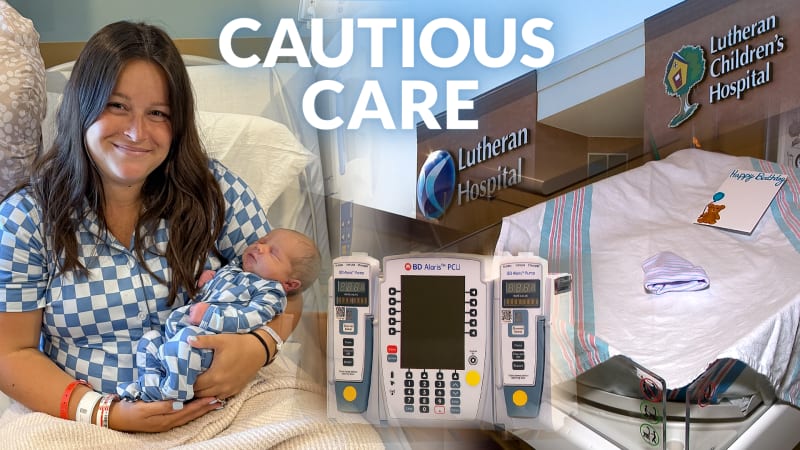
Parkview Health System in Fort Wayne, Indiana, is one of many hospitals nationwide that discovered better ways to care for people when circumstances demanded rapid change. What started as emergency adaptations have become permanent improvements that put patients first.
"A new medication, something that would have historically had months to fully implement, we learned how to do in days to weeks," said Dr. Jeff Boord, Chief Quality and Safety Officer for Parkview. That faster pace of getting helpful treatments to patients has stuck around even as the urgency has faded.
Telehealth is perhaps the most visible success story. While video visits existed before 2020, they've now become a cornerstone of modern care. Dr. Boord, who practices as an endocrinologist, now conducts roughly one in five patient appointments virtually.
For people with Type 1 Diabetes, this shift has been particularly meaningful. Doctors can now review data from glucose monitoring devices remotely, eliminating unnecessary trips to the clinic for routine checkups while keeping close tabs on patient health.
Another breakthrough came from necessity: learning to spread specialized care across more locations. When thousands of patients needed High Flow Oxygen Therapy (an intensive treatment usually reserved for ICU settings), Parkview expanded that capability to community hospitals throughout their network. Patients could get advanced care closer to home, and critical ICU beds stayed available for those who needed them most.
Hospitals also started tracking and sharing detailed data in ways they never had before. Information about bed capacity, equipment availability, and specific illness patterns now flows between individual hospitals and state health agencies like the Indiana Department of Health. This real-time picture helps healthcare systems respond faster to community needs.
The Ripple Effect
The ability to quickly scale up specialized care across hospital networks is proving valuable beyond pandemic response. When Northeast Allen County faced a small measles outbreak last spring, the infrastructure for rapid coordination was already in place.
The faster pace of implementing new treatments means patients don't have to wait months for therapies that could help them today. What used to take extensive bureaucratic processes now happens in weeks, getting people the care they need when they need it.
These improvements came at a real cost to healthcare workers who faced burnout and exhaustion. But the systems that survived that crucible are now investing in supporting their staff while keeping the innovations that genuinely serve patients better.
Healthcare will always face new challenges, but it's now better equipped to meet people where they are, whether that's at home through a screen or at a community hospital with specialized equipment that once existed only in major medical centers.
More Images


Based on reporting by Google News - Health
This story was written by BrightWire based on verified news reports.
Spread the positivity!
Share this good news with someone who needs it
%2Fhttps%3A%2F%2Ftf-cmsv2-smithsonianmag-media.s3.amazonaws.com%2Ffiler_public%2F2e%2F16%2F2e1692ce-96b5-46ed-a58d-f77d39ec4941%2Fgettyimages-2266939436.jpg)