Hospitals Now Prescribe Art Classes as Medical Treatment
Doctors are officially prescribing dance, painting, and museum visits to treat Parkinson's, depression, and chronic illness. The results are so powerful that hospitals are hiring full-time artists and writing creative activities into patient treatment plans.
When Jamie Schuler's Friday dance class breaks into a spontaneous chorus of "I Just Called to Say I Love You," most of her students are seated. Many have Parkinson's disease, but in this moment, they're not patients. They're dancers.
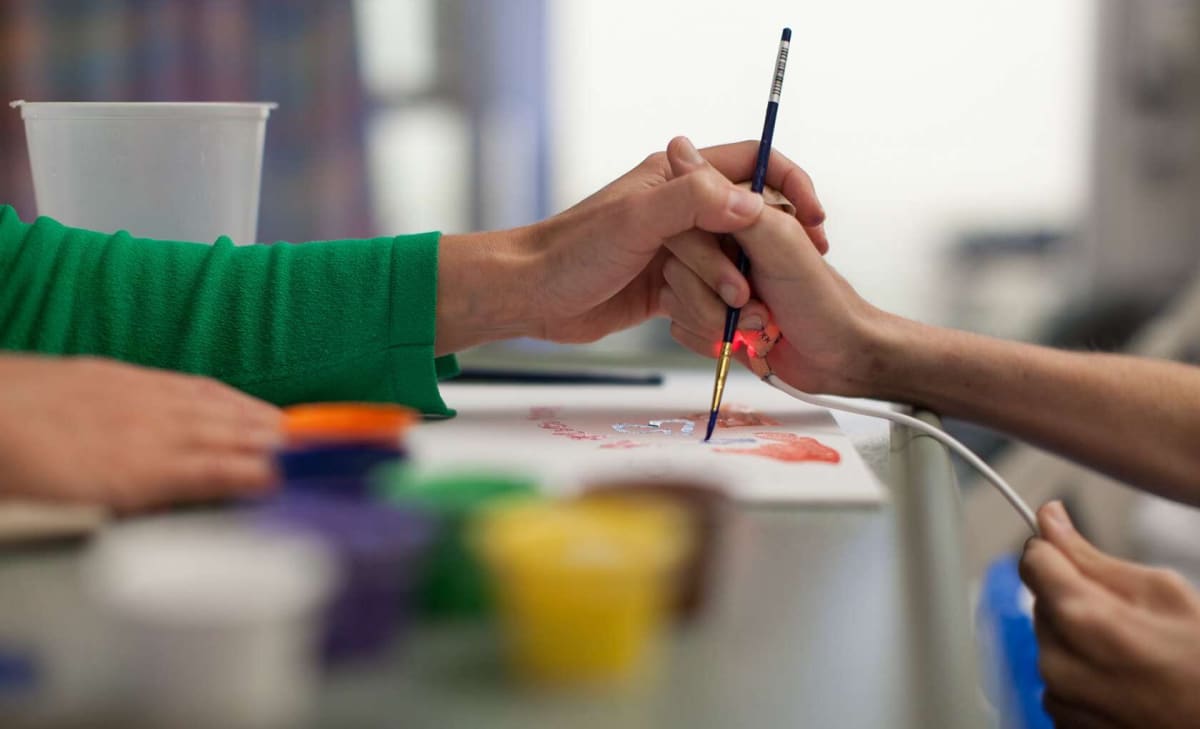
This scene in Boulder, Colorado represents something bigger happening across American healthcare. Hospitals and doctors are officially prescribing artistic activities like dance classes, painting sessions, and museum visits as legitimate medical treatments.
The shift comes from overwhelming evidence. A 2019 World Health Organization review found that arts programs help manage mental illness, neurological conditions, and chronic diseases while supporting everything from child development to end-of-life care.
The results go beyond feeling good. Research shows that arts programs actually reduce the risk of preventable diseases, which account for 74 percent of deaths worldwide.
Some of Schuler's students have progressed from seated movements to performing professionally on stage with 3rd Law dance company. The classes blend physical therapy with creative expression, helping participants improve coordination, balance, and mobility while experiencing pure joy.
Even healthy people benefit. A recent study found that just 15 minutes of mindfulness exercises in museums reduced anxiety and improved mental wellbeing among regular visitors.
Hospitals are responding by putting artists on staff. Jill Sonke, a Stanford cultural policy fellow and longtime arts and health researcher, says the evidence is clear enough that limiting arts access now causes harm.
The Ripple Effect
This movement extends far beyond individual health improvements. Arts programs reduce social isolation, which directly links to poor health outcomes. They help people understand barriers to healthcare resources and encourage healthier behaviors like movement and social connection.
The approach treats creativity not as a luxury but as essential medicine. Dance classes welcome everyone regardless of physical ability, declaring art a universal right rather than something reserved for the talented or mobile.
Doctors writing "attend painting class" or "visit museum weekly" on prescription pads represents a fundamental shift in how we understand healing. Healthcare is finally catching up to what artists have known forever: creativity is as vital to human wellbeing as nutrition or exercise.
As arts-based treatments expand from pilot programs to standard care, they're proving that medicine doesn't always come in pill bottles. Sometimes the best prescription is permission to create, move, and connect with others through beauty.
More Images
Based on reporting by Reasons to be Cheerful
This story was written by BrightWire based on verified news reports.
Spread the positivity!
Share this good news with someone who needs it