Households Sort Plastic Better Than Recycling Plants
New research from the Netherlands reveals that families who sort their own plastic waste produce cleaner, more recyclable material than high-tech sorting facilities. Countries where households separate waste achieve recycling rates above 50%, compared to just 15% where sorting happens later.
Families sorting plastic at home are beating advanced recycling machines at their own game.
A new study from Ghent University compared household-sorted plastic waste with material processed at a high-tech Dutch recycling plant. The plant uses magnetic sensors, spectroscopy, and density-based technology to separate mixed waste. Yet even the cleanest batches from the facility contained more contamination than the dirtiest batches sorted by households.
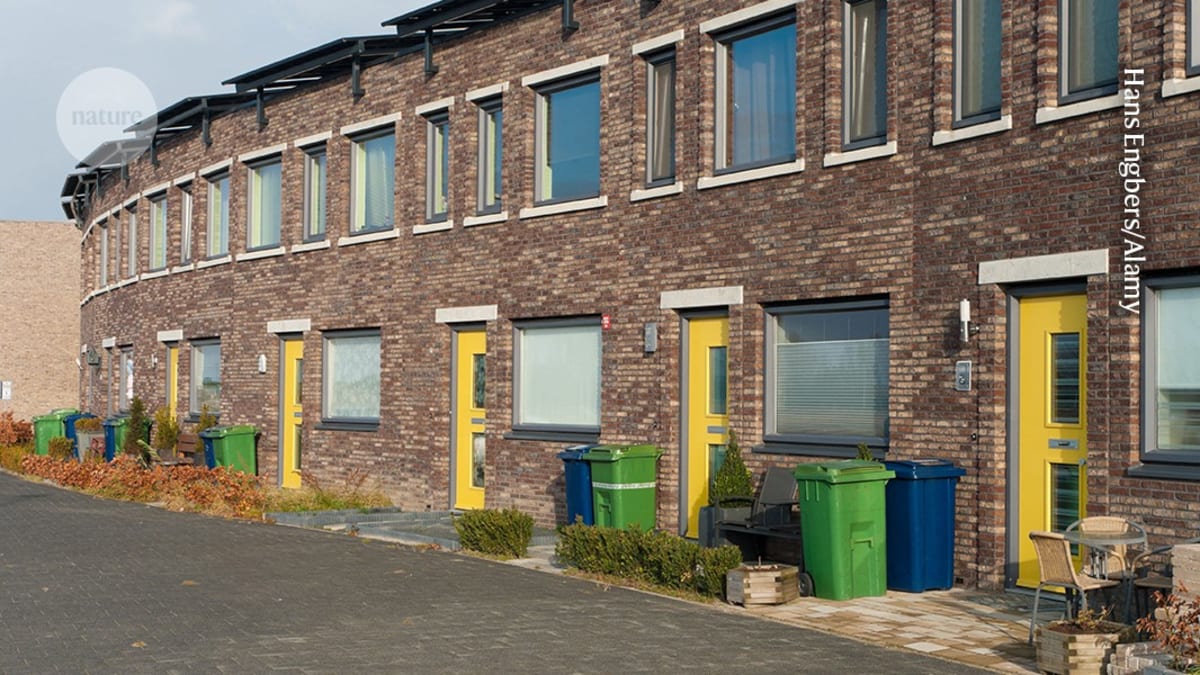
The research team examined plastic waste near Groningen in the Netherlands, where some neighborhoods sort at home while others send mixed waste to central facilities. Both methods aimed to separate the same categories, including different types of polyethylene plastics.
The difference was striking. Plant-sorted bales contained partially plastic items like toys and electrical goods with batteries still attached. Some had toxic metals including lead and cadmium. Medical plastics with chlorine showed up too, which can damage recycling equipment.
Countries proving the home-sorting approach works include the Netherlands, Belgium, and Germany. These nations all provide clear guidance about what goes where, both nationally and locally. The result? Plastic recycling rates above 50%.
Meanwhile, countries like China, Brazil, and Australia rely more on single-bin collection with later sorting. Their plastic recycling rates hover around 15%.
The Ripple Effect
The benefits of household sorting extend beyond cleaner plastic. Less contamination means easier and cheaper recycling overall. That makes the entire system more economically sustainable.
Some communities sweeten the deal with pay-as-you-throw programs. South Korea, parts of Italy, Germany, Belgium, the Netherlands, and Luxembourg charge households based on how much non-recyclable waste they produce. In Treviso, Italy, this approach helped achieve remarkably high recycling rates.
The key to success isn't just policy. People recycle for different reasons: environmental concern, social expectations, or habit. They stick with it when systems feel fair and easy to use. Complex rules or judgmental enforcement makes people give up.
Municipal authorities face real tradeoffs. Dense urban areas with high-rise buildings find post-collection sorting more practical. Cost and convenience matter too. But the research suggests that even in challenging areas, supporting household separation delivers cleaner results.
The findings arrive as United Nations treaty talks on plastic pollution prepare to restart. With the world producing over 400 million tonnes of plastic yearly but recycling less than 10%, every improvement counts.
Getting households to separate waste well creates a foundation for everything else in the recycling chain to work better.
More Images


Based on reporting by Nature News
This story was written by BrightWire based on verified news reports.
Spread the positivity!
Share this good news with someone who needs it