Houston Celebrates 25 Years of Life in Space
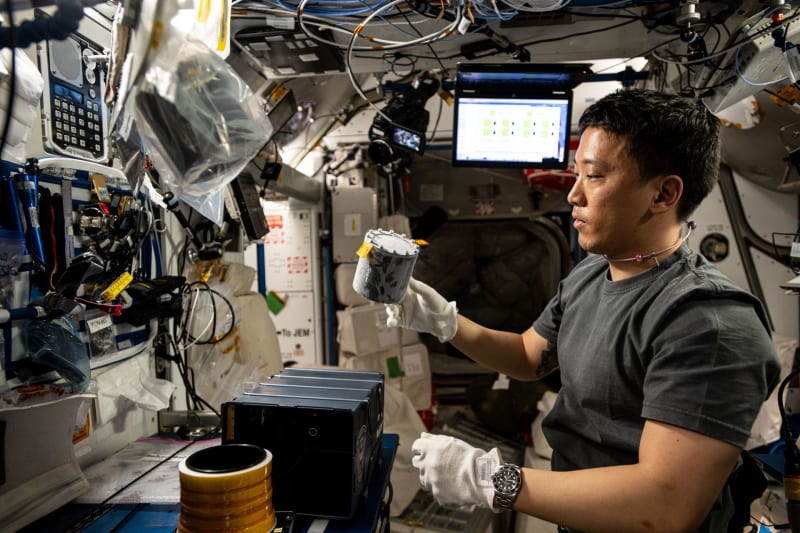
NASA's Johnson Space Center brought the magic of the International Space Station to thousands of Houston families with hands-on activities that turned complex science into pure wonder. For 25 years straight, astronauts have called the orbiting lab home.
Thousands of Houston families got to touch real spacesuits, taste astronaut food, and celebrate a milestone most of us barely notice: humans have lived in space continuously for 25 years.
NASA's Johnson Space Center and Space Center Houston hosted a community celebration on January 24, 2026, marking a quarter century since the International Space Station became humanity's first permanent home beyond Earth. Every single day since November 2000, astronauts have woken up 250 miles above our planet, conducting experiments that change life down here.
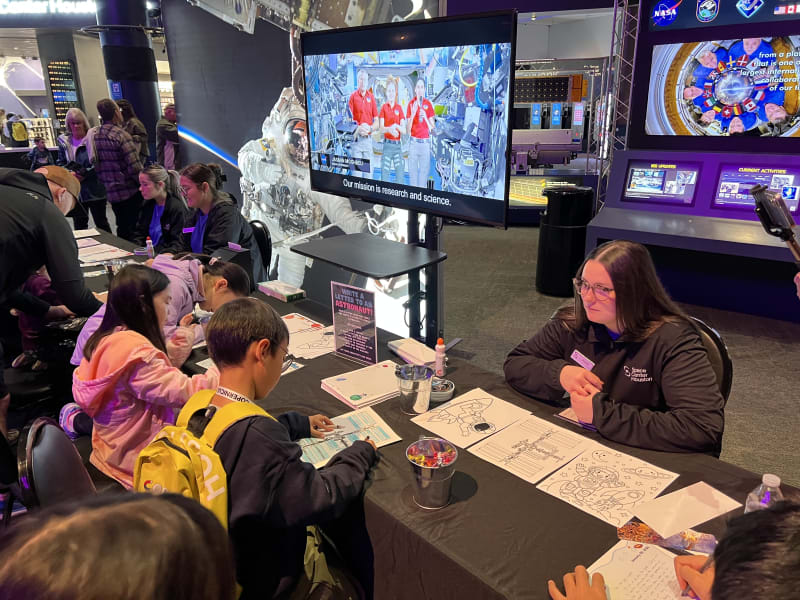
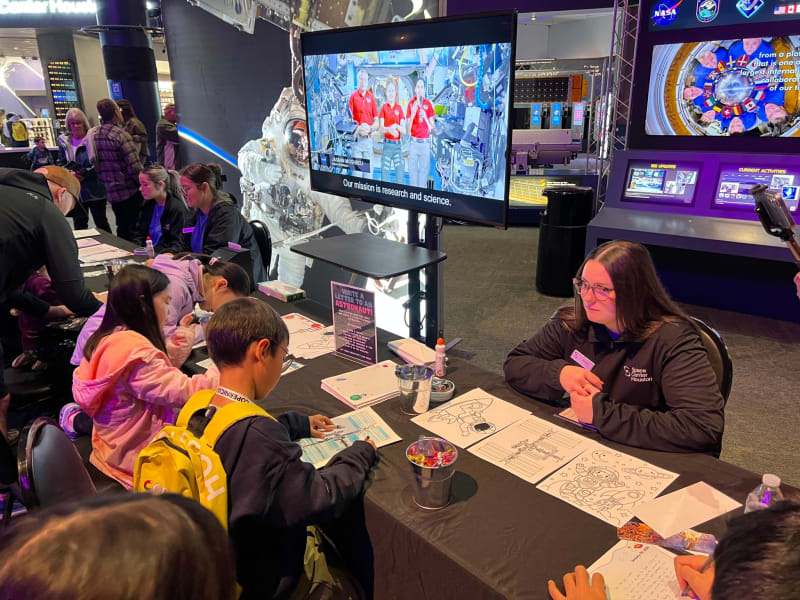
The event transformed complex space science into experiences anyone could grasp. Visitors assembled puzzles while wearing thick gardening gloves, suddenly understanding why a simple repair takes astronauts hours during a spacewalk. Kids held actual training gloves used to prepare for missions, their faces lighting up at the weight and stiffness.
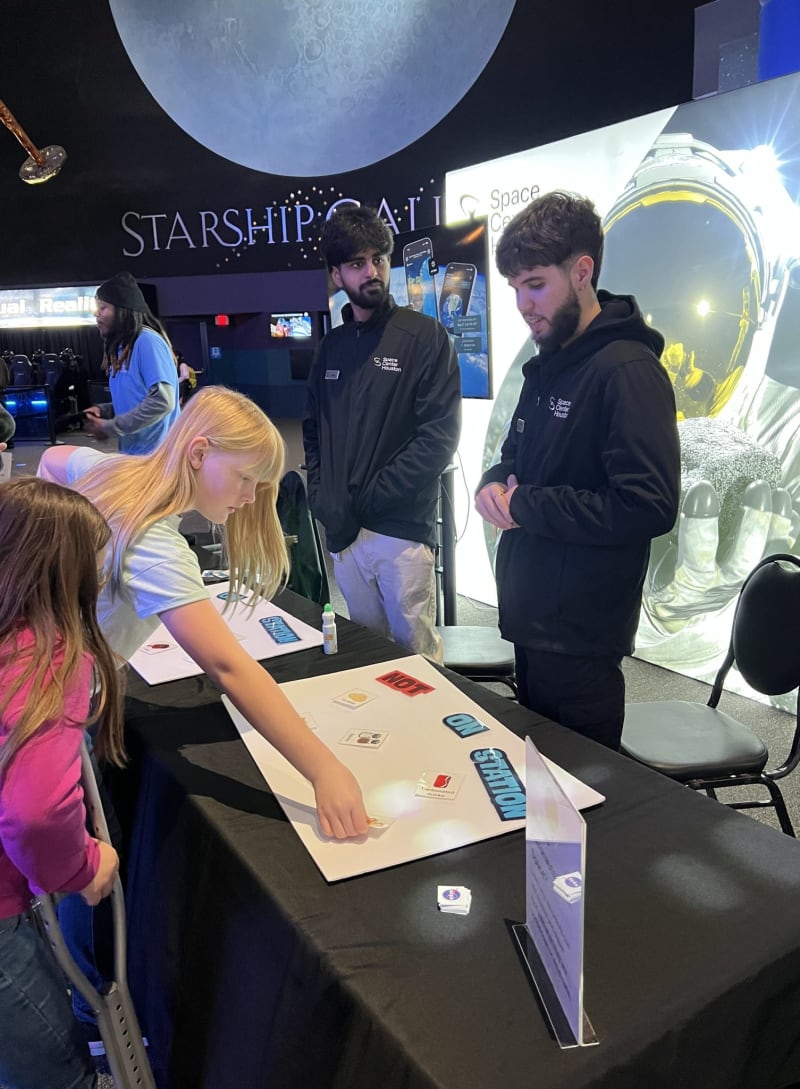
At the nutrition station, families played a guessing game about what astronauts can eat in microgravity. They learned that without gravity, your body still digests food through peristalsis, the wave-like muscle contractions that push meals through your system. It's slower in space, but your body figures it out.
Children colored pictures and wrote thank-you letters to astronauts, dropping them in a special mailbox. Some shared dreams of working in mission control someday. Others simply wrote "thank you for being brave."
Johnson Space Center employees explained how station research prepares NASA for Artemis missions to the Moon and eventually Mars. Guests who completed three activity stations earned prizes: space station activity books or 2026 calendars featuring photos from orbit.
The Ripple Effect
This wasn't just nostalgia for past achievements. The space station remains essential to every future mission NASA plans. Research conducted 250 miles up helps scientists understand how to grow food on Mars, protect astronauts from radiation during long journeys, and develop medicines that work better on Earth.
The event showed families that space exploration isn't distant or abstract. Real people work on these missions right in their city. Real science happening right now will determine whether their children can safely travel to other worlds.
Twenty-five years of unbroken human presence in space represents something profound: our species learning to live beyond our home planet. Every sunrise astronauts see from orbit (16 per day), every experiment they run, every international partnership they strengthen, builds the foundation for humanity's next chapter.
After a quarter century, the station still has more to teach us before we take our next giant leap.
More Images
Based on reporting by NASA
This story was written by BrightWire based on verified news reports.
Spread the positivity!
Share this good news with someone who needs it
%2Ffile%2Fattachments%2F2992%2F20260505_145337_754323.jpg)