Houston Fixes Space Toilet 5 Hours After Artemis II Launch
When the toilet broke an hour into the historic Artemis II moon mission, Houston engineers turned a potentially mission-ending crisis into a triumph of quick thinking and teamwork. Christina Koch became space's most important plumber for a day, and NASA's transparency about the fix reminded us that even cosmic achievements require solving very human problems.
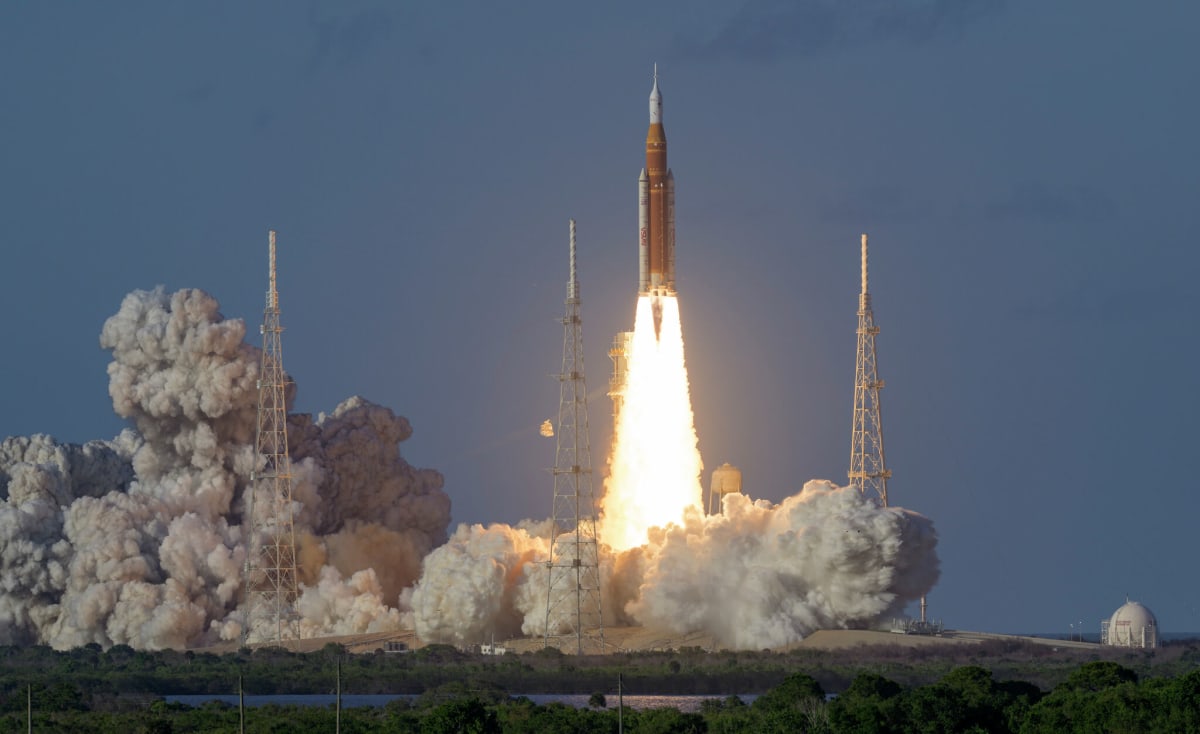
Five hours after launching toward the moon, Artemis II astronaut Christina Koch radioed Houston with news that made everyone cheer: "It worked!"
She wasn't talking about a rocket engine or navigation system. Koch had just fixed the spacecraft's toilet, and that repair might have saved the entire mission.
The trouble started just one hour after launch when Koch noticed the bathroom's urine filter was missing beads and an amber warning light was blinking. When she tried turning on the water, the whole system shut down. For a 10-day journey to the moon and back, losing the toilet isn't just inconvenient. It's mission critical.
Houston told Koch to wait while the Orion spacecraft completed an important maneuver to push it toward the moon. But after that, the toilet became priority number one.
Flight controller Amy Dill walked Koch through the repair like the world's most important tech support call. The problem turned out to be faulty electronics and water tank valves that blocked proper flow. NASA broadcast the entire troubleshooting session, complete with hushed commentary that sounded more suited to a golf tournament than a space mission.
While the toilet was down, the crew used small plastic bags called Collapsible Contingency Urinals. That's actually a huge improvement over the Apollo missions, when astronauts had no privacy and waste sometimes escaped containment. During Apollo 10, a rogue turd floated through the cabin while the crew laughed nervously and nobody claimed it.
The new Universal Waste Management System cost $23 million to develop and does something revolutionary. It uses suction in zero gravity, works for all body types, and recycles urine into drinking water. The system can even handle what NASA delicately calls "dual ops."
Why This Inspires
This story captures what makes human spaceflight so remarkable. We're sending people farther from Earth than anyone has traveled in over 50 years, breaking barriers by including the first woman and first person of color on a lunar mission. Yet success still depends on fixing a broken toilet with patience, expertise, and a sense of humor.
NASA's decision to broadcast the repair publicly shows an organization confident enough to be honest about challenges. The engineers in Houston didn't panic when the amber light started blinking. They calmly solved the problem, and Koch executed the fix perfectly while hurtling through space at thousands of miles per hour.
Space exploration often gets portrayed as superhuman, but moments like these reveal the truth. It's regular people doing extraordinary things, one problem at a time, with support from brilliant teams on the ground.
The toilet works perfectly now, and Artemis II continues its historic journey around the moon.
Based on reporting by Google News - Science
This story was written by BrightWire based on verified news reports.
Spread the positivity!
Share this good news with someone who needs it