Houston Man Cancer-Free After Liver Tumor Trial
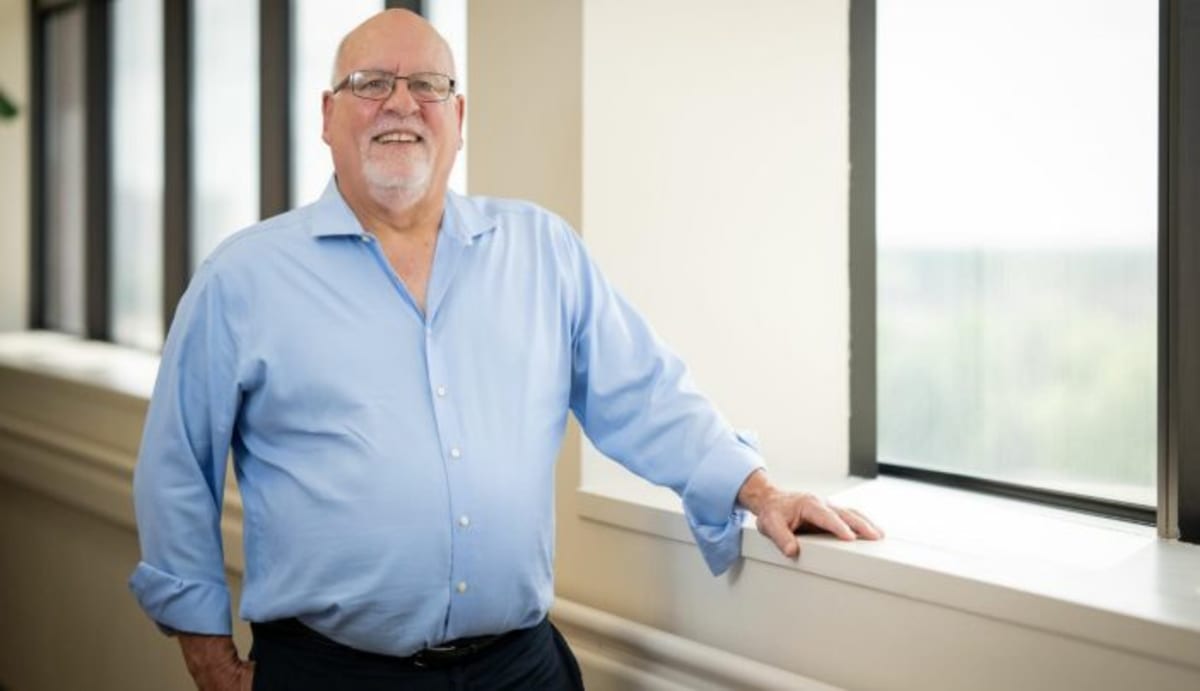
Gordon Drygalski heard "I'm going to cure you" just weeks after a liver cancer diagnosis that friends said meant certain death. Today, thanks to an immunotherapy clinical trial at MD Anderson, he's living proof that early detection and innovative treatment can defeat one of medicine's toughest cancers.
When Gordon Drygalski's doctor found a spot on his liver during a routine scan in late 2023, friends immediately told him to get to MD Anderson Cancer Center in Houston. Fifteen months later, he's cancer-free and grateful he listened.
Gordon had contacted his gastroenterologist about ulcer symptoms, expecting a quick scan to check his digestive system. Instead, the 30-minute imaging session revealed something unexpected: a tumor on his liver.
The wait for answers felt agonizing. Three weeks passed before he could get a biopsy scheduled at his local hospital, then another two weeks for the diagnosis: stage 1B hepatocellular carcinoma, the most common type of liver cancer.
His first three days at MD Anderson moved at lightning speed compared to the five-week wait he'd endured. Blood tests, full body scans, and another biopsy all happened within 72 hours, confirming the diagnosis but catching it early enough to treat.
Then came the words that changed everything. "Dr. Kaseb told me, 'I'm not here to treat you; I'm going to cure you,'" Gordon recalls. After weeks of research suggesting liver cancer meant death, hearing "cure" felt like a miracle.
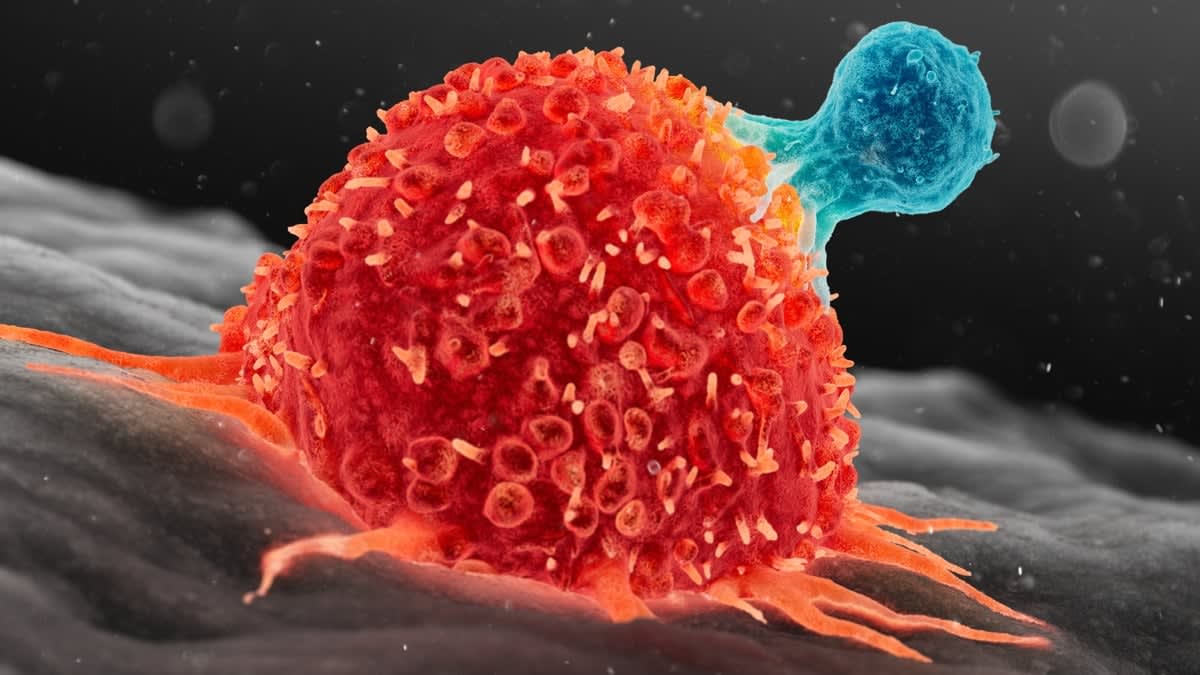
Dr. Ahmed Kaseb offered Gordon a spot in an immunotherapy clinical trial using atezolizumab and bevacizumab before surgery. The combination aimed to stop the cancer from growing and prevent it from returning, building on MD Anderson's groundbreaking work showing complete tumor elimination in liver cancer patients.
Gordon received three rounds of treatment intravenously, once every three weeks. The drugs worked exactly as hoped, shrinking the tumor and preparing him for surgery.
Dr. Hop Tran Cao performed a robotic-assisted partial hepatectomy on April 1, 2024, removing the cancerous growth through tiny incisions instead of the large cut traditional surgery would require. The minimally invasive approach meant faster healing and less pain.
Why This Inspires
Gordon's story shows how far cancer treatment has come, especially for a disease once considered nearly impossible to cure. Clinical trials aren't just experimental hopes anymore. They're delivering real cures to real people, turning death sentences into recovery stories.
The trial Gordon joined represents years of research finally paying off for patients. His doctors used cutting-edge immunotherapy to harness his own immune system against cancer, a treatment approach that didn't exist a decade ago.
Dr. Tran Cao also gave Gordon practical advice: lose 30 pounds and address the underlying conditions that likely caused his cancer, including diabetes and fatty liver disease. Gordon took it to heart, knowing prevention matters as much as cure.
The incidental finding that saved Gordon's life reminds us that sometimes the best news comes from the most unexpected places. A scan looking for ulcers found cancer early enough to beat it.
Today, Gordon tells everyone who'll listen: if you get bad news, get to a place that specializes in turning it into good news.
More Images



Based on reporting by Google News - Cancer Survivor
This story was written by BrightWire based on verified news reports.
Spread the positivity!
Share this good news with someone who needs it