How Audiobooks for the Blind Became Everyone's Favorite
The first long-playing records weren't created for music lovers. They were invented in 1932 to give blind readers access to books, and that innovation now lives on every smartphone.
When Tony Stephens lost his sight at 15, he struggled to learn braille but discovered something that changed his world. A bulky machine from the National Library Service delivered audiobooks straight to his ears, letting him "whisk away the night" exploring fiction and nonfiction while his eyes rested.
Stephens didn't know it then, but he was using technology born from a beautiful act of inclusion. In 1932, Frank L. Dyer at the American Foundation for the Blind created the "talking machine record" specifically to record book readings for blind Americans. That innovation became the blueprint for the first modern LP.
Today, Stephens works as assistant vice president for communications at the AFB, the same organization that pioneered audiobooks nearly a century ago. He sees the technology's journey as proof that designing for disability creates benefits that ripple outward to everyone.
"I think they would be excited to know that this thing they created is still not just alive, but it's on everybody's phone," Stephens told PBS. Over the last decade alone, the number of US adults who listen to audiobooks has more than doubled.
The Ripple Effect
This is what accessibility experts call the "curb cut effect." Curb cuts were designed to help wheelchair users navigate sidewalks, but now parents with strollers, delivery workers with carts, and travelers with luggage use them every day. Audiobooks followed the same path from specialized tool to universal convenience.
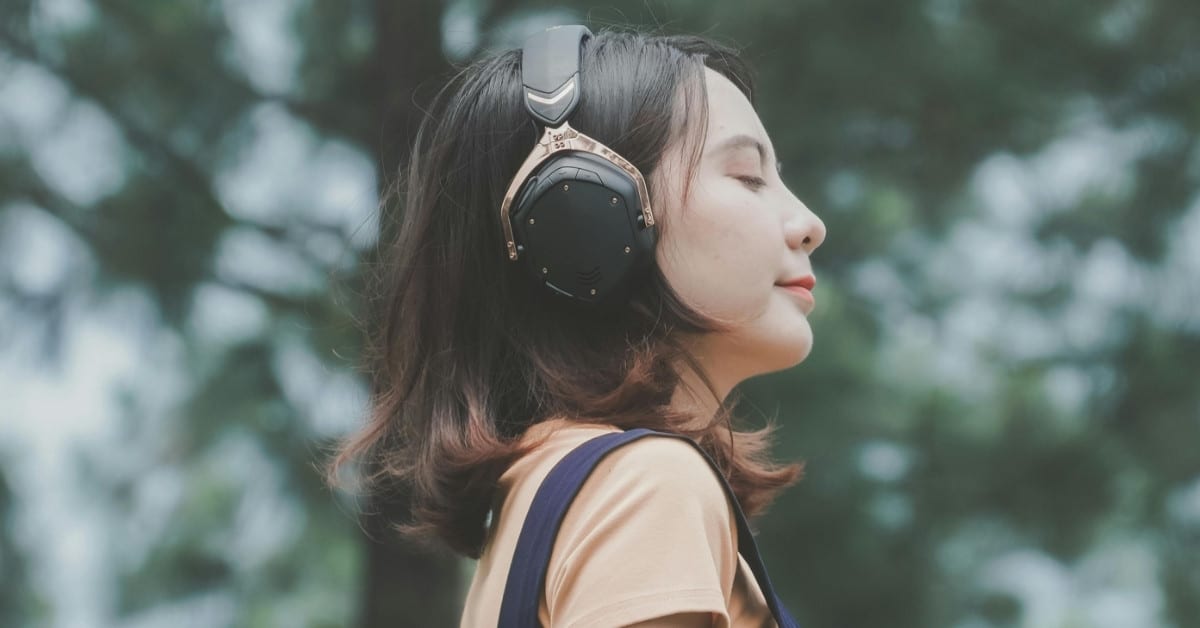
For commuters stuck in traffic, parents folding laundry, and runners logging miles, audiobooks transform dead time into learning time. The technology that once required a bulky machine now fits invisibly into our pockets, narrating stories while we move through our days.
"I think the audiobooks really represent not just a sense of equality or access, but really just a door, a door of opportunity," Stephens said. "The opportunity to learn, the opportunity to dream, the opportunity to grow, all with your eyes closed in the comfort of your own room."
What started as one community's solution to a reading barrier became something nobody knew they needed until they tried it.
More Images

Based on reporting by Good Good Good
This story was written by BrightWire based on verified news reports.
Spread the positivity!
Share this good news with someone who needs it