How Education Powers America's Volunteer Firefighters
Volunteer firefighters make up two-thirds of America's fire service, balancing full-time jobs and families while protecting their communities around the clock. Now, specialized education programs are helping these dedicated responders advance their skills and tackle increasingly complex emergencies.
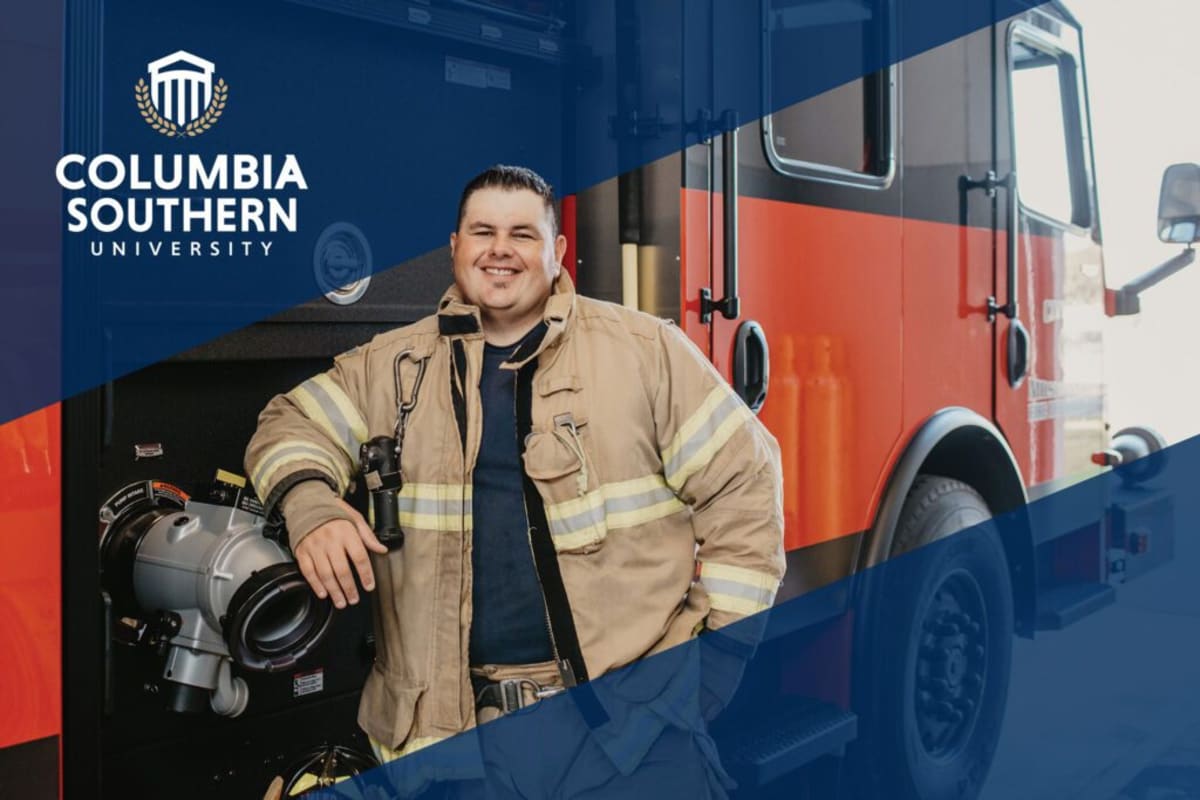
When a fire call comes in at 2 a.m., the people responding are often the same neighbors you see coaching Little League or working at the local hardware store. They're volunteer firefighters, and they make up roughly two-thirds of America's fire service, especially in rural and suburban areas.
These volunteers aren't just fighting fires anymore. They're handling vehicle accidents, hazardous materials spills, water rescues, and medical emergencies, all while juggling full-time careers and family responsibilities.
Former Chief Donald Adams, who now teaches fire science at Columbia Southern University, puts it simply: "Volunteer fire departments don't just protect their communities; they are part of the communities." That connection means faster response times, lower costs for taxpayers, and responders who know every back road and local risk by heart.
But the volunteer fire service faces real challenges. Numbers have dropped dramatically over the past decade as volunteers struggle to balance work, family, and the increasing demands of modern firefighting.
Today's emergencies look different than they did even ten years ago. Lithium-ion battery fires, alternative fuel vehicles, and new building materials require constant learning. Communities expect the same professionalism from volunteer departments that they get from full-time agencies, regardless of budget differences.
That's where education comes in. Volunteers are taking advantage of structured fire science programs that complement their hands-on training. These courses cover everything from fire dynamics and building construction to leadership and risk management.
"When you combine structured education with hands-on training, you create firefighters who can adapt quickly, think critically, and operate safely even in unpredictable environments," Adams explains. The approach is working because it meets volunteers where they are, recognizing their time constraints while helping them grow.
Former Chief Dan Gaumont notes that volunteer leadership needs innovative management skills to improve recruitment and retention. Education often transforms hesitant new recruits into dependable responders and future leaders.
The Ripple Effect goes beyond individual firefighters. When volunteers gain advanced skills, their entire department becomes more capable. Better-trained responders mean safer outcomes for everyone, from the people they're rescuing to the teammates working beside them.
These programs also open doors for volunteers who want to transition into career firefighting roles. The discipline and accountability they've already developed through years of service, combined with formal education, creates a natural pathway to professional advancement.
Communities across America continue to depend on volunteers who give their time freely, driven by responsibility rather than paychecks. As these dedicated men and women add education to their toolkit, they're ensuring that help will arrive when it's needed most, no matter what the emergency looks like.
More Images
Based on reporting by Google News - Firefighter Rescues
This story was written by BrightWire based on verified news reports.
Spread the positivity!
Share this good news with someone who needs it