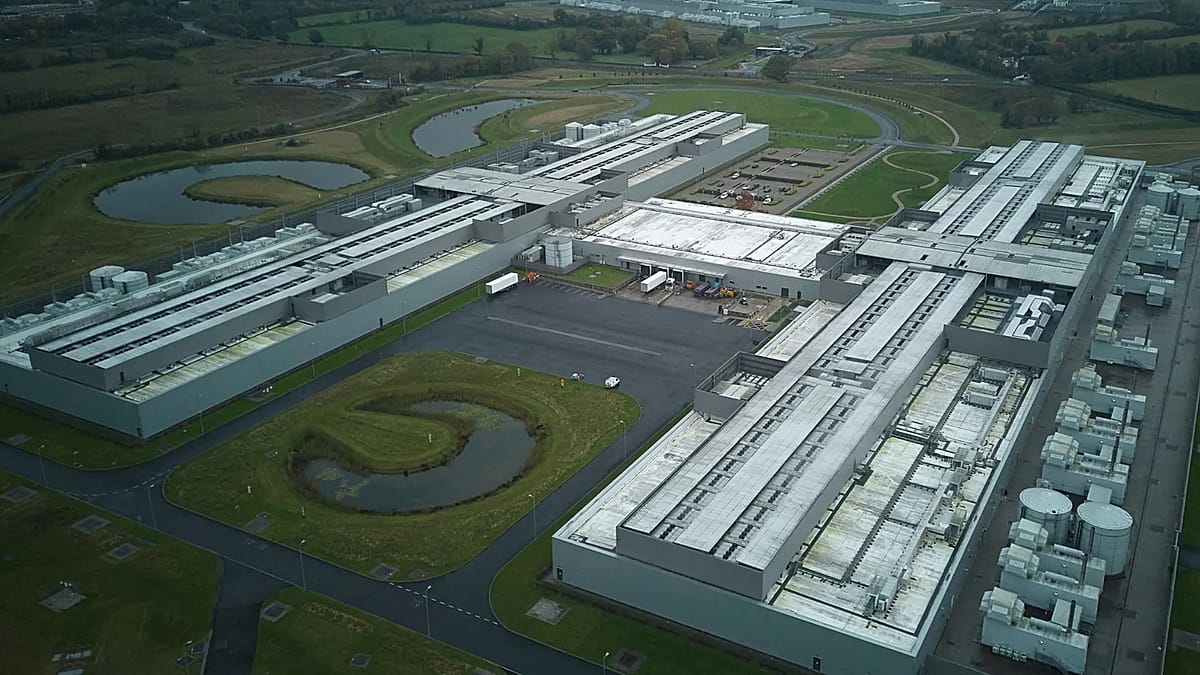
How Ford Turned a Slaughterhouse Visit Into Car Revolution
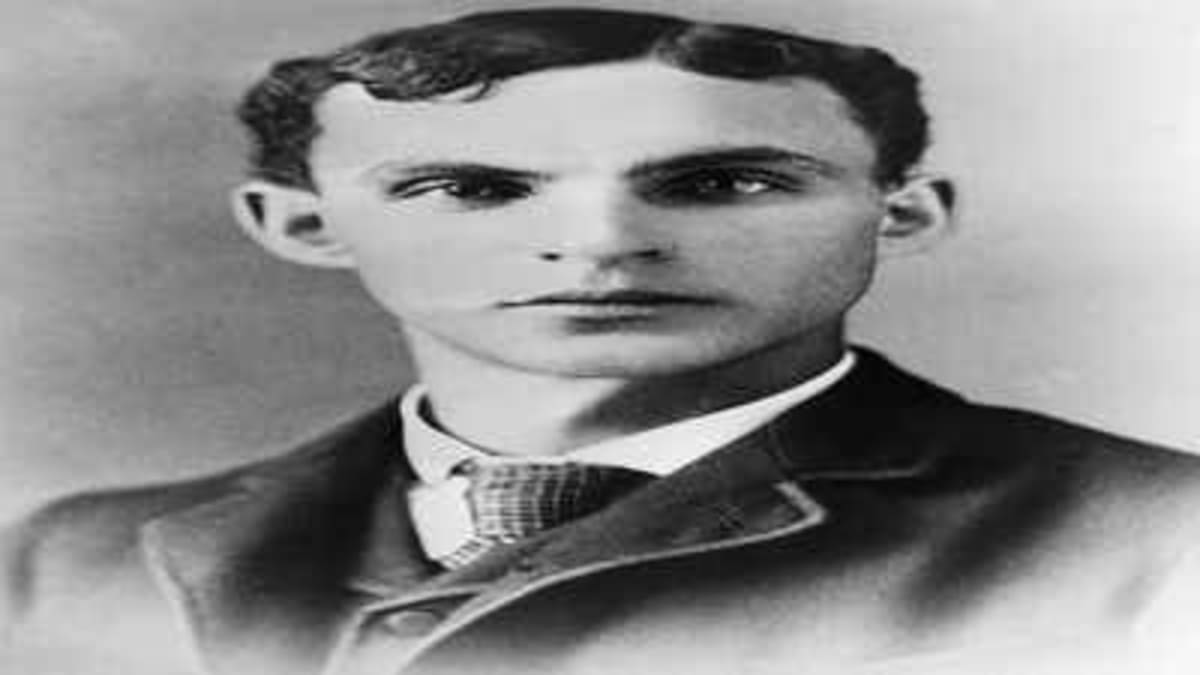
Henry Ford didn't invent the assembly line in isolation. He found the idea in an unlikely place: a Chicago meatpacking plant where workers disassembled carcasses in stages.
The story of Henry Ford's assembly line isn't the lone-genius tale we learned in school. It's actually a story about curiosity, cross-industry thinking, and the power of looking beyond your own field.
In the early 1900s, Ford and his team weren't just tinkering with cars. They were studying factories, grain elevators, breweries, and yes, meatpacking plants in Chicago.
What could a car manufacturer possibly learn from butchers? Everything, it turns out.
At the meatpacking plants, Ford watched workers stand in place while animal carcasses moved past them on hooks. Each worker performed one specific cut, over and over. The process was disassembly, not assembly, but Ford saw the genius in the repetition and flow.
The leap from taking things apart to putting them together became revolutionary. Instead of teams gathering around a stationary car, Ford reversed the equation: the car would move to the workers.
This wasn't a simple copy-paste job. Ford's engineers adapted principles from multiple industries, combining conveyor systems from grain elevators with gravity slides from breweries. They created something entirely new from borrowed ideas.
The results transformed manufacturing. Workers no longer wasted time walking between stations or hunting for tools. Production became predictable, efficient, and scalable in ways the world had never seen.
The Ripple Effect
Ford's meatpacking plant visit didn't just change how cars were made. It changed how the world thought about manufacturing everything.
The assembly line made cars affordable for ordinary families, not just the wealthy. It showed that solutions to problems in one industry often already exist in completely different fields.
Today, the same principles Ford borrowed show up everywhere: fast food kitchens, electronics manufacturing, even software development workflows. The idea of breaking complex tasks into simple, repeatable steps revolutionized modern life.
Ford's real genius wasn't inventing something from nothing. It was recognizing that a Chicago butcher shop held the key to making transportation accessible to millions.
Sometimes the biggest breakthroughs come from simply paying attention to how other people solve problems.
More Images



Based on reporting by Times of India - Good News
This story was written by BrightWire based on verified news reports.
Spread the positivity!
Share this good news with someone who needs it