How Google Maps Saved a Driver From a $65 Parking Fine
A retired nurse used her phone's GPS history to prove a parking camera got it wrong. Her victory is sparking change in how companies handle disputed fines.
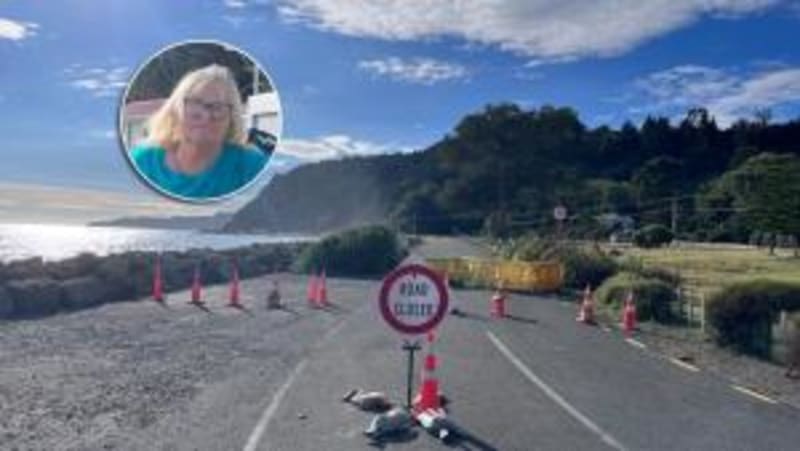
When Jill Gardiner got a $65 parking fine claiming she'd overstayed at a Nelson shopping center, she knew something was wrong. She'd been at an appointment with her 88-year-old uncle during the time the cameras said she was parked.
The 65-year-old retired nurse tried explaining to Wilson Parking that she'd actually visited the car park twice that day on January 28. The company's cameras had recorded her first entry but paired it with the wrong exit, completely missing her second visit.
Wilson's enforcement team rejected her explanation. They told her "there do not appear to be any other factors" that would make the fine unreasonable, and considered the matter closed.
That's when Gardiner's son Jonathan had a breakthrough idea. He opened Google Maps on his mother's phone and pulled up the GPS timeline feature, which tracks your movements throughout the day.
The technology showed exactly what Gardiner had been saying all along. The GPS data clearly displayed her driving into the car park, leaving, and then returning later that same day.
After she sent the screenshots, Wilson canceled the breach notice. However, they still didn't acknowledge the error, claiming only that she was a "genuine customer."
The Ripple Effect
Since Stuff first reported on parking camera errors in Nelson, drivers from across New Zealand have come forward with similar stories. Many say they've had to dig up GPS logs or surveillance footage from other locations just to prove the cameras were wrong.
The problem isn't limited to one company either. Multiple parking enforcement firms have been issuing breach notices based on faulty camera data.
Atlas Enforcement, another parking company, told Stuff they're now doing daily audits of camera data before sending out fines. They say they're "continuously working to improve our systems."
Wilson Parking admits their license plate recognition technology can't achieve 100% accuracy in real world conditions. Weather, lighting, vehicle speed, and how number plates are positioned can all affect results.
But Gardiner thinks that's not good enough. "I shouldn't have had to dig this deep to prove I wasn't there," she said.
The silver lining? More people now know their phones contain a powerful tool for proving where they've been. Google Maps' timeline feature, which many users don't even know exists, could save others from paying fines they don't deserve.
Technology created this problem, but in Gardiner's case, better technology solved it.
More Images



Based on reporting by Stuff NZ
This story was written by BrightWire based on verified news reports.
Spread the positivity!
Share this good news with someone who needs it