How Israel Built a Tech Hub From a Single Computer
In the 1950s, Israel spent 20% of an institute's budget on one computer. That bold decision sparked a chain reaction that built one of the world's most innovative tech ecosystems.
A single computer purchase in 1950s Israel helped create a technology powerhouse that now drives entire industries worldwide.
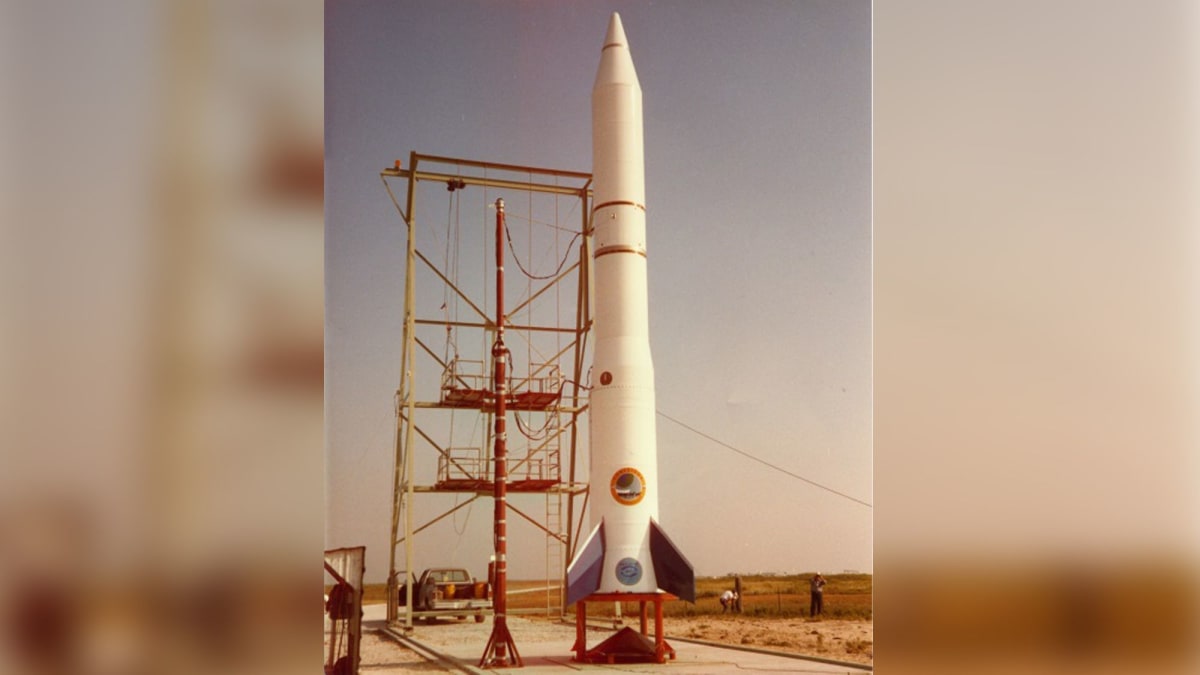
When the Weizmann Institute agreed to spend roughly one-fifth of its entire budget building a computer from scratch, it seemed like a gamble. Mathematician Chaim Pekeris needed the machine for his research after moving from Princeton, so the institute took the leap.
That computer became more than a research tool. The Israeli army gained access to it for ballistic calculations and programmer training, experience that led to the creation of the Mamram military computer unit by the late 1950s.
Historian Meir Valman traced this story in his book "The Network Effect: The Origins of Israel's High Tech." He found that Israel's tech success came not from one military unit or company, but from universities, the military, private business, venture capital, and international connections all working together.
Academic institutions founded before Israel became a state played a crucial role. The Technion's Faculty of Electrical Engineering, especially its microelectronics lab from the late 1960s, trained generations of specialists who would shape the industry.
The military's Atuda program funded university education for talented students before their service began. These graduates entered the army already trained in electronics and engineering, gained leadership experience solving complex problems, then launched tech companies after completing their service.
Uzia Galil started Israel's first private tech company, Elron, from his apartment in Haifa. After serving in the navy working with radar systems and studying in the United States, he brought back a model of how military, universities, and business could cooperate.
Intel's arrival in Israel in 1974 opened new doors for engineers. Israeli specialists who worked abroad and returned home brought professional connections, knowledge, and networking skills that accelerated growth.
Why This Inspires
Despite war, international pressure, and some companies reducing operations, Israel's tech sector keeps growing in employees, startups, and contribution to GDP. The country is now betting on biotechnology, medical devices, and pharmaceuticals as its next frontier, with women making up the majority in many university science specialties since the 1990s.
From one computer to a thriving innovation ecosystem, Israel's story shows how bold investments in education and collaboration can transform a nation's future.
More Images



Based on reporting by Google News - Israel Technology
This story was written by BrightWire based on verified news reports.
Spread the positivity!
Share this good news with someone who needs it