How Lesotho's Garment Workers Stitched Prosperity
Thousands of women in landlocked Lesotho transformed their small nation into one of Africa's top garment exporters, proving that opportunity plus determination creates real change. Their story shows how focused government support and hard work can lift entire communities.
Tokelo Thabane smiles every time she walks past Redbat jeans in shopping malls because she knows something most shoppers don't: those expensive denims were stitched by her hands and those of thousands of other Basotho women. She left her rural home in Botha-Bothe searching for work, and ten years later, she's one of the most experienced employees at Global International garment factory.
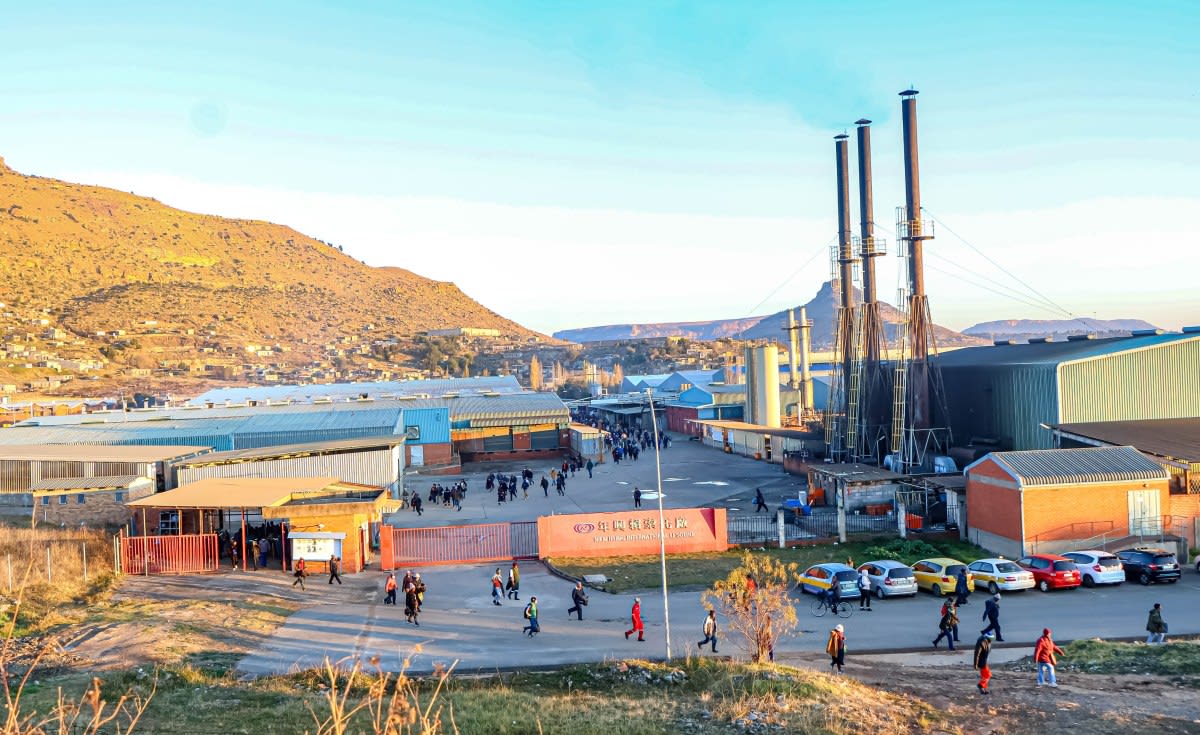
Her journey mirrors a national transformation. At the turn of the millennium, landlocked Lesotho's economy depended mainly on subsistence farming and remittances. Within just a few years, the country's textile workforce exploded from 17,000 to 54,000 workers, making garments the nation's largest private employer and turning Lesotho into one of Africa's top apparel exporters.
The catalyst was the African Growth and Opportunity Act, which gave qualifying African countries duty-free access to US markets. But former Trade Minister Mpho Malie insists the trade agreement alone didn't create the miracle: "AGOA created the opportunity. We created the system."
That system started with discipline. Every Wednesday morning at precisely 7:00 AM, the Ministry of Trade boardroom doors closed. Anyone arriving late stayed outside, no exceptions.
Inside sat an unlikely alliance: the trade minister, utility executives, immigration officials, bankers, factory owners, and union representatives. For one hour every week, politics disappeared and problem-solving took over, with every discussion focused on one question: What's preventing our factories from growing?
"That boardroom was a war room of intention to grow Lesotho's industries," Malie recalls. Each problem had someone responsible for fixing it, and the government wanted answers, not explanations. Factories needed reliable electricity, efficient work permits, access to foreign currency, and responsive institutions.
The approach worked. Taiwanese investors began recommending Lesotho to international partners because problems got resolved quickly. The country won a $100 million denim investment despite competition from neighboring nations.
By 2020, textiles contributed about 19% of GDP and accounted for roughly 60% of Lesotho's exports during peak years. The sector dramatically expanded women's formal employment opportunities in a country where such jobs had been scarce.
For workers like Marethabile Qhooa, who left rural Mafeteng believing the capital offered possibilities unavailable in the countryside, factory employment brought dignity despite modest wages. "As little as it was, it changed my life," she says. "There was dignity in knowing I could provide for my family."
Somafi Nyofane, a seven-year quality control veteran, feels pride in work that remains invisible to most consumers. "Many people don't know that their jeans are assembled and stitched by the hands of Basotho women and men," she says.
The Ripple Effect
The Wednesday morning meetings created more than jobs. They demonstrated that when government, business, and labor unite around shared goals, breakthrough results follow. Small countries without natural resources can compete globally through discipline, coordination, and focus.
The model attracted manufacturing investment that supported extended families across rural Lesotho. Women who had never heard of trade policy became its greatest beneficiaries, earning wages that fed children, paid school fees, and created stability.
The industry faces new challenges today. COVID-19 pandemic disruptions, shifting global demand, and trade uncertainty reduced employment from 51,325 workers in 2020 to 34,151 in 2024. But Lesotho is adapting again, focusing on building domestic value and moving up global supply chains rather than simply attracting factories.
For Thabane, the work continues to matter: her budget supports multiple families, and every pair of jeans represents skills she's mastered and dignity she's earned.
Based on reporting by AllAfrica - Headlines
This story was written by BrightWire based on verified news reports.
Spread the positivity!
Share this good news with someone who needs it