How Minnesota Journalists Won Back Community Trust
After years of harmful coverage, Black communities in Minneapolis and Saint Paul are learning to trust local journalists again. The secret? Time, humility, and an ethic of love.
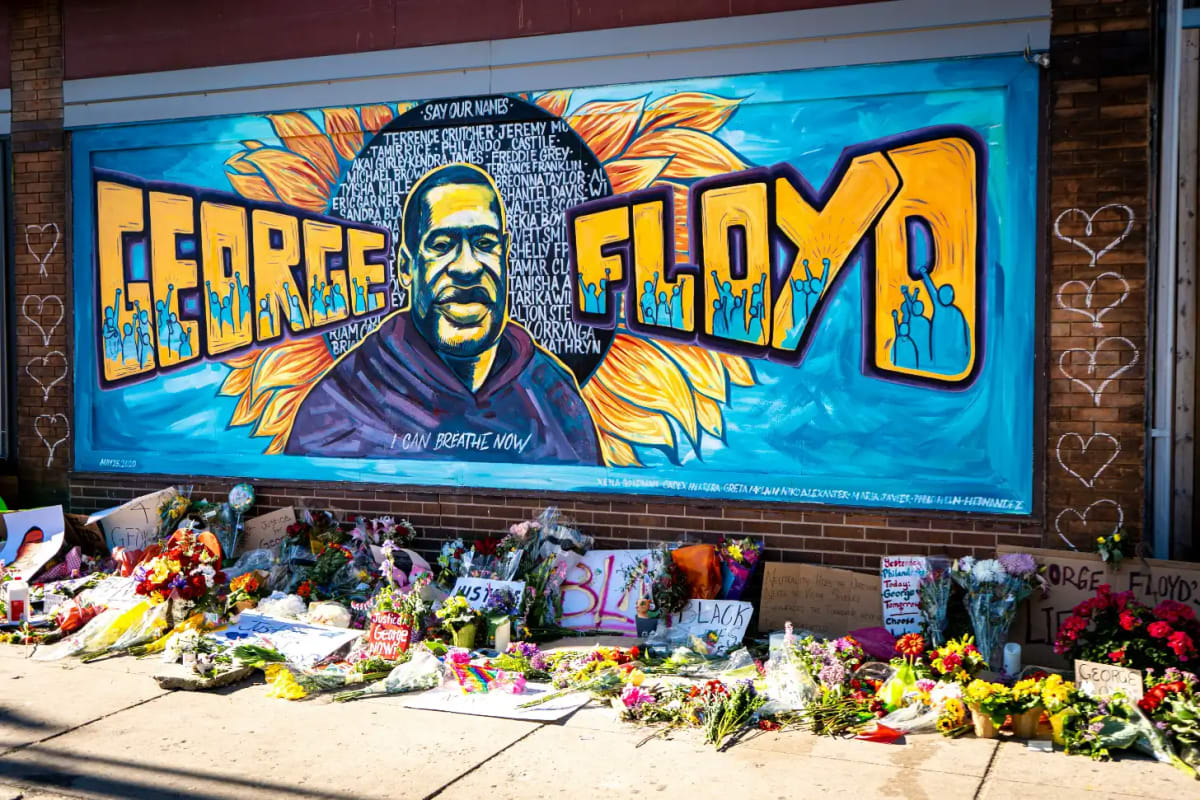
In the two years after George Floyd's murder, something remarkable happened in Minneapolis and Saint Paul. Black community members who had long turned away from mainstream media started trusting journalists again.
Researchers wanted to know why. They surveyed over 100 Black residents in 2022, asking who they trusted to tell them the news. While news organizations weren't the top answer, many journalists got named, including those at mainstream outlets.
The research team interviewed 17 of these trusted journalists to learn their secret. What they found challenges everything we think we know about rebuilding trust.
The journalists embraced what Black feminist scholar bell hooks called an "ethic of love." That means weaving together care, commitment, responsibility, knowledge, and respect in every interaction.
But trust wasn't just about what journalists did. Community members had to take a leap too. They chose to engage instead of saying "no comment." They shared their stories openly. They offered critical feedback when coverage missed the mark and affirming support when it got things right.
Two practices stood out among trusted journalists: diligence and deference. Diligence meant showing up long after the cameras stopped rolling. One journalist stayed at a protest hours after his story ended. Another covered the same public safety beat for years until everyone knew his name by heart.
These journalists rode public transportation with residents. They became regulars at local shops. They attended community events on their days off, proving they cared about people, not just headlines.
Deference meant honoring boundaries without question. When someone said no pictures, cameras pointed elsewhere, even in public spaces. When elders asked for silence, journalists listened.
Most importantly, these journalists dropped the assumption that they already knew the story. They practiced intentional humility. They let community members tell their own stories in their own words.
The Ripple Effect
This approach is already spreading beyond Minnesota. Journalism schools are studying these practices. News organizations are rewriting their community engagement guidelines. What started as a way to heal one community after tragedy is becoming a blueprint for how journalism can serve everyone better.
The lessons prove that trust isn't something journalists can demand or communities can withhold forever. It's something both sides build together, one conversation at a time.
For the journalists involved, this work fulfills journalism's democratic promise to truly serve and inform the public.
More Images


Based on reporting by Good Good Good
This story was written by BrightWire based on verified news reports.
Spread the positivity!
Share this good news with someone who needs it