How One Chennai Theatre Lit Up the Movie Dream for Thousands
Before the western suburbs of Madras had paved roads or streetlights, National Theatre brought modern cinema magic to a neighborhood surrounded by mango groves and farmland. One contractor who started by fixing government plumbing built it into a beacon of entertainment that connected thousands to Tamil cinema's golden age.
When darkness fell over Virugambakkam in the 1960s, residents walked through thorny bushes and unpaved paths toward a singular light: National Theatre, a modern cinema rising from what was still mostly jungle and agricultural fields.
The western suburbs of Madras looked nothing like today's bustling Chennai. Virugambakkam was dotted with small lakes, stretches of farmland, and scattered mango groves. Basic infrastructure barely existed, and after sunset, no streetlights guided the way.
Ravi Subramanian remembers the trek from his home in Arumbakkam to catch a film. "The pathway to National Theatre was through semi-jungle-like vegetation, consisting of thorny bushes," he recalls from his current home in Adelaide, Australia. "Occasionally, stray dogs would bark at strangers walking along the paths."
Before National Theatre arrived, locals watched movies at "Touring Talkies," temporary tent theaters where working-class families sat on sand-covered floors. National Theatre represented something dramatically better: proper seating, quality acoustics, a Perlex panoramic screen, and a Bauer B.14 Klang sound system.
The timing couldn't have been better. The Kodambakkam-Vadapalani-Saligramam belt was emerging as the heart of Tamil cinema, home to major studios like AVM, Vijaya-Vauhini, and Prasad. As film industry workers and families moved into the area, National Theatre became their gathering place.
Behind this cultural landmark stood N. Munusamy Mudaliar, who started his career in the early 1940s as a maintenance worker repairing plumbing lines in government buildings, including Raj Bhavan. He took that humble beginning and built National Company, which became a registered PWD contractor by 1954.
His company eventually constructed and operated two theaters: one in Tambaram and National Theatre in Virugambakkam. Both were built by his own construction firm, showing how far he'd traveled from fixing pipes.
The Ripple Effect
National Theatre didn't just show movies. It gave rural communities their first taste of modern entertainment infrastructure and helped transform Virugambakkam from farmland into an urban neighborhood. As more families arrived, drawn partly by access to culture and entertainment, the entire area developed around it.
Long-time resident G. Ramakrishnan watched the transformation unfold after Virugambakkam joined the Madras Corporation in the late 1970s. What started as scattered homes between mango groves became a thriving suburb, with National Theatre standing at its heart on Arcot Road.
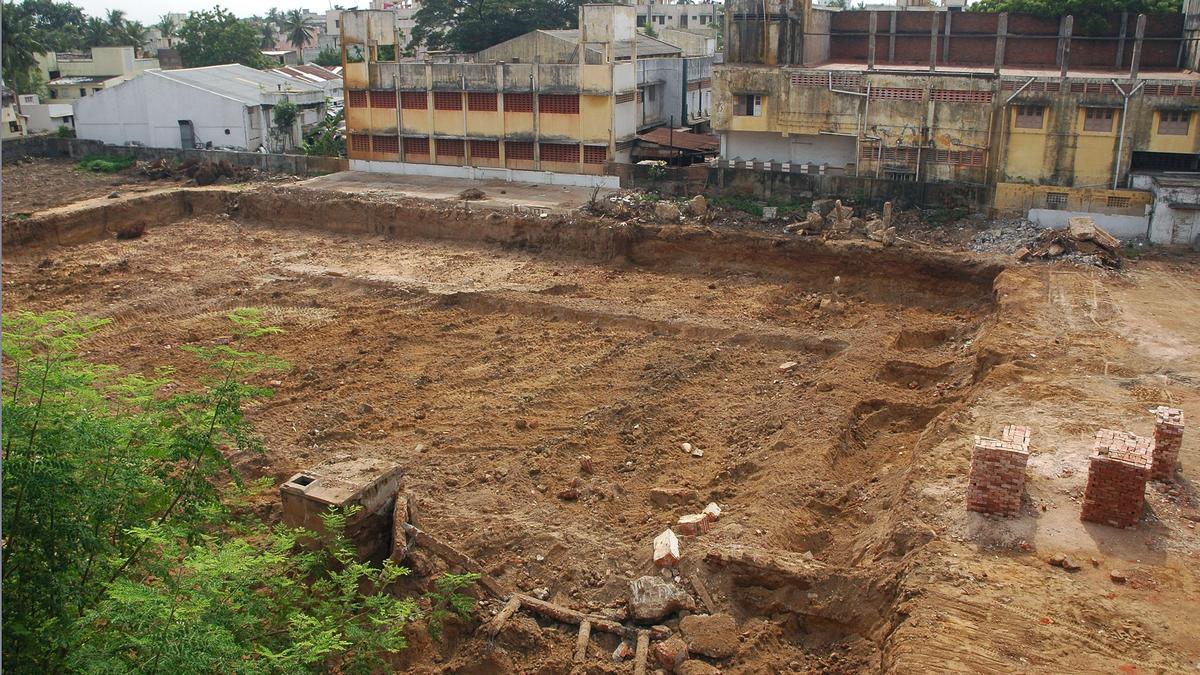
Today, the site hosts Chandra Metro Mall, but the memory of that pioneering theater lives on in the stories of those who walked through darkness to reach the light of cinema.
Based on reporting by The Hindu
This story was written by BrightWire based on verified news reports.
Spread the positivity!
Share this good news with someone who needs it