How One Clinic in Haiti Helped Save 26 Million Lives
A radical experiment in rural Haiti proved HIV treatment could work anywhere, leading to PEPFAR—a program that has now saved 26 million lives. Partners In Health has spent decades building and defending this lifesaving legacy.
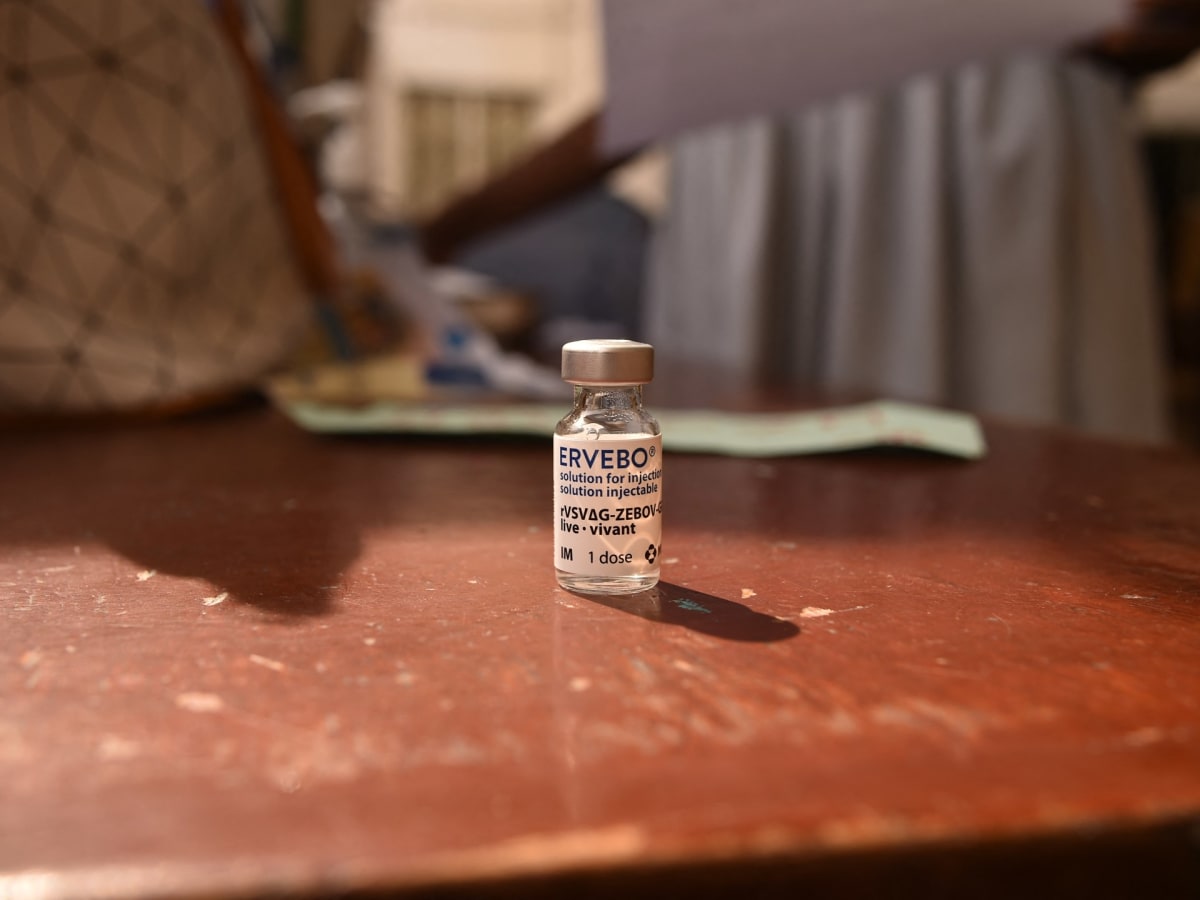
In 1998, a small clinic in Cange, Haiti, started doing something experts called impossible: treating AIDS patients with the same cutting-edge medications available in New York and Paris, completely free of charge.
At the time, most global health experts believed poor countries couldn't handle complex HIV treatment. Partners In Health (PIH) set out to prove them wrong.
The HIV Equity Initiative became one of the first projects in the world to successfully deliver antiretroviral therapy in a rural, impoverished setting. Patients thrived, defying every low expectation.
Those results caught the attention of the White House. In 2002, PIH co-founder Dr. Paul Farmer presented the Haiti findings to Dr. Anthony Fauci and other officials, showing that HIV care was possible anywhere with the right support.
One year later, President George W. Bush announced PEPFAR, the President's Emergency Plan for AIDS Relief. His words captured the moment: "Seldom has history offered a greater opportunity to do so much for so many."
Since 2003, PEPFAR has saved 26 million lives and prevented millions of HIV infections across the globe. The program has enjoyed rare bipartisan support for over two decades.
PIH has remained deeply involved in shaping and defending the program. In 2007, Dr. Joia Mukherjee testified before Congress during a critical reauthorization, urging lawmakers to strengthen entire health systems, not just address the crisis.
"I urge you to build on the successes of PEPFAR," Mukherjee told the Committee on Foreign Affairs, framing it as "the beginning of a movement to strengthen health systems."
Since 2018, PIH Engage—a grassroots network of volunteer organizers—has advocated annually to sustain PEPFAR funding. Their efforts helped keep funding steady or growing for years.
But in 2025, the program faced its biggest threat yet. The Trump administration froze funding, terminated 65 percent of USAID PEPFAR programs, and proposed massive cuts to foreign aid.
PIH leaders from Zanmi Lasante, Haiti's main PEPFAR implementer, returned to Congress in 2025 to defend the program they helped create. Dr. Alain Casseus reminded lawmakers of what was at stake: "Every line item in the budget, there is a person, a patient, a nurse, a family."
The Ripple Effect
What started as a radical idea in rural Haiti transformed global health policy. PIH didn't just implement programs—they provided the evidence that massive, lifesaving change was possible.
Their work proved that where you're born shouldn't determine whether you live or die from a treatable disease. That simple conviction sparked a program that has touched 26 million lives and counting.
The fight to protect PEPFAR continues, but the model remains clear: when healthcare providers listen to patients and refuse to accept inequality, the impossible becomes real.
Based on reporting by Google News - Health Breakthrough
This story was written by BrightWire based on verified news reports.
Spread the positivity!
Share this good news with someone who needs it