How One Tiny Bird Could Save America's Dying Salt Lakes
A new book reveals how scientists are using lessons from a miraculous lake rescue in California to save vital ecosystems across the American West. Even unlikely allies are joining the fight to restore these forgotten natural treasures.
When Caroline Tracey first saw salt lakes dotting the American West, she thought they looked ugly and useless. She couldn't have been more wrong.
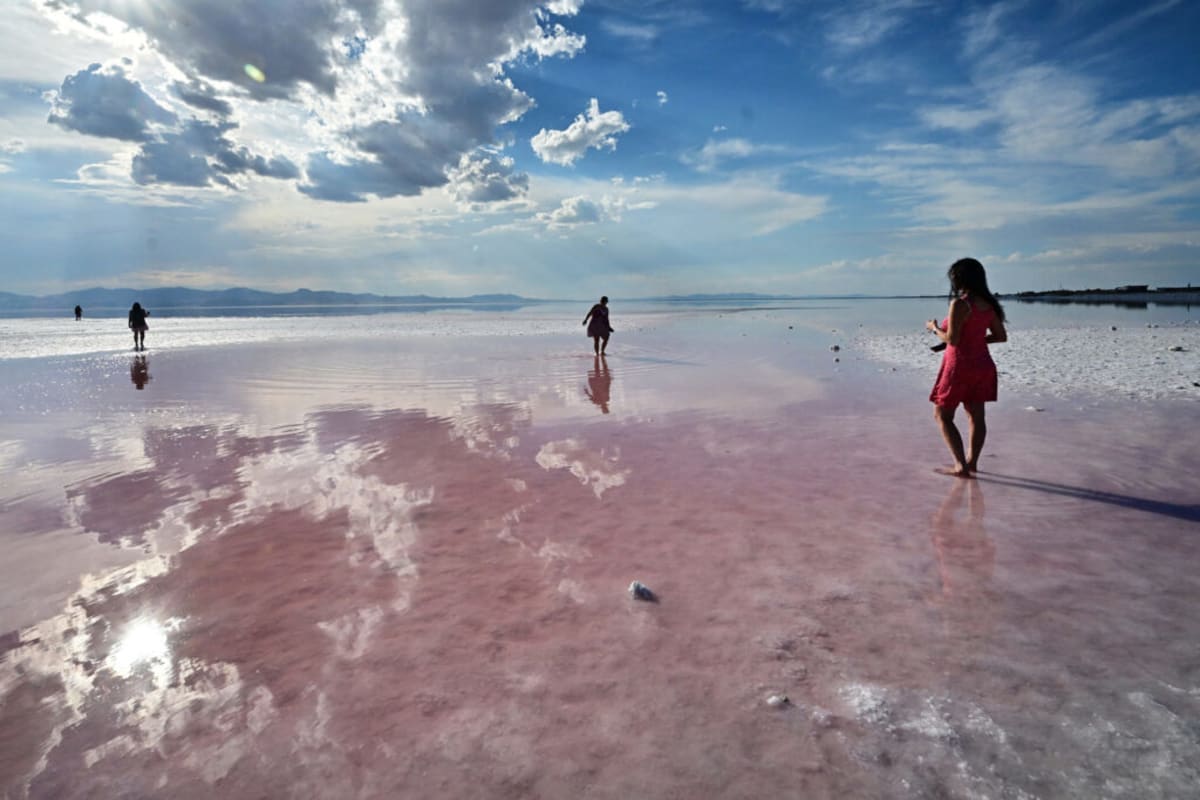
These seemingly barren bodies of water support hundreds of bird species and unique aquatic life found nowhere else on Earth. They've sustained Indigenous communities for thousands of years and protect the air quality of millions of people living nearby.
Now Tracey's debut book "Salt Lakes: An Unnatural History" is shining a spotlight on these forgotten ecosystems and the inspiring efforts to save them. Her journey across the Great Basin, Central Asia, and Latin America reveals both the damage humans have caused and the remarkable solutions taking root.
The pattern repeats across the globe. Settlers arrive, divert the freshwater rivers feeding these enclosed basins, and watch the lakes shrink to dangerous levels. Utah's Great Salt Lake has lost most of its volume to agricultural irrigation, mainly for alfalfa crops.
But here's where the story gets hopeful. Scientists achieved something miraculous at California's Mono Lake in the 1990s, bringing it back from the brink of collapse through careful water management and community action.
That success story is now a blueprint. Researchers studying Wilson's phalarope, a tiny shorebird that depends on these lakes during migration, believe this species could be the key to saving others, including the Great Salt Lake.
The bird's needs are simple but specific. Protect the salt lakes it depends on, and you protect entire ecosystems that benefit millions of people downwind from toxic dust storms.
Political momentum is building in unexpected places. President Trump recently called the Great Salt Lake's decline an "environmental hazard" and pledged to make it "great again," marking rare bipartisan agreement on environmental restoration.
Tracey's research took her from road trips across the American West to a Fulbright fellowship in Kyrgyzstan, where she witnessed similar lake crises. Her personal journey as a queer woman finding home and love intertwines with her environmental reporting.
The book challenges readers to see beauty in places others dismiss as wastelands. "Places that seem ugly or desolate are vital and complex in ways that you don't notice until you give them a chance," Tracey writes.
She learned to find hope amidst dust, bad smells, and record heat, not by ignoring problems but by working toward solutions. Clean air, spectacular views, and crisp mornings are possible again with the right action.
Why This Inspires
The most powerful lesson from Tracey's book isn't about what we've lost. It's about what we can still save.
The Mono Lake rescue proved that severely damaged ecosystems can recover when communities decide to act. Local activists, scientists, and government officials worked together for decades to restore water flows and bring the lake back to health.
That same coalition-building is happening now around the Great Salt Lake. Farmers are testing water-efficient crops, cities are investing in conservation, and Indigenous communities are reclaiming their traditional stewardship roles.
Even the involvement of political figures who rarely champion environmental causes shows how universal the appeal of restoration can be. When the solutions benefit everyone from birds to people breathing the air, strange alliances form.
These salt lakes teach us that damaged places deserve second chances, that overlooked ecosystems often matter most, and that successful restoration is possible when we commit to the work.
The story of salt lakes is still being written, and the ending doesn't have to be tragic.
Based on reporting by Inside Climate News
This story was written by BrightWire based on verified news reports.
Spread the positivity!
Share this good news with someone who needs it