How Recycled Urine Dropped War Deaths From 18% to 1%
When penicillin was scarce in the 1940s, scientists discovered they could extract the life-saving antibiotic from patients' urine and reuse it. This clever recycling method helped drop bacterial death rates from 18% in World War I to less than 1% in World War II.
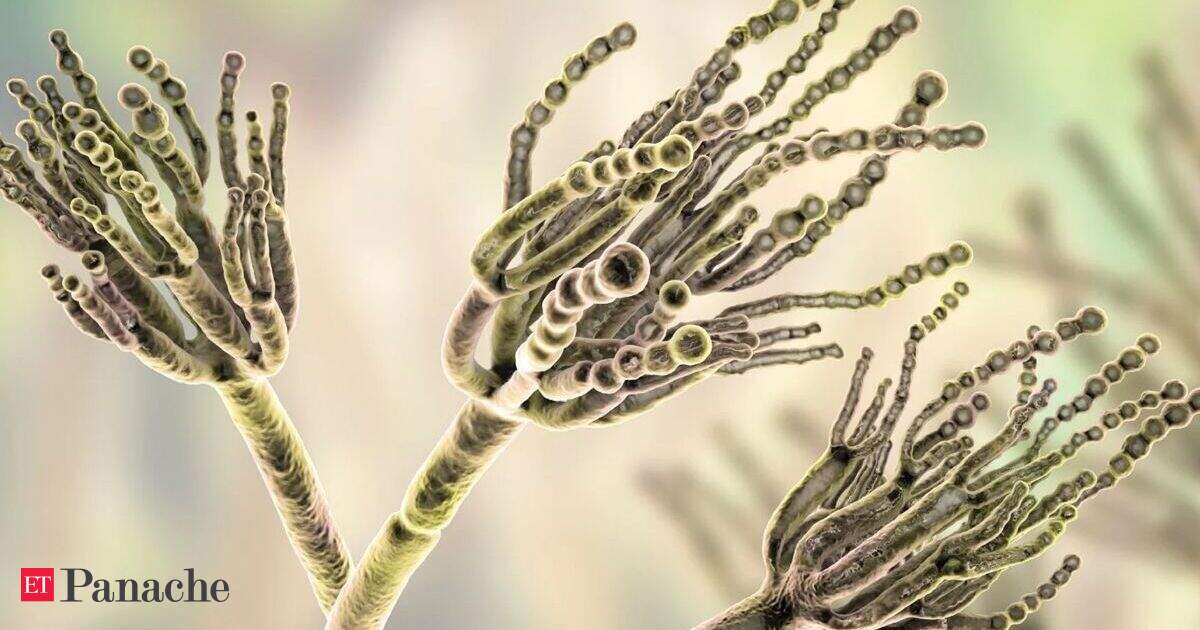
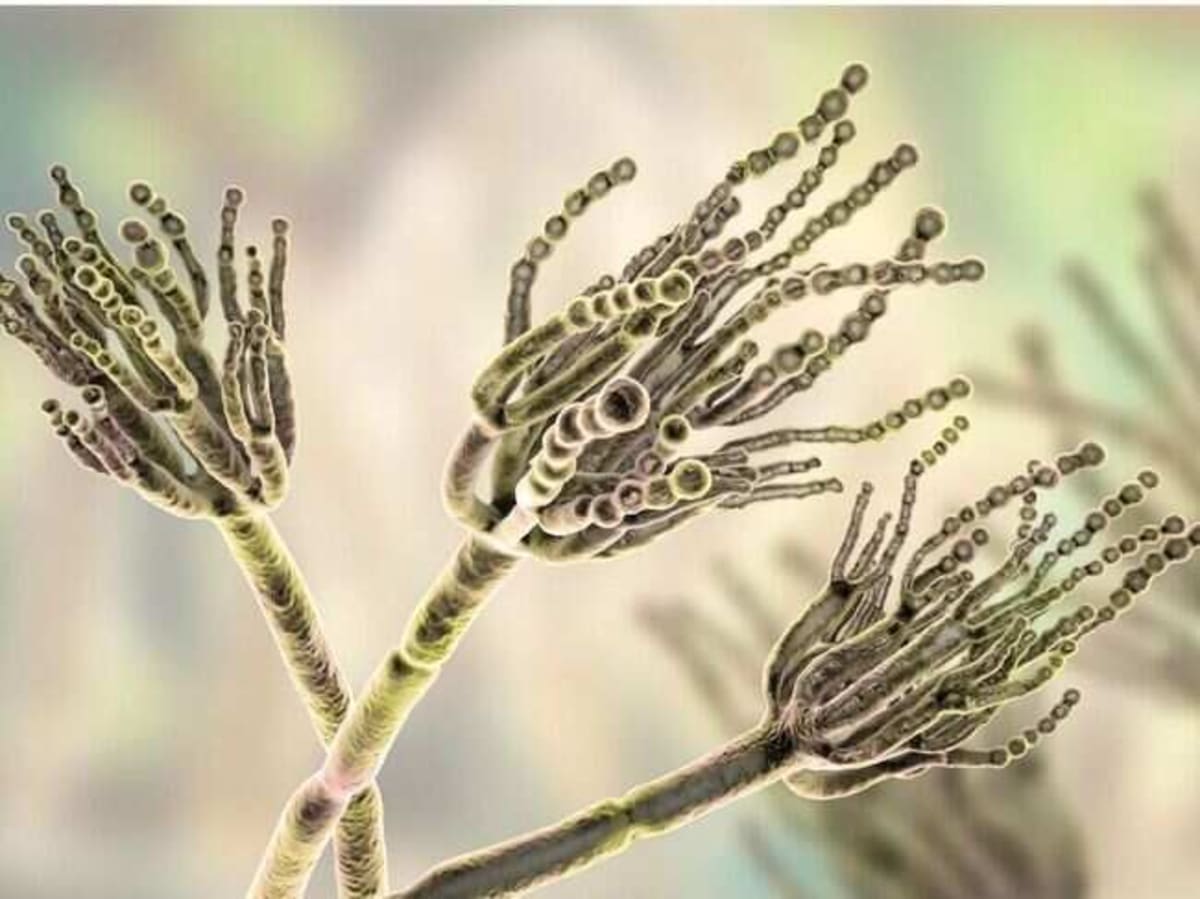
When Alexander Fleming discovered penicillin in 1928, he unlocked a miracle that would save millions of lives. But there was a problem: growing the mold was incredibly difficult, and extracting the antibiotic from it was even harder.
Scientists faced a desperate situation during World War II. Soldiers were dying from bacterial infections, and demand for penicillin far exceeded supply. Then researchers made a surprising discovery that would change everything.
Our kidneys naturally filter out most medications we take, and penicillin was no exception. Between 40 and 99 percent of the antibiotic passed through patients' bodies in fully functional form just four hours after taking it. Scientists realized they were literally flushing away precious medicine.
The solution was as innovative as it was unusual. Researchers began collecting urine from patients receiving penicillin treatment, crystallizing it, and extracting the active antibiotic molecules. After purification, this recycled penicillin treated new patients with bacterial infections.
The impact was staggering. Death rates from bacterial pneumonia and infections plummeted from 18 percent in World War I to less than 1 percent during World War II. Countless soldiers who would have died from infected wounds survived because of this resourceful recycling method.
Early penicillin had a bioavailability of only 30 percent, meaning 70 percent of each dose ended up in urine. This made recycling not just clever but necessary. Every drop counted when production couldn't keep pace with need.
The Bright Side
This story of urine recycling didn't last forever, and that's actually good news. Scientists eventually discovered a different penicillin-producing fungus growing on a cantaloupe. Combined with better culturing techniques and strategic mutations, penicillin production became much easier and more efficient.
Modern penicillin antibiotics like amoxicillin now have roughly 95 percent bioavailability. Patients absorb nearly all the medication they take, and production methods can meet global demand. The days of recycling urine for antibiotics are long behind us.
Fleming's discovery earned him the Nobel Prize in 1945 alongside Ernst Chain and Howard Florey. Experts called it "the single greatest victory ever achieved over disease." But it was the creative thinking of wartime scientists that turned a scarce resource into a weapon against death itself.
Sometimes the best solutions come from the most unexpected places.
More Images
Based on reporting by Google: scientific discovery
This story was written by BrightWire based on verified news reports.
Spread the positivity!
Share this good news with someone who needs it