How Refugees Transformed Bengali Cuisine After 1947
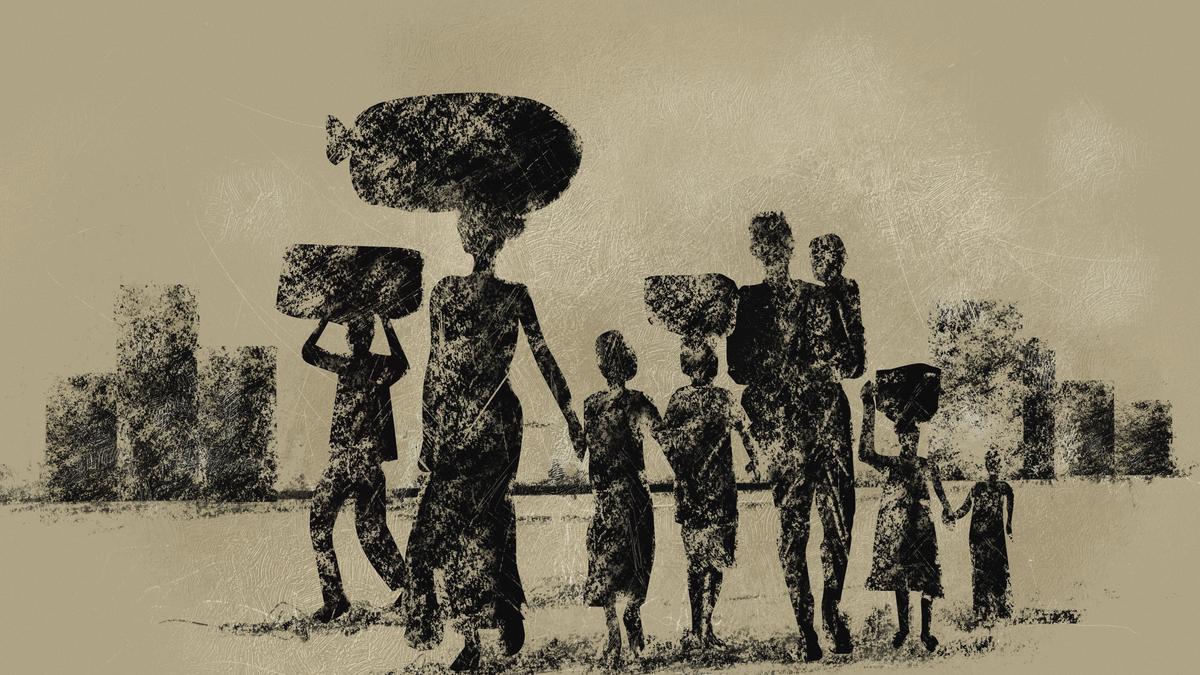
When millions fled during the 1947 Partition, they carried no ingredients or cookware. What survived was something far more powerful: culinary memory that would reshape Bengali food forever.
The story of Bengali food isn't just about rivers and fish. It's about refugees who arrived with nothing but memories and turned survival into a culinary revolution.
When Partition forced millions from East Bengal into West Bengal in 1947, most traveled with empty hands. They couldn't carry family heirlooms or treasured spices. But they brought something authorities couldn't confiscate: generations of cooking knowledge stored in their minds.
"People came with very little. What they carried was memory and a legacy of food," says Amrita Bhattacharya, a food researcher who runs a farm-to-table supper club in Shantiniketan. That intangible inheritance would completely transform Bengali kitchens.
In refugee settlements around Kolkata, cooking became an exercise in making something from nothing. Families had to feed children despite scarce resources and uncertain incomes. What emerged was a philosophy modern food culture now celebrates as zero-waste cooking.
Vegetable peels became elaborate dishes. Spinach stems created one meal while leaves made another. A single pumpkin yielded multiple recipes. Even the water left from making curdled milk was tempered with spices and served as broth to children.
"What we now call zero-waste cooking was often the ingenuity of people trying to feed a family with very little," Amrita explains. "They weren't thinking about sustainability. They were using creativity to survive."
The culinary influence went deeper than just using every scrap. Refugee families brought a cooking style defined by restraint and simplicity. Amrita's grandparents from the Pabna-Rajshahi region rarely fried fish, instead simmering it gently with turmeric, salt, and green chillies in thin broths that let the fish flavor shine.
The Ripple Effect
Some refugees were resettled in the Andaman Islands, where they faced an entirely new challenge. Families accustomed to freshwater fish suddenly had to learn about seafood, identify unfamiliar edible plants, and understand a completely different ecosystem.
In isolated Andaman villages today, the cooking remains closer to 1940s East Bengal than modern West Bengal. Fish and prawns simmer in coconut milk with just a touch of five-spice blend and simple tempering. The tradition survived precisely because these communities remained isolated.
Across West Bengal, East Bengali food traditions gradually merged with local ingredients and habits. Distinct culinary cultures blended, creating flavors that belonged fully to neither side of the border but to something entirely new.
Many dishes now considered quintessentially Bengali actually emerged from this moment of displacement and reinvention. They're records of loss, adaptation, and the quiet determination of families rebuilding lives from scratch.
What started as necessity became heritage, proving that even in the darkest moments, human creativity finds a way to nourish both body and soul.
Based on reporting by The Hindu
This story was written by BrightWire based on verified news reports.
Spread the positivity!
Share this good news with someone who needs it