How Soybeans Built a Symphony Town in Northeast China
A forgotten Chinese railway town once supported two orchestras, powered by a humble crop that dominated global trade. Before Brazil and America exported soybeans worldwide, Northeast China produced 80% of the world's supply.
A derelict movie theater in a dying border town held an astonishing secret: film reels showing not one, but two full orchestras performing in Kaishantun, a place now reduced to barracks for elderly residents.
Writer Wang Hanyang stumbled upon this mystery in 2020 while visiting the town near the North Korea border. Young people had fled years ago, the railway station sat abandoned, and the future looked blank.
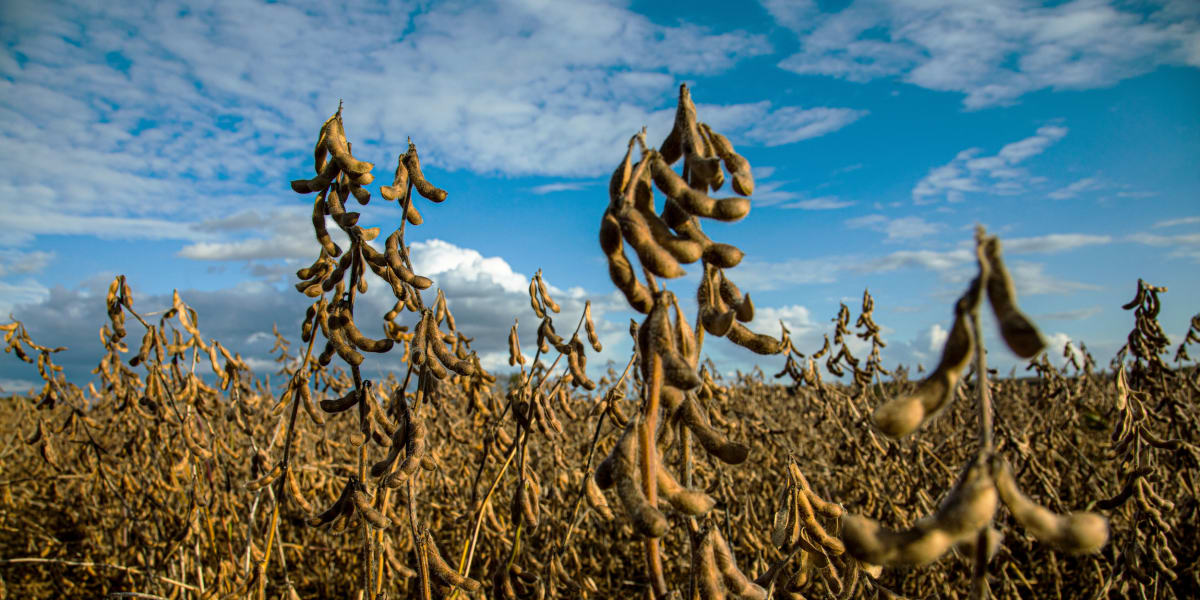
The answer to how such a small town once thrived lies in a crop now making different headlines: soybeans. A century before China became the world's largest importer, it was the dominant producer, and these humble beans built entire communities.
Between 1908 and 1930, Northeast China produced up to 42% of the world's soybeans. By the 1920s, the crop had overtaken tea and silk to become China's top export, earning more than 20% of all export revenue for a then impoverished nation.
Japanese military officers in the 1870s were among the first outsiders to grasp the strategic power of Chinese soybeans. Their intelligence reports described endless caravans of horse-drawn carts moving beans day and night, with merchants stacking them into mountains over six meters high.
The 1904 Russo-Japanese War finally alerted the world. Both armies relied heavily on soybeans for feeding soldiers and horses, while soybean oil lubricated artillery and wagon axles.
Global trade exploded. A 1911 Shanghai customs report called soybeans' rapid rise "one of the most remarkable commercial events of recent times." The U.S. ambassador in Beijing told Washington that demand was "phenomenal in trade annals," drawing attention from New York to London to Hamburg.
Towns like Kaishantun flourished as processing and shipping hubs. Workers earned good wages in oil mills and railway stations. Families could afford tickets to see live orchestras perform.
The Ripple Effect
The soybean boom transformed forgotten frontier towns into cultural centers where working families enjoyed luxuries usually reserved for big cities. The trade didn't just feed the world; it built schools, theaters, and community institutions across Northeast China.
Today's Kaishantun may be quiet, but those restored film reels prove that global trade once brought unexpected gifts to small places. The orchestras played on because humble beans connected a border town to the world.
Based on reporting by Sixth Tone
This story was written by BrightWire based on verified news reports.
Spread the positivity!
Share this good news with someone who needs it


