%2Ffile%2Fdailymaverick%2Fwp-content%2Fuploads%2F2022%2F08%2F0000200378.jpg)
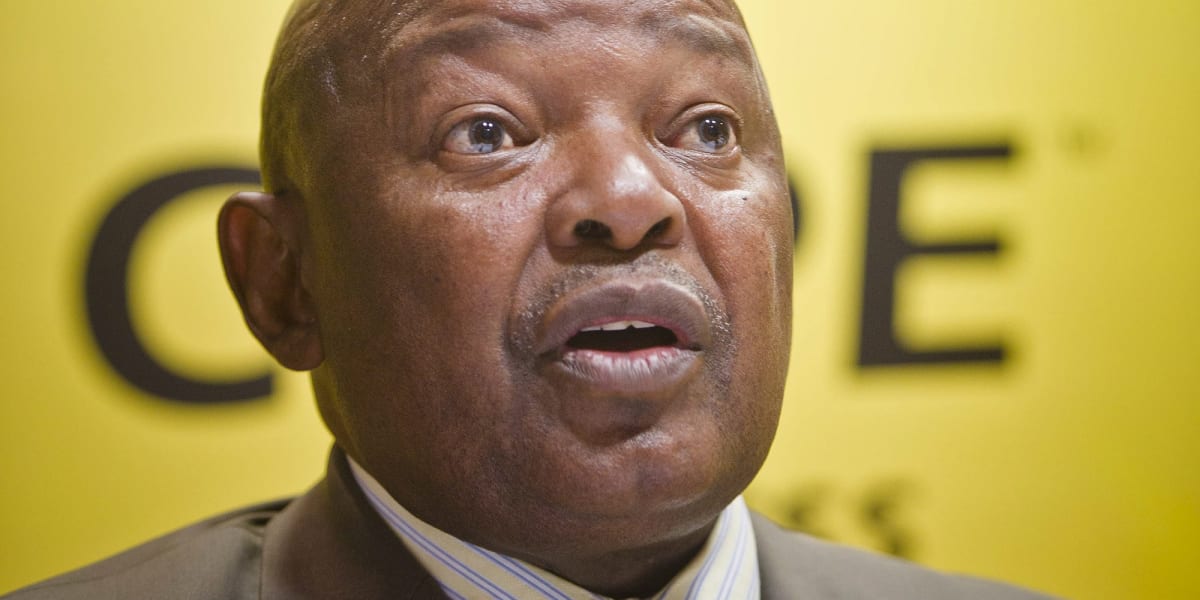
How Terror Lekota Made South African Politics Competitive
When Mosiuoa "Terror" Lekota broke from the ANC in 2008, he didn't just start a new party—he transformed South Africa's entire political landscape. His bold move showed that challenging the ruling party was possible, inspiring a wave of political competition that continues today.
Before 2008, South African politics looked like it would stay stuck in the same pattern forever. The ANC dominated so completely that elections felt predetermined, with most political coverage focused only on internal ANC battles rather than real competition between parties.
Then Mosiuoa Lekota did something revolutionary. After Jacob Zuma took control of the ANC in 2007, Lekota refused to follow along, publicly delivering his "divorce papers" at a press conference in Sandton and announcing he would form a new party called Cope.
At the time, leaving the ANC seemed like political suicide. The only previous example was Bantu Holomisa's UDM, which had limited success and served as a warning rather than an inspiration.
But Lekota pressed forward anyway. In the 2009 elections, Cope won over 1.3 million votes, preventing Zuma's ANC from securing a two-thirds majority that would have given them power to change the Constitution unilaterally.
That achievement looks even more important now, knowing what we've learned about Zuma's personal agenda during his presidency. Lekota's challenge may have saved South Africa from constitutional changes that would have harmed democracy itself.
The Ripple Effect
Lekota's success proved that South Africans would vote for parties beyond the ANC. That single example changed everything about how politicians viewed their options.
Julius Malema might never have formed the EFF without seeing Cope's initial breakthrough. The proliferation of political parties that followed created the competitive landscape South Africans experience today, where multiple parties contest for the same voters.
Even more importantly, Cope changed what politics was about. Before Lekota's party, South African politics revolved around racial and ethnic identities, with parties defined by who voted for them rather than what they stood for.
Cope attracted former ANC voters who opposed Zuma on principle, not identity. That shift from identity to ideology and policy created space for parties like ActionSA, which Lekota later celebrated for bringing people together across racial lines around shared ideals.
In 2021, while waiting for local election results, Lekota told this publication that ActionSA's performance represented South Africans finally transcending racial divisions to rally around common values. He recognized in Herman Mashaba's party the same breakthrough he had pioneered years earlier.
While Lekota will be remembered for his anti-apartheid activism with the United Democratic Front, his contribution to making South African democracy competitive and policy-focused deserves equal recognition. The man who earned the nickname "Terror" on the soccer field proved just as bold in transforming his country's political future.
More Images

%2Ffile%2Fdailymaverick%2Fwp-content%2Fuploads%2F2025%2F10%2Flabel-analysis-2.jpg)
%2Ffile%2Fattachments%2Forphans%2F000074935_971657.jpg)
Based on reporting by Daily Maverick
This story was written by BrightWire based on verified news reports.
Spread the positivity!
Share this good news with someone who needs it