How Toy Story Changed Kids' Movies 30 Years Ago
Thirty years ago, a struggling tech company named Pixar gambled everything on a buddy comedy about toys—and changed children's cinema forever. The first fully computer-generated film proved kids deserved thoughtful stories without princesses or musical numbers.
When Toy Story hit theaters in November 1995, nobody expected it would revolutionize how we make movies for children. The film earned $362 million and showed Hollywood that animation could tell mature, meaningful stories.
Before Toy Story, Pixar was losing money despite winning awards. The small computer animation company had never made a feature film. Disney dominated children's movies with hand-drawn princesses and big musical numbers like Beauty and the Beast.
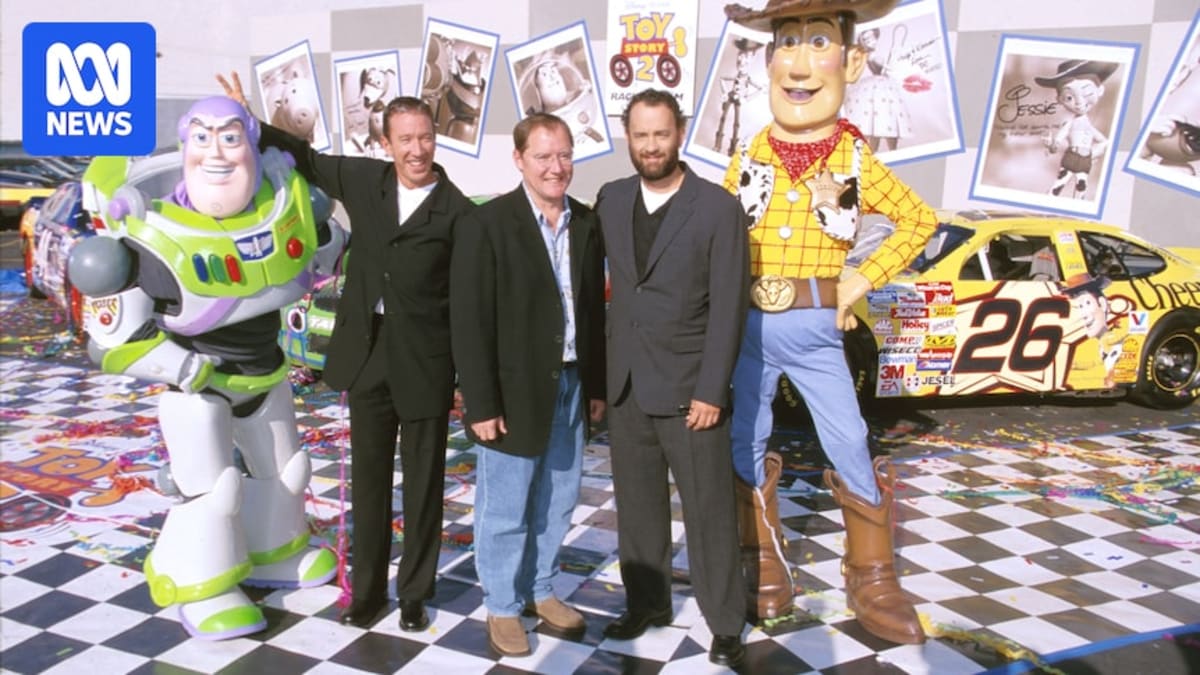
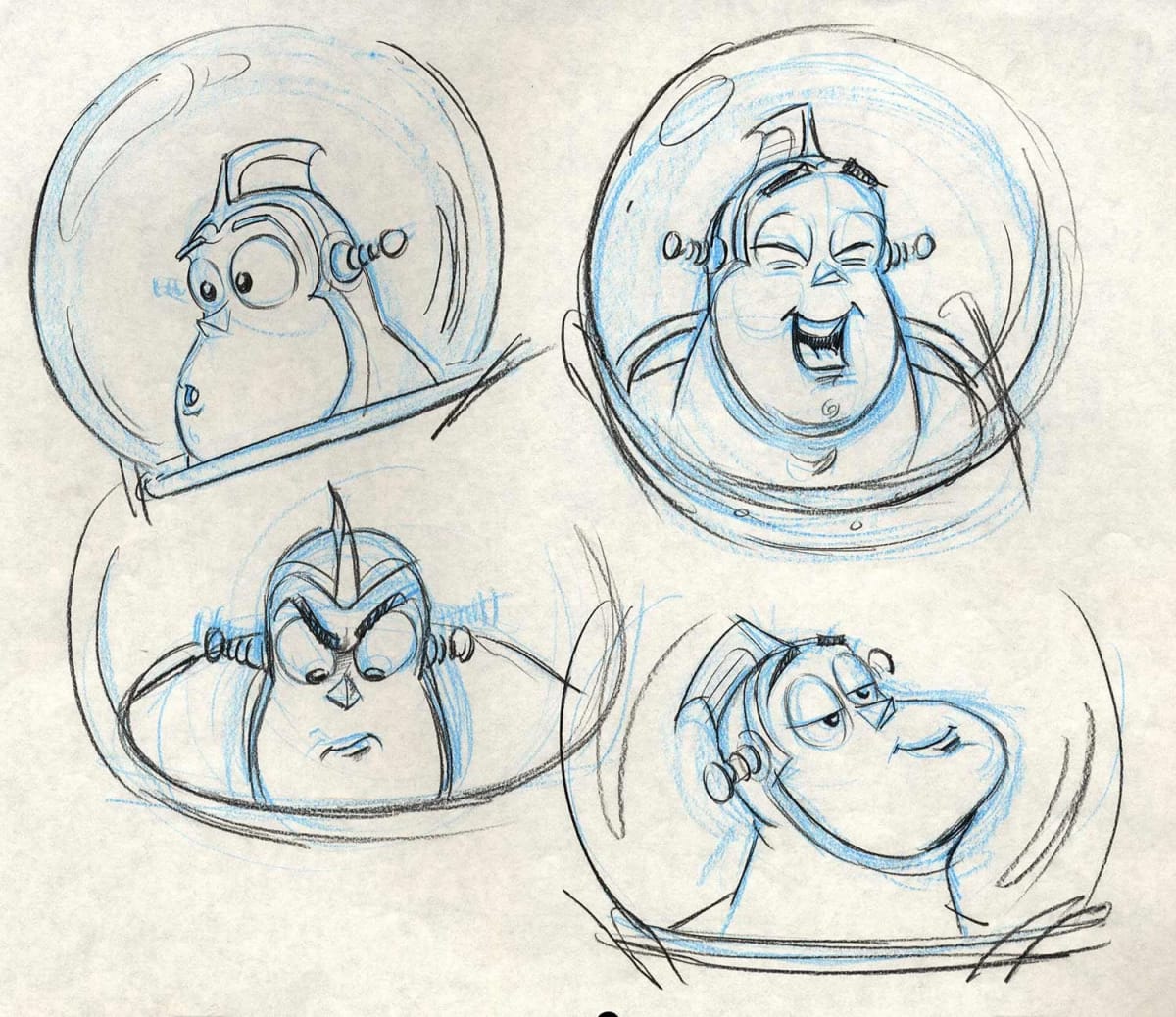
Everything changed when Disney signed a $26 million deal with Pixar in 1991 for three computer-generated films. Director John Lasseter, who had won an Oscar for his short film Tin Toy, spent four years developing what would become Toy Story. The project nearly died in 1993 when Disney executives hated the first screening, calling Woody too mean and the story too serious.
Lasseter and his team spent three months rewriting the entire script. They softened Woody's character and added scenes that worked for both kids and adults. The gamble paid off bigger than anyone imagined.
Critics and audiences fell in love with the groundbreaking computer animation and storytelling that respected young viewers' intelligence. Toy Story earned three Oscar nominations in 1996, including Best Original Screenplay—the first animated film ever nominated in that category. Lasseter received a special Academy Award for making the first feature-length computer-animated film possible.
The Ripple Effect
Toy Story didn't just launch a billion-dollar franchise. It proved animation could compete with live-action films as serious art. The success freed Pixar to create a golden run of innovative films including Finding Nemo, The Incredibles, Wall-E, and Up—each pushing storytelling boundaries while making audiences laugh and cry.
The film's approach to children's entertainment changed industry standards. Studios realized kids wanted complex characters facing real emotions, not just simple fairy tales. Today's animated films tackle themes like grief, identity, and growing up because Toy Story showed that respecting your audience's intelligence pays off.
Toy Story 2 nearly disappeared when an employee accidentally deleted 90 percent of the work in 1998. Technical director Galyn Susman saved the film by presenting a backup copy from her home computer where she'd been working while caring for her newborn. That sequel earned over $500 million, proving the first film wasn't a fluke.
As Toy Story 5 arrives in theaters this year taking on technology themes, the franchise continues what it started three decades ago: treating kids like they deserve great cinema.
More Images


Based on reporting by ABC Australia
This story was written by BrightWire based on verified news reports.
Spread the positivity!
Share this good news with someone who needs it