How Vaccines Protect People Who Never Got the Shot
When babies get vaccinated, grandparents get healthier too. Scientists are discovering surprising ways vaccines create benefits that ripple far beyond the person getting the shot.
When American babies started getting the pneumococcal vaccine in 2000, something unexpected happened. Within just a few years, rates of pneumococcal disease dropped by nearly 80% in children, which was the goal all along.
But here's the surprising part: seniors who never got the vaccine also saw their infection rates plummet. Nobody vaccinated those grandparents, but the children around them stopped carrying the bacteria that causes pneumonia, bloodstream infections, and meningitis.
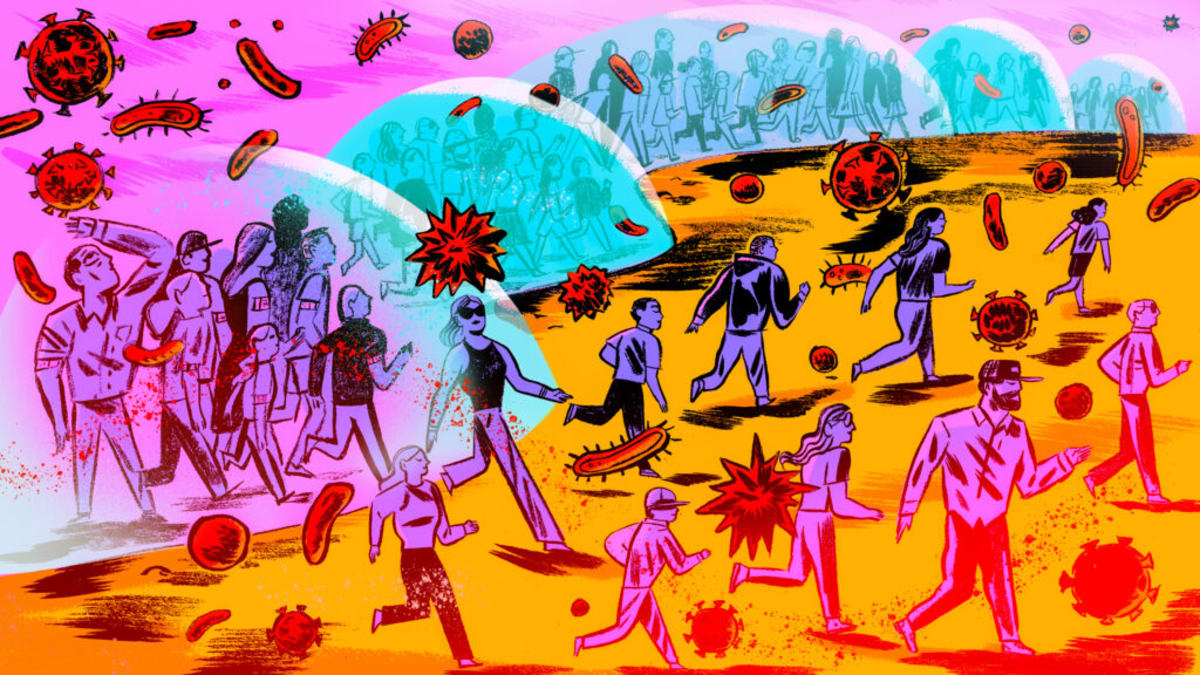
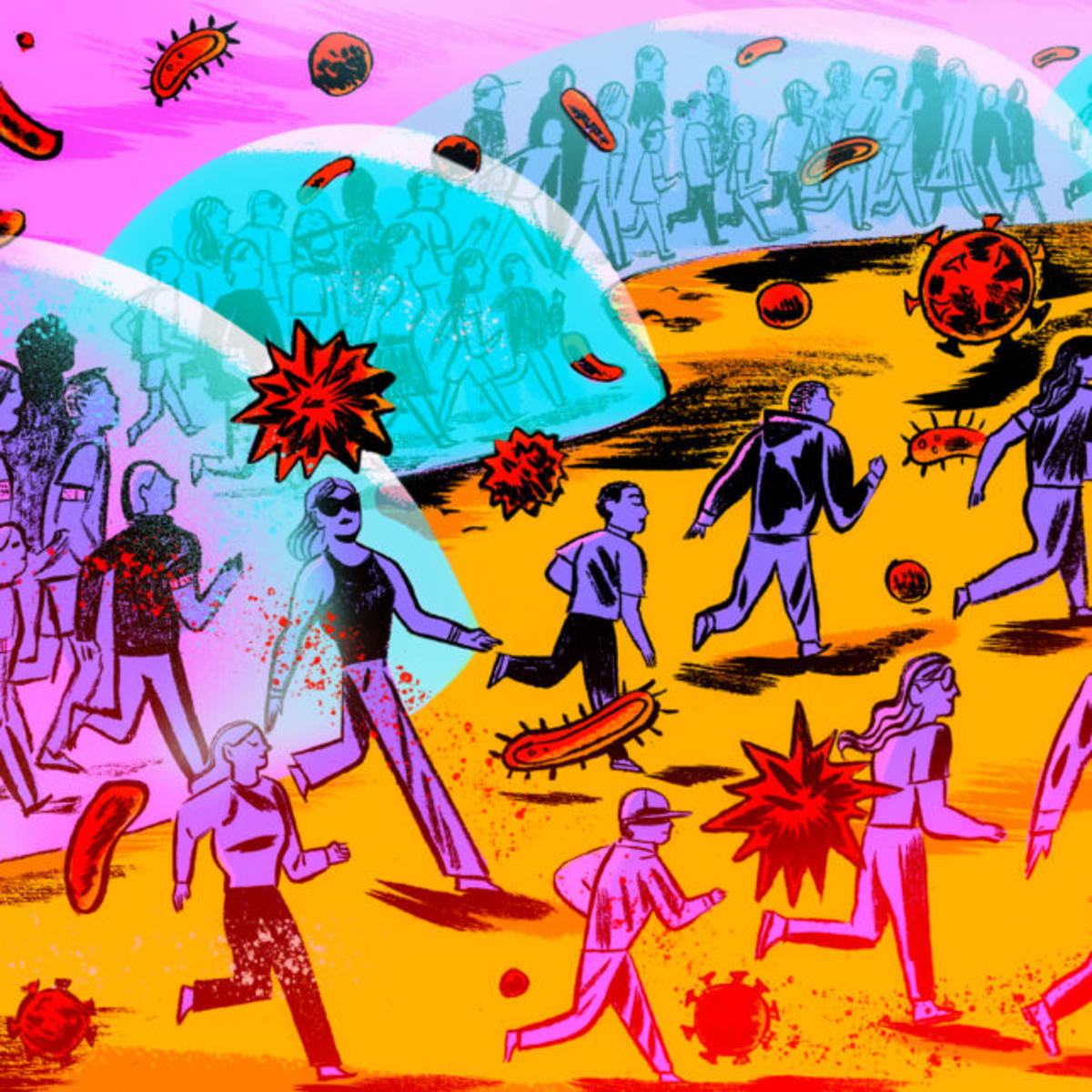
This knock-on effect is one of several hidden benefits scientists are celebrating as they work to remind Americans why vaccines matter. The phenomenon happens because some vaccines don't just protect the person who gets the shot. They protect entire communities by stopping diseases from spreading in the first place.
The HPV vaccine offers another powerful example. The shots have driven down rates of multiple types of cancers in both women and men, even in countries where only girls receive the vaccine. That's because vaccinating one group reduces how much the virus circulates overall.
Then there's rubella, once known as German measles. The disease was unpleasant for kids but rarely caused lasting harm. The real danger came when pregnant women caught it, especially in the first trimester.
In the last major U.S. rubella outbreak from 1964 to 1965, about 20,000 babies were born with congenital rubella syndrome. Many ended up deaf, blind, or with developmental delays. Others never survived pregnancy at all.
After the rubella vaccine arrived in 1969, those tragic outcomes became rare. Between 2005 and 2018, just 15 American children were born with congenital rubella. By vaccinating kids today, we're protecting the babies of tomorrow.
Bruce Gellin, who spent years leading the National Vaccine Program Office, puts it simply: some vaccines are unique because they protect both the person who receives them and the community around them.
The Ripple Effect
These community benefits happen because certain bacteria and viruses spread through carriers, healthy people who harbor germs in their airways without getting sick. When fewer people carry these microbes, fewer circulate in the air we all breathe.
It's why vaccinating children against pneumococcal bacteria meant safer air for seniors at the grocery store, in churches, and at family gatherings. The protection spread invisibly through communities, reaching people who couldn't get vaccinated themselves.
The measles vaccine works the same way, which makes recent outbreaks particularly concerning. Rising measles cases signal a growing pool of people susceptible to rubella too. Measles returns first because it spreads more easily, but other diseases may follow if vaccination rates keep falling.
Andrew Pavia, a pediatric infectious disease professor at the University of Utah, warns we're not that far from seeing more vaccine-preventable diseases return. But the flip side of that warning is also true: maintaining vaccination rates keeps protecting everyone, including those who can't get shots themselves.
These wider benefits represent something powerful in how we care for each other, proof that individual health choices create invisible shields around entire communities.
More Images
Based on reporting by STAT News
This story was written by BrightWire based on verified news reports.
Spread the positivity!
Share this good news with someone who needs it