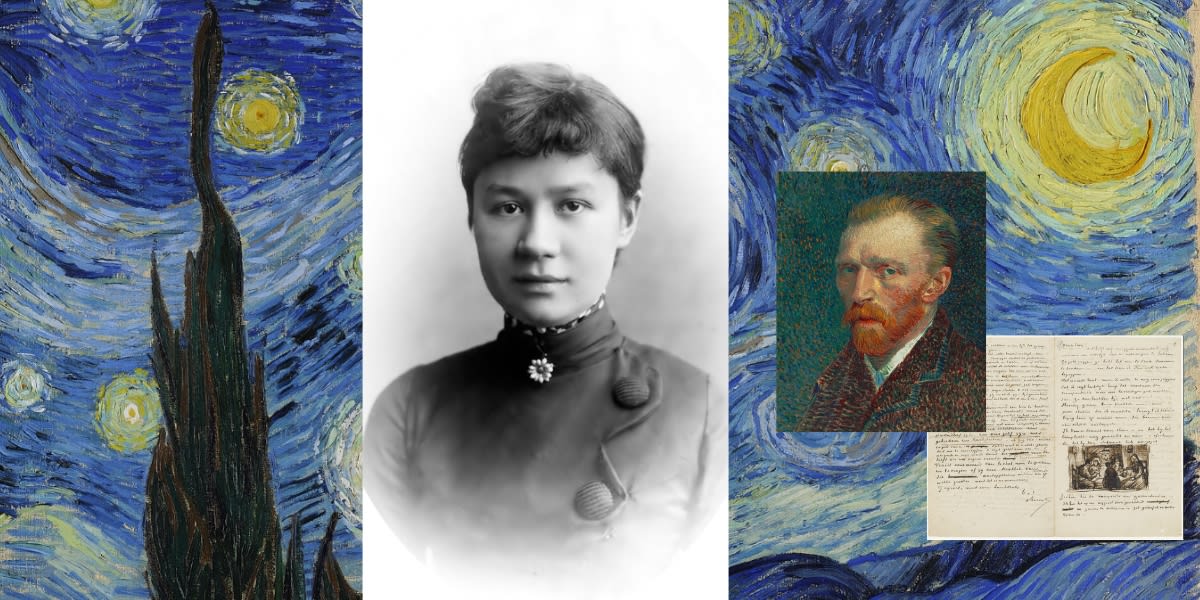
How Van Gogh's Sister-in-Law Made Him a Legend
Vincent van Gogh died unknown and ridiculed, leaving behind hundreds of unsold paintings. His sister-in-law Johanna spent 20 years transforming him into the tortured genius we celebrate today.
When Vincent van Gogh died in 1890, the art world saw him as a joke. His thick paint, wild colors, and expressive style seemed bizarre and childish to critics accustomed to traditional realism.
Six months after Vincent's death, his brother Theo passed away too. Theo had been an art dealer who dreamed of making Vincent famous, but that dream died with him—or so it seemed.
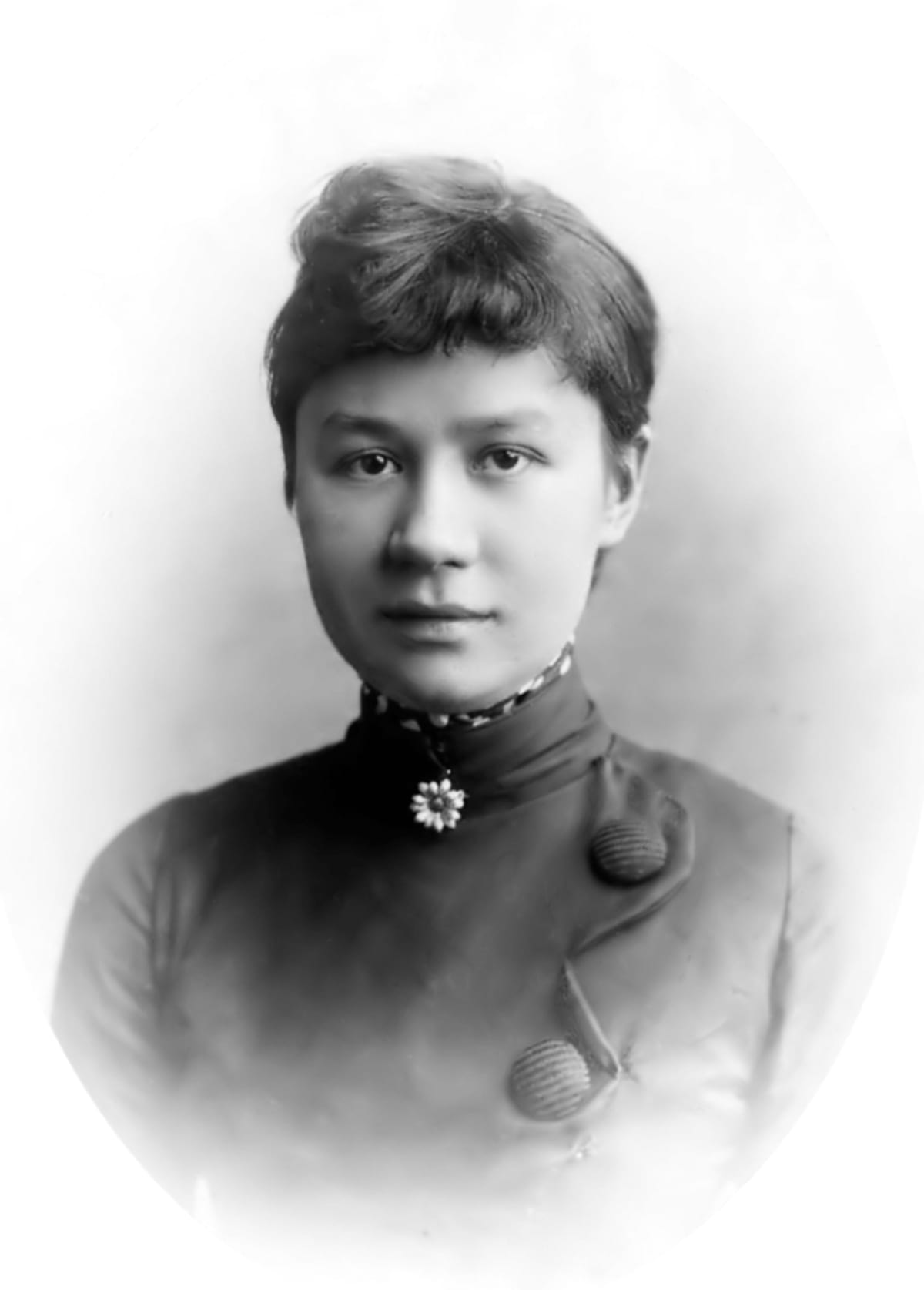
Left behind was Johanna Bonger, Theo's widow, alone with a baby and hundreds of worthless paintings. She could have sold them off cheaply or stored them away. Instead, she decided to finish what her husband started.
For two decades, Johanna faced constant ridicule from the art establishment. She reached out to galleries, organized exhibitions, and carefully selected which collectors could access certain pieces. She treated Vincent's work like a curator building a movement, not a widow selling her late brother-in-law's belongings.
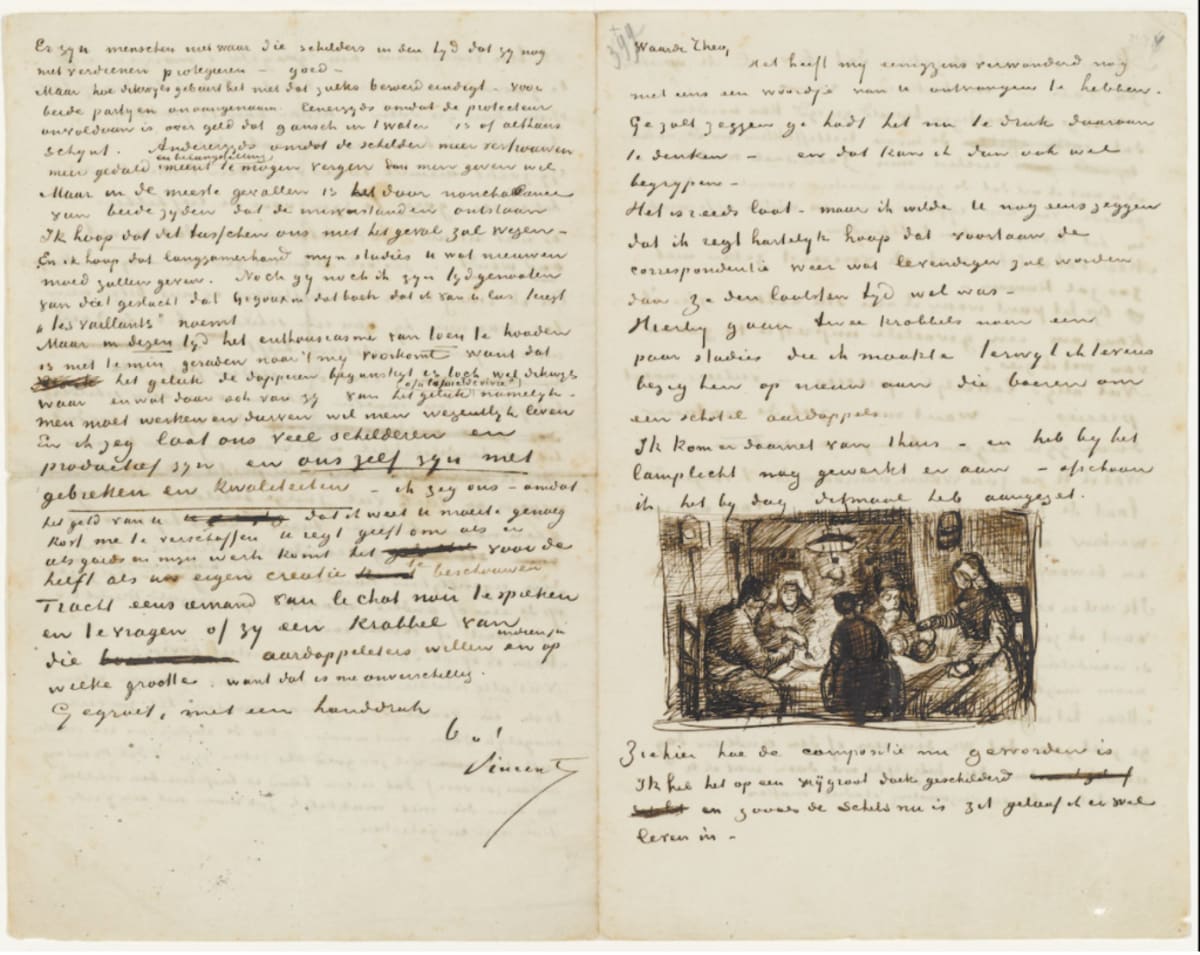
But Johanna's masterstroke revealed her as a marketing genius ahead of her time. She realized Vincent's letters to Theo—filled with mental health struggles, philosophical reflections, and passionate descriptions of color and light—could transform how people saw his paintings.
She published the letters in 1914 and later translated them into English for American audiences. Suddenly, Vincent wasn't just an artist with strange techniques. He was a tragic hero, a suffering visionary who poured his soul onto canvas.
Johanna packaged the letters and paintings together as one story. The art world finally understood what they were looking at, and Vincent's reputation exploded globally.
Why This Inspires
Johanna's story reminds us that no one succeeds alone. Behind Vincent's genius stood a woman who refused to let his vision die, even when the entire art establishment mocked her efforts.
Her work also shows that personal branding isn't some modern invention. More than a century ago, Johanna understood that context and narrative could change everything about how we perceive creativity.
Most importantly, her sealed diaries—only recently opened—reveal what historians keep finding: behind many celebrated male "geniuses" stands a woman whose contributions were hidden for generations.
Johanna van Gogh-Bonger didn't just preserve art; she taught us that belief, persistence, and smart storytelling can change the world's mind about what matters.
More Images

Based on reporting by Upworthy
This story was written by BrightWire based on verified news reports.
Spread the positivity!
Share this good news with someone who needs it
%2Ffile%2Fattachments%2Forphans%2FWhatsAppImage2026-08-06at131034_348319.jpeg)