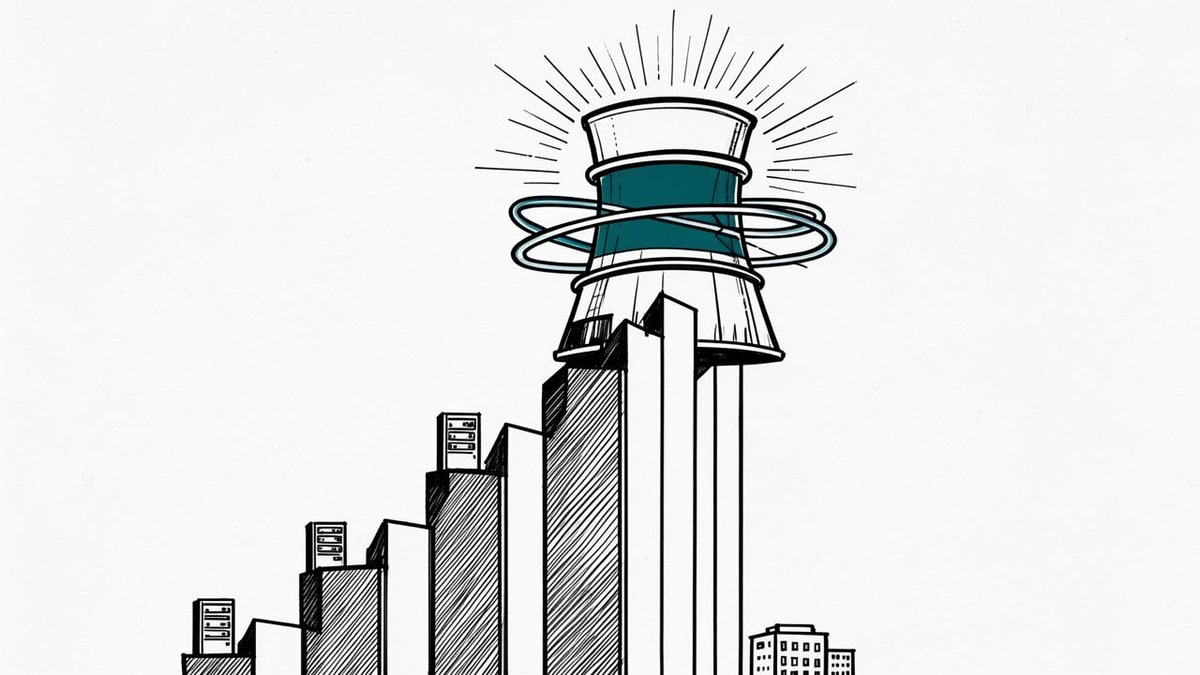
HSBC Launches $4B Credit Line for Clean Energy Companies
A major global bank just launched a $4 billion facility to help Chinese clean energy companies expand internationally, with Vietnam positioned as a top destination. The move could accelerate the spread of affordable solar, battery, and electric vehicle technology across Southeast Asia.
HSBC has launched a $4 billion credit facility to help China's clean energy companies scale their innovations globally, with Vietnam emerging as a prime beneficiary.
The Sustainability and Transition Credit Facility, announced May 25, will finance Chinese businesses working in clean power, electric vehicle production, and renewable energy technology. These companies represent the cutting edge of the global energy transition, with China now accounting for 47 percent of worldwide cleantech exports.
Vietnam is positioned to gain significantly from this investment flow. The country already sources 28 percent of its power from renewables, and electric vehicles now represent 40 percent of new car sales, one of the highest adoption rates globally.
The timing couldn't be better. New wind and solar projects commissioned in 2024 proved cheaper than fossil fuel alternatives in 91 percent of cases worldwide, making clean energy not just environmentally smart but economically compelling.
Vietnam has committed $134 billion to power generation and transmission projects by 2030, creating enormous demand for the exact technologies Chinese companies excel at producing. Global electric vehicle sales are expected to hit 26 million this year, while data center electricity use is projected to nearly double by 2030.
The facility streamlines credit approvals and develops tailored financial solutions for eligible companies. HSBC will extend credit limits to businesses meeting sustainability criteria, helping them navigate international expansion.
The Ripple Effect
This initiative represents more than just money changing hands. It's part of a broader regional commitment to clean energy that ASEAN leaders reinforced at their summit earlier this month, where they pledged to accelerate development of an integrated power grid.
The ASEAN-China Free Trade Area 3.0 Upgrade Protocol, signed last October, now includes cooperation on green economy and supply chain connectivity for the first time. This creates pathways for technologies and financing to flow more freely across borders.
Tim Evans, CEO of HSBC Vietnam, noted that the country's rapid EV adoption and ambitious power targets make it "a compelling destination for Chinese clean energy companies looking to expand internationally." Vietnam's openness to sophisticated foreign investment adds another layer of appeal.
For everyday Vietnamese citizens, this could mean faster access to affordable electric vehicles, lower electricity costs from renewable sources, and cleaner air in cities. As Chinese manufacturers scale production and expand regionally, economies of scale typically drive prices down further.
The facility also supports innovation in emerging areas like battery storage and smart grid technology, both critical for managing renewable energy sources that depend on weather conditions.
A $4 billion commitment from a major global bank signals serious confidence that the clean energy transition isn't just environmentally necessary but financially sound, creating a template other financial institutions may follow.
More Images


Based on reporting by Google: clean energy investment
This story was written by BrightWire based on verified news reports.
Spread the positivity!
Share this good news with someone who needs it